

Opella Healthcare
Guttalax 7.5mg/ml oral drops 15ml
Guttalax 7.5mg/ml oral drops 15ml

Couldn't load pickup availability

NET WEIGHT OF THE PRODUCT
NET WEIGHT OF THE PRODUCT
15ml
EAN
EAN
020949020
MINSAN
MINSAN
020949020

In compliance with article 118 "authorization of advertising to the public" of the legislative decree of 24 April 2006, number 219
INDICATIONS
Short-term treatment of occasional constipation.
CONTRAINDICATIONS
Guttalax is contraindicated in patients with: • Hypersensitivity to the active substance and to any excipients, listed in paragraph 6.1; • Paralytic ileus or intestinal or biliary tract obstruction or stenosis; • Acute severe painful and/or febrile abdominal conditions (such as appendicitis) associated with nausea and vomiting; • Severe state of dehydration; • Rare hereditary conditions of incompatibility with one of the excipients (see section 4.4). • Nausea or vomiting; • Acute inflammation of the gastrointestinal tract; • Rectal bleeding of unknown origin; • Gallstones; • Liver failure; • Pregnancy and breastfeeding (see section 4.6). Do not administer to children under 3 years of age (see section 4.4).
WARNINGS AND PRECAUTIONS FOR USE
Warnings Like all laxatives, Guttalax should not be taken continuously every day or for long periods of time without investigating the cause of constipation. Prolonged and excessive use can lead to diarrhea, electrolyte imbalance and hypokalemia. Cases of dizziness and/or syncope have been reported in patients taking Guttalax. The data available on these cases suggest that the events could be related to syncope from defecation (or syncope attributable to the effort of evacuation), or to a vasovagal response to abdominal pain related to constipation, and not necessarily to the intake of sodium picosulfate itself. The abuse of laxatives (frequent or prolonged use or with excessive doses) can cause persistent diarrhea with consequent loss of water, mineral salts (especially potassium) and other essential nutritional factors. In more severe cases, the onset of dehydration or hypokalemia is possible, which can cause cardiac or neuromuscular dysfunction, especially in case of simultaneous treatment with cardiac glycosides, diuretics or corticosteroids. The abuse of laxatives, especially contact laxatives (stimulant laxatives), can cause dependence (and, therefore, possible need to progressively increase the dosage), chronic constipation and loss of normal intestinal functions (intestinal atony). Precautions for use In children aged between 3 and 12 years the medicine can only be used after consulting the doctor. The treatment of chronic or recurrent constipation always requires the intervention of a doctor for diagnosis, prescription of drugs and monitoring during the course of therapy. Consult your doctor when the need for the laxative derives from a sudden change in previous intestinal habits (frequency and characteristics of evacuations) that lasts for more than two weeks or when the use of the laxative fails to produce effects. It is also advisable for elderly people or those in poor health to consult their doctor before using the medicine. This medicinal product contains 450 mg of sorbitol in 1 ml (15 drops), equivalent to 600 mg of sorbitol in the maximum recommended daily dose of 1.33 ml (20 drops) in the treatment of an adult patient. Sorbitol is a source of fructose. Patients with hereditary fructose intolerance (HFI), a rare genetic disease, should not be given this medicine. This medicinal product contains less than 1 mmol sodium (23 mg) in 20 drops, the maximum recommended daily dose for an adult, i.e. it is essentially “sodium-free”.
INTERACTIONS
Laxatives can reduce the residence time in the intestine, and therefore the absorption, of other drugs administered simultaneously orally. Therefore, avoid ingesting laxatives and other medicines at the same time: after taking a medicine, leave an interval of at least 2 hours before taking the laxative. Milk or antacids can change the effect of the medicine; leave an interval of at least one hour before taking the laxative. Continued use of Guttalax may increase patients' response to oral anticoagulants and change glucose tolerance. The concomitant use of diuretics or adrenocorticosteroids and excessive doses of Guttalax may lead to an increased risk of electrolyte imbalance. This imbalance, in turn, can lead to increased sensitivity to cardiac glycosides. Concomitant administration of antibiotics may reduce the laxative effect of Guttalax.
SIDE EFFECTS
Like all medicines, Guttalax can cause side effects, although not everybody gets them. Adverse reactions are listed below by system organ class and frequency, according to the following categories: Very common ≥ 1/10 Common ≥ 1/100, < 1/10 Uncommon ≥ 1/1,000, < 1/100 Rare ≥ 1/10,000, < 1/1,000 Very rare < 1/10,000 Not known frequency cannot be defined on the basis of available data. Immune system disorders. Not known*: hypersensitivity. Nervous system disorders. Uncommon: dizziness; Not known*: syncope. The phenomena of dizziness and syncope that occur after taking sodium picosulphate appear to be attributable to a vasovagal response (resulting, for example, from abdominal pain or the evacuation of feces). Gastrointestinal disorders. Very common: diarrhea; Common: abdominal cramps, abdominal pain and abdominal discomfort; Uncommon: vomiting, nausea. Occasionally: isolated cramping pain or abdominal colic, more frequent in cases of severe constipation. Pathologies of the skin and subcutaneous tissue. Not known*: skin reactions such as angioedema, rash on taking the medicine, rash, itching. *These adverse reactions were observed in post-marketing experience. At 95% probability, the frequency category is not greater than uncommon, but could be lower. A precise estimate of the frequency is not possible since these adverse reactions did not occur in 1020 patients in clinical trials. Reporting of side effects If you get any side effects, including any not listed in this leaflet, contact your doctor or pharmacist. Undesirable effects can also be reported directly via the national reporting system at https://www.aifa.gov.it/content/segnalazioni-reazioni-avverse. Reporting side effects helps provide more information on the safety of this medicine.
OUR PRODUCTS FOR THIS SEASON
-
Curial βeta Dry eye supplement 30 capsules Dr.Tili
Vendor:TilpharmaRegular price €22,50Regular priceUnit price per€22,50Sale price €22,50 -
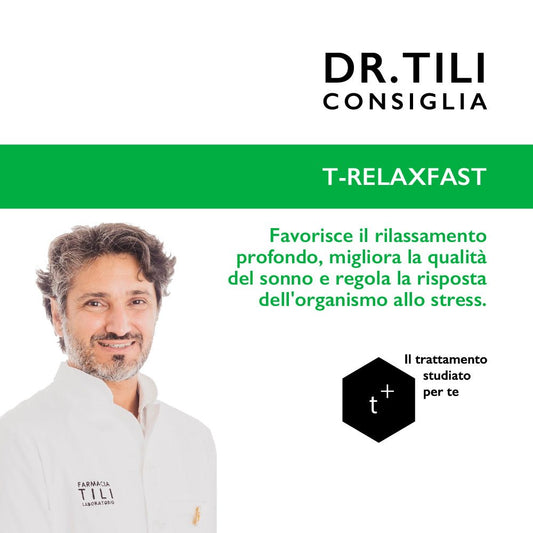
T - Relaxfast Sleep Supplement 60 Capsules Dr.Tili
Vendor:TilpharmaRegular price €24,50Regular priceUnit price per€24,50Sale price €24,50 -
Face Serum C5 Vitamin C 30ml Dr.Tili Skinlab
Vendor:TilabRegular price €62,50Regular priceUnit price per€62,50Sale price €62,50 -
Dr.Tili Skinlab E15 Vitamin E Face Serum 30ml
Vendor:TilabRegular price €32,50Regular priceUnit price per€32,50Sale price €32,50 -
Vit+ Face Vitamin Cream 50ml Dr.Tili Skinlab
Vendor:TilabRegular price €34,00Regular priceUnit price per€34,00Sale price €34,00 -
Anti-aging Facial Treatment Hyaluronic Acid IAL B3 30ml Dr.Tili Skinlab
Vendor:TilabRegular price €46,00Regular priceUnit price per€46,00Sale price €46,00 -
Body Milk Hydra Milk 200Ml. Dr.Tili Skinlab
Vendor:TilabRegular price €16,90Regular priceUnit price per€16,90Sale price €16,90 -
Facial Cleansing Milk 150ml Dr.Tili Skinlab
Vendor:TilabRegular price €18,90Regular priceUnit price per€18,90Sale price €18,90 -
Soothing Facial Toner 125ml Dr.Tili Skinlab
Vendor:TilabRegular price €14,50Regular priceUnit price per€14,50Sale price €14,50 -
Soothing Face Cream 50ml Dr.Tili Skinlab
Vendor:TilabRegular price €19,50Regular priceUnit price per€19,50Sale price €19,50
















-

ASSISTANCE - TELEPHONE ORDERS
-

SHIPPING
Shipping to Italy 24/48H
Delivery also on Saturday and Sunday
Free over €49.90
Shipping to Europe 24/72H
Free over €80 -

SAFETY
The security of your data is important to us!
We strictly comply with the European GDPR regarding
Privacy and processing of personal data
The payments you make on our site are 100% safe and guaranteed -

RETURNS
Fast returns via DIY portal and 14 days to change your mind.
Immediate and free replacements for incorrect or non-compliant products delivered.


