

Reckitt Benckiser
Gaviscon Heartburn and Indigestion 24 Sachets
Gaviscon Heartburn and Indigestion 24 Sachets
Couldn't load pickup availability

NET WEIGHT OF THE PRODUCT
NET WEIGHT OF THE PRODUCT
24ct
EAN
EAN
041545031
MINSAN
MINSAN
041545031

In compliance with article 118 "authorization of advertising to the public" of the legislative decree of 24 April 2006, number 219
INDICATIONS
Treatment of acid-related symptoms of gastro-oesophageal reflux, such as acid regurgitation, heartburn and indigestion, for example after meals or during pregnancy.
CONTRAINDICATIONS
This medicinal product is contraindicated in patients with known or suspected hypersensitivity to the active substances or to any of the excipients listed in section 6.1.
WARNINGS AND PRECAUTIONS FOR USE
This medicinal product contains 127.88 mg sodium per 10ml/ 1 sachet, equivalent to 6.39% of the WHO recommended maximum daily sodium intake. The maximum daily dose of this medicine is equivalent to 51.15% of the maximum daily sodium intake recommended by the WHO. This medicine is therefore considered to be high in sodium. This must be taken into account in cases where a particularly low-salt diet is recommended, for example in some cases of congestive heart failure and renal impairment. Each 10 ml dose (1 sachet) contains 130 mg (3.25 mmol) of calcium. Caution should be exercised when treating patients with hypercalcemia, nephrocalcinosis and recurrent calcium-containing renal stones. If symptoms do not improve after seven days, the clinical picture should be re-evaluated. Contains methyl parahydroxybenzoate (E218) and propyl parahydroxybenzoate (E216), which may cause allergic reactions (possibly delayed). Prolonged use should be avoided. As with other antacid medicinal products, taking Gaviscon Burning and Indigestion mint flavor oral suspension in sachets can mask the symptoms of other more serious pre-existing pathologies. Gaviscon Heartburn and Indigestion mint flavor oral suspension in sachets must not be used in the following cases: - patients with severe impairment of renal function/renal failure; - patients with hypophosphatemia. There is a possibility of reduced efficacy in patients with very low levels of gastric acid. There is an increased risk of hypernatremia in children with gastroenteritis or suspected renal failure. Treatment of children under 12 years of age is generally not recommended unless prescribed by a doctor.
INTERACTIONS
Due to the presence of calcium and carbonates which act as antacids, it is necessary to consider a time interval of two hours between the intake of Gaviscon and the administration of other medicinal products, especially antihistamines-antiH2, tetracyclines, digoxin, fluoroquinolones, iron salts, thyroid hormones, ketoconazole, neuroleptics, tyrosine, penicillamine, beta-blockers (atenolol, metoprolol, propranolol), glucocorticoids, chloroquine, estramustine and bisphosphonates. See also paragraph 4.4.
SIDE EFFECTS
Adverse reactions associated with the use of sodium alginate, sodium bicarbonate and calcium carbonate are reported below, according to system organ class and frequency. Frequencies are defined as: Very common (≥1/10); Common (≥1/100, <1/10); Uncommon (≥1/1,000, <1/100); Rare (≥1/10,000, <1/1,000); Very rare (< 1/10,000); Not known (frequency cannot be estimated from the available data). Within each frequency grouping, adverse reactions are reported in order of decreasing seriousness.
System and Organ Classification | Frequency | Adverse reactions
Immune system disorders | Very rare | Anaphylactic reaction, anaphylactoid reaction. Hypersensitivity reactions such as urticaria
Metabolism and nutrition disorders | Not known | Alkalosis¹, Hypercalcemia¹, Lactealkali syndrome¹
Respiratory, thoracic and mediastinal disorders | Not known | Respiratory effects such as bronchospasm.
Gastrointestinal pathologies |i | Very rare | Abdominal pain, acid return, diarrhea, nausea, vomiting
Not known | Constipation¹
Skin and subcutaneous tissue disorders | Very rare | Itchy skin rash
Description of selected adverse reactions: ¹ They generally occur following the intake of doses higher than the recommended dose. Reporting of suspected adverse reactions Reporting suspected adverse reactions that occur after authorization of the medicine is important, as it allows continuous monitoring of the benefit/risk balance of the medicine. Healthcare professionals are asked to report any suspected adverse reactions via the national reporting system at https://www.aifa.gov.it/content/segnalazioni- -reazioni-avverse.
OUR PRODUCTS FOR THIS SEASON
-
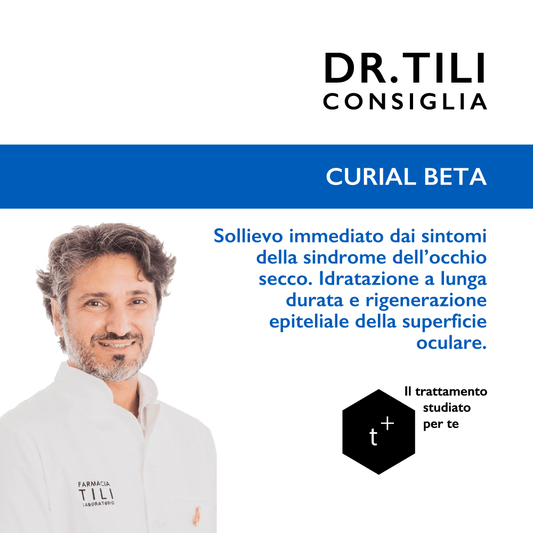
Curial βeta Dry eye supplement 30 capsules Dr.Tili
Vendor:TilpharmaRegular price €22,50Regular priceUnit price per€22,50Sale price €22,50 -
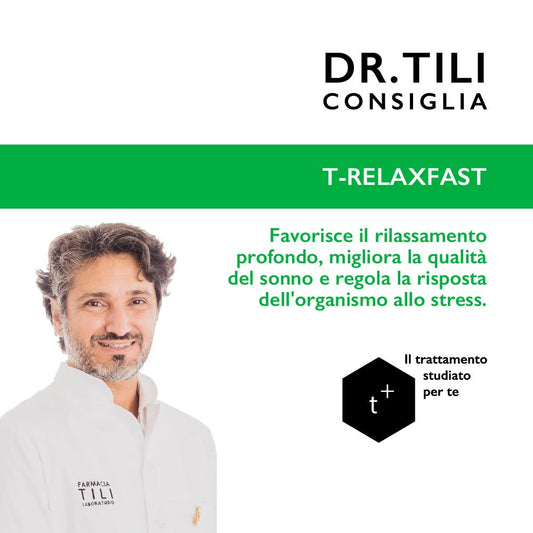
T - Relaxfast Sleep Supplement 60 Capsules Dr.Tili
Vendor:TilpharmaRegular price €24,50Regular priceUnit price per€24,50Sale price €24,50 -
Face Serum C5 Vitamin C 30ml Dr.Tili Skinlab
Vendor:TilabRegular price €62,50Regular priceUnit price per€62,50Sale price €62,50 -
Dr.Tili Skinlab E15 Vitamin E Face Serum 30ml
Vendor:TilabRegular price €32,50Regular priceUnit price per€32,50Sale price €32,50 -
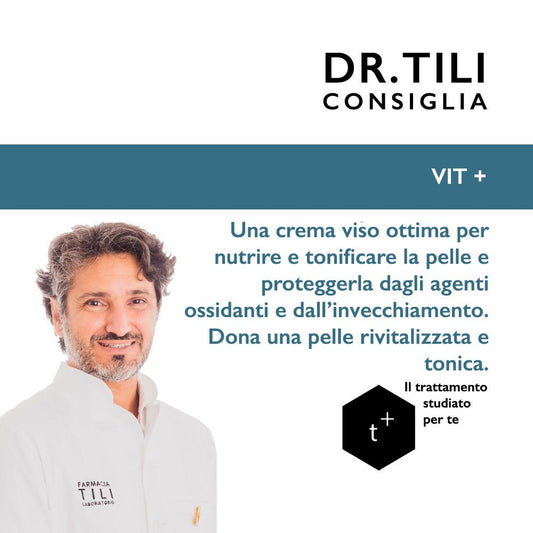
Vit+ Face Vitamin Cream 50ml Dr.Tili Skinlab
Vendor:TilabRegular price €34,00Regular priceUnit price per€34,00Sale price €34,00 -
Anti-aging Facial Treatment Hyaluronic Acid IAL B3 30ml Dr.Tili Skinlab
Vendor:TilabRegular price €46,00Regular priceUnit price per€46,00Sale price €46,00 -
Body Milk Hydra Milk 200Ml. Dr.Tili Skinlab
Vendor:TilabRegular price €16,90Regular priceUnit price per€16,90Sale price €16,90 -
Facial Cleansing Milk 150ml Dr.Tili Skinlab
Vendor:TilabRegular price €18,90Regular priceUnit price per€18,90Sale price €18,90 -
Soothing Facial Toner 125ml Dr.Tili Skinlab
Vendor:TilabRegular price €14,50Regular priceUnit price per€14,50Sale price €14,50 -
Soothing Face Cream 50ml Dr.Tili Skinlab
Vendor:TilabRegular price €19,50Regular priceUnit price per€19,50Sale price €19,50









-

ASSISTANCE - TELEPHONE ORDERS
-

SHIPPING
Shipping to Italy 24/48H
Delivery also on Saturday and Sunday
Free over €49.90
Shipping to Europe 24/72H
Free over €80 -

SAFETY
The security of your data is important to us!
We strictly comply with the European GDPR regarding
Privacy and processing of personal data
The payments you make on our site are 100% safe and guaranteed -

RETURNS
For returns, contact our customer service: you have 14 days to change your mind.
Immediate, free replacement of wrong or non-conforming products.


