

Reckitt Benckiser
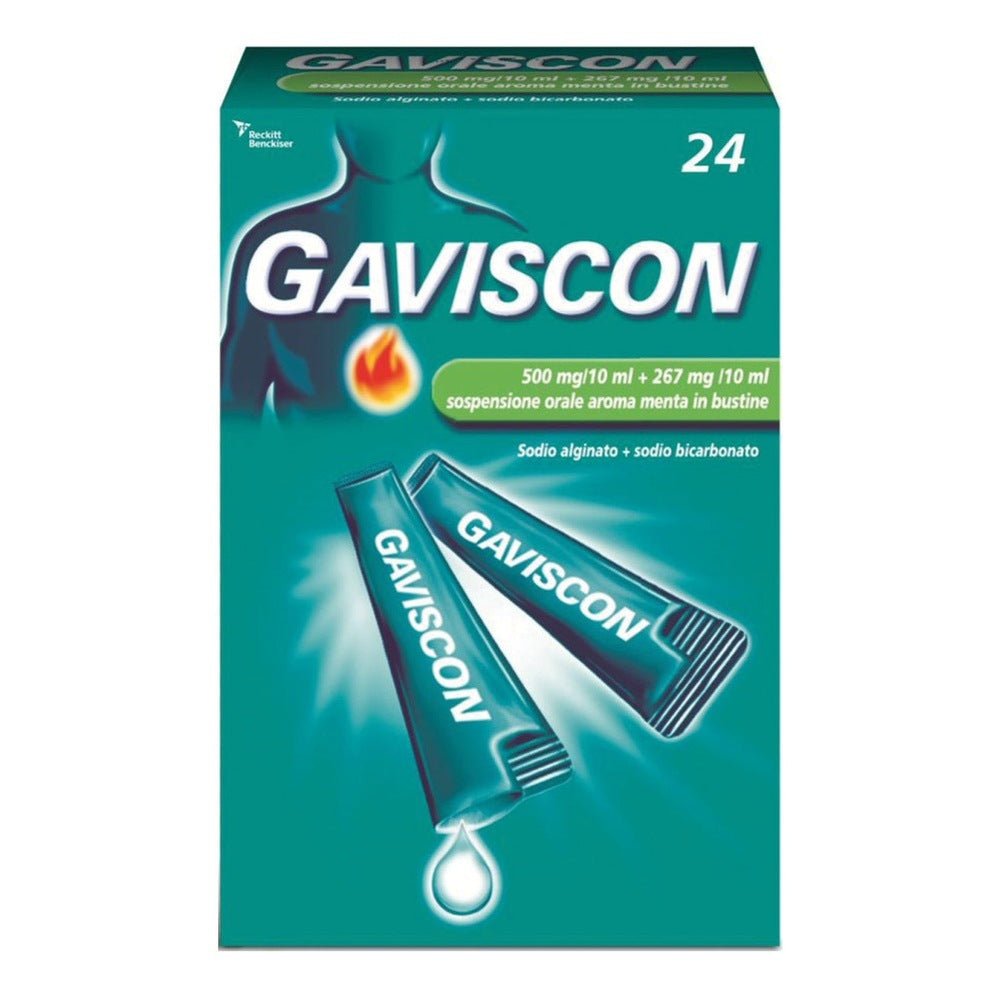
Gaviscon 500mg/10ml + 267mg/10ml oral suspension mint flavour 24 sachets 10ml
Gaviscon 500mg/10ml + 267mg/10ml oral suspension mint flavour 24 sachets 10ml
Gaviscon 500mg/10ml + 267mg/10ml oral suspension mint flavor 24 sachets 10ml: symptomatic treatment of occasional heartburn
Couldn't load pickup availability

NET WEIGHT OF THE PRODUCT
NET WEIGHT OF THE PRODUCT
240ml
EAN
EAN
024352142
MINSAN
MINSAN
024352142
INDICATIONS
Symptomatic treatment of occasional heartburn
ACTIVE INGREDIENTS
Gaviscon 500 mg + 267 mg mint flavor chewable tablets. One tablet contains: Active ingredients: sodium alginate 500 mg; sodium bicarbonate 267 mg. Excipient with known effects: aspartame 7.5 mg sodium 126.5 mg Gaviscon 250 mg + 133.5 mg mint flavor chewable tablets. One tablet contains: Active ingredients: sodium alginate 250 mg; sodium bicarbonate 133.5 mg. Excipient with known effects: aspartame 3.75 mg sodium 63.25 mg Gaviscon 250 mg + 133.5 mg strawberry flavor chewable tablets. One tablet contains: Active ingredients: sodium alginate 250 mg, sodium bicarbonate 133.5 mg. Excipient with known effects: aspartame 8.80 mg sodium 63.25 mg Gaviscon 500 mg/10 ml + 267 mg/10 ml oral suspension . 10ml contains: Active ingredients: sodium alginate 500 mg; sodium bicarbonate 267 mg. Excipients with known effects: methyl parahydroxybenzoate 40 mg propyl parahydroxybenzoate 6 mg benzyl alcohol 1.1 mg sodium 142.6 mg Gaviscon 500 mg/10 ml + 267 mg/10 ml oral suspension mint flavour. 10ml contains: Active ingredients: sodium alginate 500 mg; sodium bicarbonate 267 mg. Excipients with known effects: methyl parahydroxybenzoate 40 mg propyl parahydroxybenzoate 6 mg sodium 142.6 mg For the full list of excipients, see section 6.1.
EXCIPIENTS
Mint flavor chewable tablets: Mannitol (E421), calcium carbonate, magnesium stearate, copovidone, aspartame (E951), acesulfame potassium, macrogol 20,000, mint flavouring. Strawberry flavor chewable tablets: Xylitol, mannitol (E421), calcium carbonate, macrogol 20,000, strawberry flavouring, aspartame (E951), magnesium stearate, red iron oxide. Oral suspension: Calcium carbonate, carbomers, methyl parahydroxybenzoate (E218), propyl parahydroxybenzoate (E216), sodium saccharin, fennel flavouring, sodium hydroxide, erythrosine, purified water. Mint flavor oral suspension: Calcium carbonate, carbomers, methyl parahydroxybenzoate (E218), propyl parahydroxybenzoate (E216), sodium saccharin, mint flavouring, sodium hydroxide, purified water.
CONTRAINDICATIONS AND SIDE EFFECTS
Hypersensitivity to the active substances or to any of the excipients listed in section 6.1, such as methyl parahydroxybenzoate (E218) and propyl parahydroxybenzoate (E216) (parabens).
DOSAGE
Chewable tablets (strawberry flavor and mint flavour). Dosage. Adults and adolescents (12-18 years): 1-2 tablets of 500 mg + 267 mg after meals and at bedtime; 2-4 tablets of 250 mg + 133.5 mg after meals and at bedtime. Method of administration: For oral administration. The tablets must be chewed well (they can be broken and chewed a little at a time). Afterwards you can drink some water. Oral suspension . Dosage. Adults and adolescents (12-18 years): 10-20 ml (second-fourth notch of the measuring cup or 2-4 measuring spoons or 1-2 single-dose sachets) after meals and at bedtime. Method of administration: For oral administration. Shake the suspension before use. Take the medicine orally without water. Special populations. Elderly: it is not necessary to change the doses for this age group. Patients with renal failure: the reduced ability to eliminate the exogenous salt supplement provided by antacids in the urine can lead to potentially severe electrolyte imbalances (see section 4.4).
CONSERVATION
Oral suspension and mint flavor oral suspension: do not store above 30°C. Store in the original packaging. Do not refrigerate. Mint flavor oral suspension in sachets: do not store above 25°C. Store in the original packaging. Do not refrigerate. Mint flavor chewable tablets: do not store above 30°C. Store in the original packaging. Strawberry flavor chewable tablets: do not store above 25°C. Store in the original packaging.
WARNINGS
In adolescents (12-18 years) use only in case of real need and under strict medical supervision. Kidney failure: In case of renal insufficiency, the medicine should be used with caution since the exogenous salt supplement provided by antacids can cause potentially serious electrolyte imbalances. This medicine contains: Sodium: • 126.5mg (5.5 mmol) of sodium for each 500 mg + 267 mg chewable tablet, equivalent to approximately 6% of the maximum daily intake recommended by the WHO which corresponds to 2 g of sodium for an adult. • 63.25 mg (2.75 mmol) of sodium for each 250 mg +133.5 mg chewable tablet, equivalent to approximately 3% of the maximum daily intake recommended by the WHO which corresponds to 2 g of sodium for an adult. • 142.6 mg (6.2 mmol) of sodium for each 10 ml dose of oral suspension and mint flavor oral suspension, equivalent to approximately 7% of the maximum daily intake recommended by the WHO which corresponds to 2 g of sodium for an adult. 391 mg sodium (17 mmol) corresponds to approximately 20% of the WHO recommended maximum daily dietary intake of 2 g for an adult; this medicine is therefore considered to be high in sodium. This should be taken into account in cases where a particularly low-salt diet is recommended, for example in some cases of congestive heart failure and renal impairment. Football: Each 500 mg + 267 mg chewable tablet contains 160 mg (1.6 mmol) calcium carbonate. Each 250 mg +133.5 mg chewable tablet contains 80 mg (0.8 mmol) of calcium carbonate. Each 10 ml dose of oral suspension and mint flavor oral suspension contains 160 mg (1.6 mmol) of calcium carbonate. Each maximum recommended dose (2 tablets of 500 mg + 267 mg, 4 tablets of 250 mg +133.5 mg, 20 ml of oral suspension and mint flavor oral suspension) contains 320 mg of calcium carbonate. Caution should be exercised when treating patients with hypercalcemia, nephrocalcinosis, and recurrent calcium-containing renal stones. Aspartame: Each 500 mg + 267 mg chewable tablet contains 7.5 mg of aspartame. Each 250 mg +133.5 mg mint flavor chewable tablet contains 3.75 mg of aspartame. Each 250 mg +133.5 mg strawberry flavor chewable tablet contains 8.8 mg of aspartame. Aspartame is a source of phenylalanine and may be harmful to patients with phenylketonuria. Parahydroxybenzoates: The oral suspension and the mint flavor oral suspension contain methyl parahydroxybenzoate (40 mg/10 ml of suspension) and propyl parahydroxybenzoate (6 mg/10 ml of suspension) which may cause allergic reactions (even delayed) Benzyl alcohol: GAVISCON 500 mg/10 ml + 267 mg/10 ml oral suspension contains fennel flavour, which in turn contains benzyl alcohol. Each 10 ml dose of oral suspension contains 1.1 mg of benzyl alcohol. Benzyl alcohol can cause allergic reactions. Large volumes should be used with caution and only if necessary, especially in patients who are pregnant, breastfeeding, with hepatic or renal insufficiency due to the risk of accumulation and toxicity (metabolic acidosis). Duration of treatment: If symptoms do not improve after seven days, the clinical picture should be re-evaluated.
INTERACTIONS
It is advisable to place an interval of at least two hours between taking Gaviscon and other medicines, especially tetracyclines, fluoroquinolones, iron salts, thyroid hormones, chloroquine, bisphosphonates and estramustine (See also section 4.4).
SIDE EFFECTS
Below are the side effects of Gaviscon, organized according to the MedDRA system organic classification. They are divided by frequency (very common (≥ 1/10), common (≥ 1/100 to ≤ 1/10), uncommon (≥ 1/1,000 to ≤ 1/100), rare (≥ 1/10,000 to 1/1,000), very rare (≤ 1/10,000), not known (the frequency cannot be estimated on the basis of available data)).
Immune system disorders - Frequency: Very rare. Adverse Reaction: anaphylactic or anaphylactoid reactions. Hypersensitivity reactions (such as urticaria).
Respiratory, thoracic and mediastinal disorders - Frequency: Very rare. Adverse Reaction: respiratory symptoms such as bronchospasm.
Gastrointestinal disorders - Frequency: Very rare. Adverse Reaction: flatulence, nausea.
General disorders and conditions relating to the administration site - Frequency: Very rare. Adverse Reaction: edema.
Reporting of suspected adverse reactions. Reporting suspected adverse reactions that occur after authorization of the medicine is important, as it allows continuous monitoring of the benefit/risk balance of the medicine. Healthcare professionals are asked to report any suspected adverse reactions via the national reporting system at https://www.aifa.gov.it/content/segnalazioni-reazioni-avverse.
OVERDOSE
Experience with overdose is very limited. The only possible consequence of overdose is abdominal distension: in this case, resort to symptomatic treatment by adopting generic support measures.
PREGNANCY AND BREASTFEEDING
Pregnancy: Clinical studies on more than 500 pregnant women, as well as a large number of data from post-marketing experience, indicate that the active ingredients do not cause malformations or fetal/neonatal toxicity. Gaviscon can be used during pregnancy if clinically necessary. Breastfeeding: No effect of the active ingredients has been shown on newborns/infants breastfed by treated mothers. Gaviscon can be used during breastfeeding. Fertility: Preclinical studies have shown that alginate has no negative effect on fertility and reproduction. Clinical data do not suggest that Gaviscon has an effect on human fertility.
EFFECTS ON DRIVING ABILITY
Gaviscon has no or negligible influence on the ability to drive or use machines.
OUR PRODUCTS FOR THIS SEASON
-
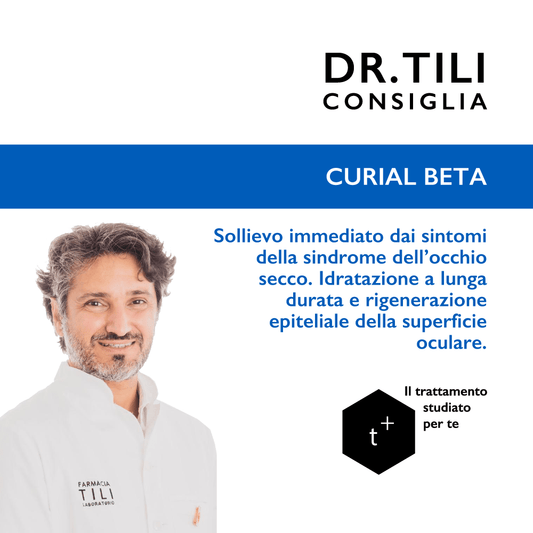
Curial βeta Dry eye supplement 30 capsules Dr.Tili
Vendor:TilpharmaRegular price €22,50Regular priceUnit price per€22,50Sale price €22,50 -
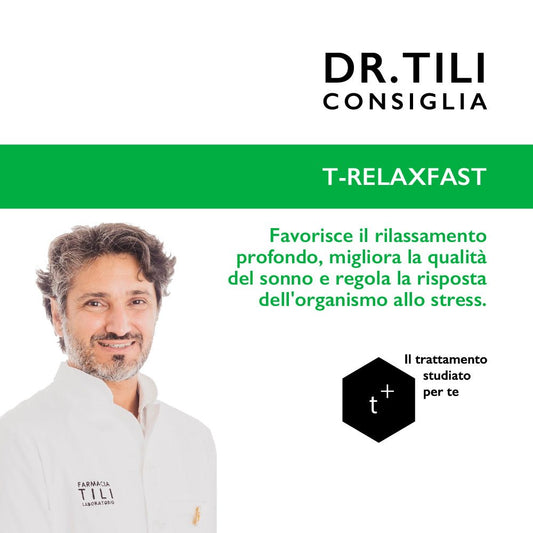
T - Relaxfast Sleep Supplement 60 Capsules Dr.Tili
Vendor:TilpharmaRegular price €24,50Regular priceUnit price per€24,50Sale price €24,50 -
Face Serum C5 Vitamin C 30ml Dr.Tili Skinlab
Vendor:TilabRegular price €62,50Regular priceUnit price per€62,50Sale price €62,50 -
Dr.Tili Skinlab E15 Vitamin E Face Serum 30ml
Vendor:TilabRegular price €32,50Regular priceUnit price per€32,50Sale price €32,50 -
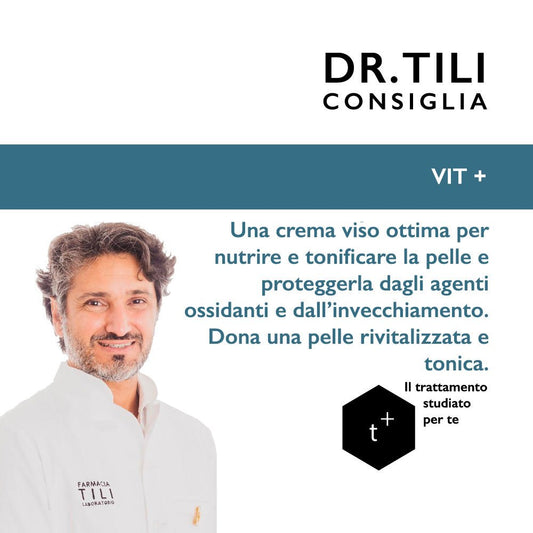
Vit+ Face Vitamin Cream 50ml Dr.Tili Skinlab
Vendor:TilabRegular price €34,00Regular priceUnit price per€34,00Sale price €34,00 -
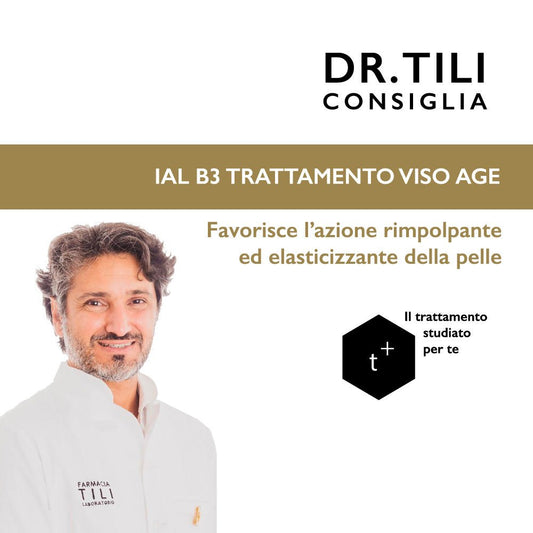
Anti-aging Facial Treatment Hyaluronic Acid IAL B3 30ml Dr.Tili Skinlab
Vendor:TilabRegular price €46,00Regular priceUnit price per€46,00Sale price €46,00 -
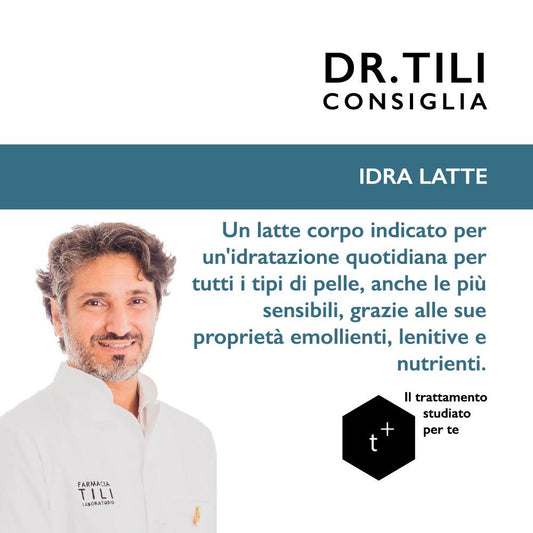
Body Milk Hydra Milk 200Ml. Dr.Tili Skinlab
Vendor:TilabRegular price €16,90Regular priceUnit price per€16,90Sale price €16,90 -
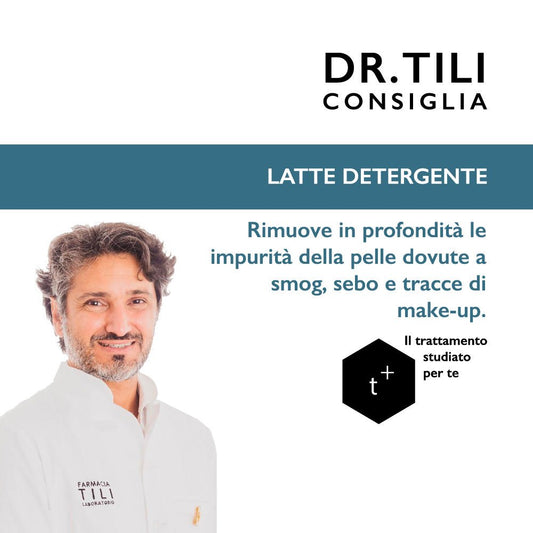
Facial Cleansing Milk 150ml Dr.Tili Skinlab
Vendor:TilabRegular price €18,90Regular priceUnit price per€18,90Sale price €18,90 -
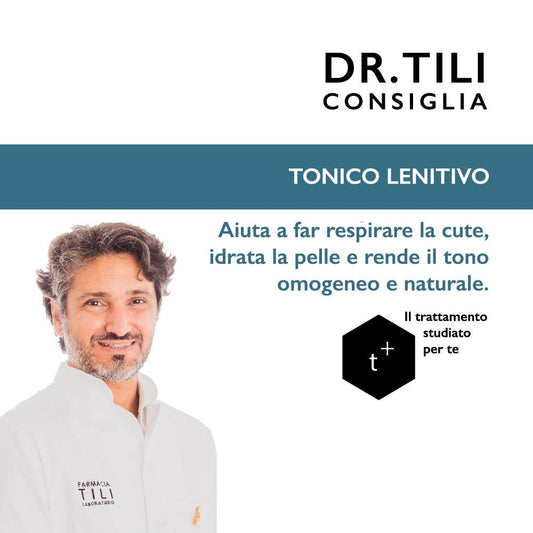
Soothing Facial Toner 125ml Dr.Tili Skinlab
Vendor:TilabRegular price €14,50Regular priceUnit price per€14,50Sale price €14,50 -
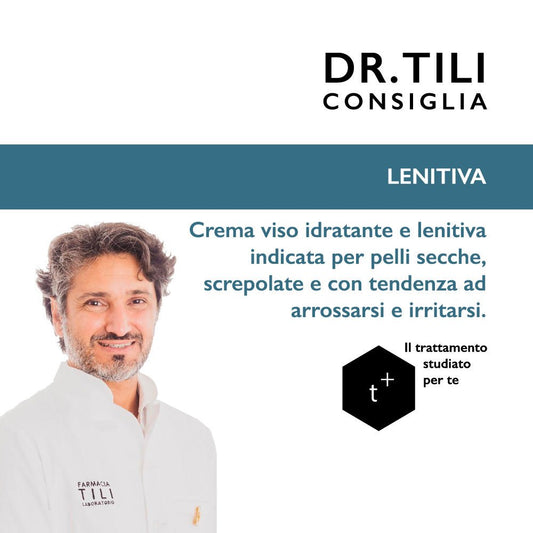
Soothing Face Cream 50ml Dr.Tili Skinlab
Vendor:TilabRegular price €19,50Regular priceUnit price per€19,50Sale price €19,50









-

ASSISTANCE - TELEPHONE ORDERS
-

SHIPPING
Shipping to Italy 24/48H
Delivery also on Saturday and Sunday
Free over €49.90
Shipping to Europe 24/72H
Free over €80 -

SAFETY
The security of your data is important to us!
We strictly comply with the European GDPR regarding
Privacy and processing of personal data
The payments you make on our site are 100% safe and guaranteed -

RETURNS
Fast returns via DIY portal and 14 days to change your mind.
Immediate and free replacements for incorrect or non-compliant products delivered.


