

Chiesi
Flomax 350 mg 20 sachets granules for oral suspension
Flomax 350 mg 20 sachets granules for oral suspension

Couldn't load pickup availability

NET WEIGHT OF THE PRODUCT
NET WEIGHT OF THE PRODUCT
20ct
EAN
EAN
027244072
MINSAN
MINSAN
027244072
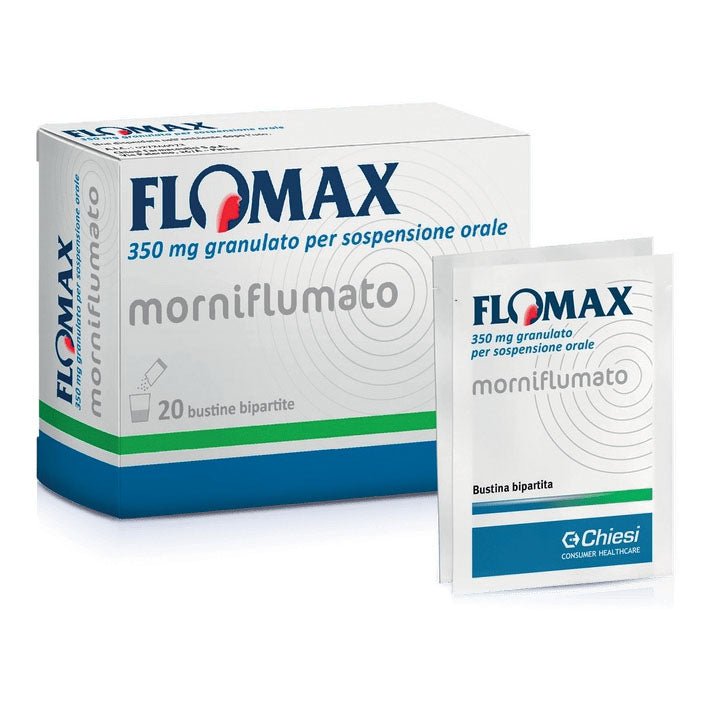
In compliance with article 118 "authorization of advertising to the public" of the legislative decree of 24 April 2006, number 219
INDICATIONS
Adults and adolescents over 15 years. Painful and non-painful inflammatory states, even accompanied by fever, affecting the ENT system. (sinusitis, ear infections, tonsillitis, pharyngitis, laryngitis).
CONTRAINDICATIONS
Hypersensitivity to the active substance or to any of the excipients listed in paragraph 6.1; Subjects with gastroduodenal ulcer and subjects with hypersensitivity to the active ingredient or to any of the excipients listed in paragraph 6.1, history of allergy or asthma caused by the administration of niflumic acid/morniflumate or substances with similar activity or closely related from a chemical point of view such as other NSAIDs and aspirin (see paragraph 4.5); History of gastrointestinal hemorrhage or perforation related to previous active treatment or history of recurrent peptic hemorrhage/ulcer (two or more distinct episodes of demonstrated ulceration or bleeding); Severe hepatic, renal and cardiac insufficiency; Third trimester of pregnancy (see section 4.6); Children and adolescents under 15 years of age. Adolescents with a history of ulcers, rectitis or rectorrhages. The granules (sachets) contain aspartame, therefore they are contraindicated in cases of phenylketonuria.
WARNINGS AND PRECAUTIONS FOR USE
Like other NSAIDs, morniflumate can contribute to triggering an asthmatic crisis in patients who have asthma associated with chronic rhinitis, chronic sinusitis and/or nasal polyposis. The administration of morniflumate can cause an asthma attack, particularly in certain subjects allergic to acetylsalicylic acid or an NSAID. Morniflumate may mask the usual signs and symptoms of an infection, therefore it should be used with caution in patients with active infections or in those at risk of infection, even if well controlled. Exceptionally, chickenpox can cause serious infectious complications of the skin and soft tissues. At the moment it cannot be excluded that NSAIDs may favor the worsening of these infections. Consequently, it is advisable to avoid the use of morniflumate in case of chickenpox (see section 4.8). During prolonged treatments, periodic blood count tests and liver and kidney function tests are advisable. Precautions for use Urinary volume and renal function must be strictly monitored at the beginning of treatment with morniflumate in patients with chronic heart failure, renal or hepatic failure, taking diuretics, who have undergone major surgery with consequent hypovolemia, and in particular in elderly subjects. The use of FLOMAX should be avoided concomitantly with NSAIDs, including selective COX-2 inhibitors. Undesirable effects can be minimized by using the lowest effective dose for the shortest possible duration of treatment needed to control symptoms (see section 4.2 and the sections below on gastrointestinal and cardiovascular risks). Cardiovascular and cerebrovascular effects Adequate monitoring and appropriate instructions are necessary in patients with a history of hypertension and/or mild to moderate congestive heart failure since fluid retention and edema have been found in association with treatment with NSAIDs. Clinical studies and epidemiological data suggest that the use of some NSAIDs (especially at high doses and for long-term treatments) may be associated with a modest increase in the risk of arterial thrombotic events (e.g. myocardial infarction or stroke). There are insufficient data to exclude a similar risk for morniflumate. Patients with uncontrolled hypertension, congestive heart failure, established ischemic heart disease, peripheral arterial disease, and/or cerebrovascular disease should be treated with morniflumate only after careful consideration. Similar considerations must be made before starting long-term treatment in patients with risk factors for cardiovascular disease (e.g. hypertension, hyperlipidemia, diabetes mellitus, smoking). Gastrointestinal bleeding, ulceration and perforation: Gastrointestinal haemorrhage, ulceration and perforation, which may be fatal, have been reported during treatment with all NSAIDs at any time, with or without warning symptoms or previous history of serious gastrointestinal events. The relative risk increases in the elderly, in debilitated subjects, in people with low body weight and in patients undergoing therapy with anticoagulants or antiplatelet agents. When gastrointestinal bleeding or ulceration occurs in patients taking FLOMAX, treatment should be discontinued. NSAIDs should be administered with caution and under close medical supervision in patients with a history of gastrointestinal disease (ulcerative colitis, Crohn's disease, hiatal hernia) since these conditions may be exacerbated (see section 4.8 Undesirable effects). Caution should be exercised in patients taking concomitant medications that may increase the risk of ulceration or haemorrhage, such as oral corticosteroids, anticoagulants such as warfarin, selective serotonin reuptake inhibitors or antiplatelet agents such as aspirin (see section 4.5). Elderly: Elderly patients have an increased frequency of adverse reactions to NSAIDs, especially gastrointestinal bleeding and perforation, which may be fatal (see section 4.2). In the elderly and in patients with a history of ulcer, especially if complicated by haemorrhage or perforation (see section 4.3), the risk of gastrointestinal haemorrhage, ulceration or perforation is higher with increased doses of NSAIDs. These patients should start treatment with the lowest available dose. The concomitant use of protective agents (misoprostol or proton pump inhibitors) should be considered for these patients and also for patients taking low doses of aspirin or other drugs that may increase the risk of gastrointestinal events (see section 4.5). Patients with a history of gastrointestinal toxicity, particularly the elderly, should report any unusual gastrointestinal symptoms (especially gastrointestinal haemorrhage) particularly in the initial stages of treatment. Skin effects Serious skin reactions, some of them fatal, including exfoliative dermatitis, Stevens-Johnson syndrome and toxic epidermal necrolysis, have been reported very rarely in association with the use of NSAIDs (see section 4.8). In the early stages of therapy, patients appear to be at higher risk: the onset of the reaction occurs in most cases within the first month of treatment. FLOMAX should be discontinued at the first appearance of skin rash, mucosal lesions or any other sign of hypersensitivity. Interference with laboratory analyses In subjects treated with niflumic acid or morniflumate, false-positive results in the immunoassay test for the presence of cannabinoids in urine have been reported (see section 4.8). Further analyzes are required to confirm the positive result. Pediatric population As with other NSAIDs, the use of morniflumate in pediatrics should be carried out after careful evaluation of the risk-benefit ratio for each individual patient. When treating pediatric patients, it is advisable to strictly adhere to the recommended posology (see paragraph 4.2), avoiding therapeutic combinations that could increase the risk of possible adverse reactions. Literature data suggest that the use of niflumic acid in the pediatric population could be associated with an increased risk of serious mucocutaneous reactions. The granules (sachets) contain sucrose: patients suffering from rare hereditary problems of fructose intolerance, glucose-galactose malabsorption, or sucrase-isomaltase insufficiency should not take this medicine; take this into account when administering to diabetic patients and those undergoing low-calorie diets. The granules also contain sorbitol: patients suffering from rare hereditary problems of fructose intolerance should not take this medicine; can cause gastric problems and diarrhea. The use of FLOMAX, as with any drug that inhibits prostaglandin synthesis and cyclooxygenase, is not recommended in women intending to become pregnant.
INTERACTIONS
Diuretics, ACE inhibitors and angiotensin II antagonists NSAIDs can reduce the effect of diuretics and other antihypertensive drugs. In some patients with compromised renal function (e.g. dehydrated patients or elderly patients with compromised renal function) co-administration of an ACE inhibitor or an angiotensin II antagonist and agents that inhibit the cyclo-oxygenase system may lead to further deterioration of renal function, including possible acute renal failure, which is usually reversible. These interactions should be considered in patients taking morniflumate concomitantly with ACE inhibitors or angiotensin II antagonists. Therefore, the combination should be administered with caution, especially in elderly patients. Patients should be adequately hydrated and consideration should be given to monitoring renal function after initiation of concomitant therapy. Risk linked to hyperkalemia Some medicinal products or therapeutic classes can favor the onset of hyperkalemia: potassium salts, diuretics, ACE (angiotensin converting enzyme) inhibitors, angiotensin II inhibitors, NSAIDs, heparins (both low molecular weight and unfractionated), ciclosporin, tacrolimus and trimethoprim. The onset of hyperkalemia may depend on the existence of associated factors. This risk increases when there is a combination with the medicinal products mentioned above. Risk linked to the anti-aggregating effect Many substances are involved in interactions due to their antiaggregating properties: aspirin and NSAIDs, ticlopidine and clopidogrel, Tirofiban, eptifibatide and abciximab, iloprost. The use of many antiplatelet agents increases the risk of bleeding as does their combination with heparins, oral anticoagulants and thrombolytics. Such use must be subject to regular clinical and biological control. Anti-platelet agents and selective serotonin reuptake inhibitors (SSRIs): increased risk of gastrointestinal haemorrhage (see section 4.4). Anticoagulants: NSAIDs may increase the effects of anticoagulants, such as warfarin (see section 4.4). Corticosteroids: increased risk of gastrointestinal ulceration or haemorrhage (see section 4.4). The simultaneous administration of morniflumate with the following products requires close clinical and biological control of the patient. Combinations not recommended With other NSAIDs (including acetylsalicylic acid and other salicylates) An increased risk of gastrointestinal ulcers and haemorrhages has been found (additive synergy). With other anticoagulants An increased risk of bleeding (inhibition of platelet function and damage to the gastroduodenal mucosa caused by NSAIDs) has been found. If this combination cannot be avoided, close clinical and laboratory monitoring of the patient is required. With heparin at curative doses or in elderly patients An increased risk of haemorrhage has been found (inhibition of platelet function and irritation of the gastroduodenal mucosa caused by NSAIDs). If this combination cannot be avoided, close clinical and laboratory monitoring of the patient is required. NSAIDs should be administered for a few days. With lithium Lithium levels in the blood are increased and toxic concentrations can be reached (reduced renal excretion of lithium). Where necessary, blood lithium levels should be closely monitored and the lithium dosage adjusted during combination treatment and after NSAID treatment has been discontinued. With methotrexate, used at higher doses of 15 mg per week An increased risk of haematological toxicity caused by methotrexate has been found (anti-inflammatories reduce the renal clearance of methotrexate). Combinations that require precautions for use With diuretics, ACE inhibitors, and angiotensin II inhibitors Acute renal failure has been found in patients at risk (elderly and/or dehydrated subjects) due to a decrease in glomerular filtration (NSAIDs inhibit vasodilatory prostaglandins). Rehydrate the patient. At the beginning of treatment, renal function should be checked. With methotrexate used at doses less than 15 mg per week An increased risk of haematological toxicity caused by methotrexate has been found (anti-inflammatories reduce the renal clearance of methotrexate). Haematological counts should be monitored weekly during the first few weeks of combination treatment. If renal insufficiency occurs (even if mild), and in elderly patients, close monitoring is required. Combinations that need to be taken into consideration An increased risk of bleeding has been found with other antiplatelet agents (ticlopidine, clopidogrel, Tirofiban, eptifibatide and abciximab, iloprost) and with heparins at prophylactic doses. An increased risk of hyperkalaemia has been found with other agents causing hyperkalaemia (potassium salts, potassium-sparing diuretics, ACE (angiotensin converting enzyme) inhibitors, angiotensin II inhibitors, other NSAIDs, heparins (both low molecular weight and unfractionated), ciclosporin, tacrolimus and trimethoprim. With beta blockers (by extrapolation of indomethacin data) A reduction in the antihypertensive effect has been found (NSAIDs inhibit vasodilatory prostaglandins). With cyclosporine Risk of potentiation of nephrotoxic effects, particularly in elderly patients.
SIDE EFFECTS
The adverse events most commonly observed with NSAIDs are gastrointestinal in nature. Peptic ulcers, perforation or gastrointestinal haemorrhage, sometimes fatal, may occur, particularly in the elderly (see section 4.4). Edema, hypertension and heart failure have been reported in association with NSAID treatment. The frequency of adverse events, reported in the table below, cannot be defined on the basis of the available data, as they were reported during the post-marketing experience.
Classification by systems and organs | Adverse reaction
Infections and infestations(*) | Worsening of skin infections (in the presence of chickenpox, see section 4.4)
Pathologies of the blood and lymphatic system | Thrombocytopenia, leukopenia
Immune system disorders | Anaphylactic shock
Nervous system disorders | Headache, dizziness
Cardiovascular diseases | Myocardial infarction or cerebrovascular accident (see section 4.4)**, edema, hypertension and cardiac failure, hypotension, vasculitis,
Respiratory, thoracic and mediastinal disorders | Asthmatic crisis (especially in patients allergic to acetylsalicylic acid or other NSAIDs)
Gastrointestinal disorders(*) | Peptic ulcer, gastrointestinal perforation, gastrointestinal haemorrhage (sometimes fatal, particularly in the elderly, see section 4.4), nausea, vomiting, diarrhoea, flatulence, constipation, dyspepsia, abdominal pain, epigastralgia, melena, haematemesis, ulcerative stomatitis, gastrointestinal ulcers (with or without haemorrhage), haemorrhagic colitis, exacerbation of colitis and Crohn's disease, gastritis.
Pathologies of the skin and subcutaneous tissue | Rash, urticaria, purpura, pruritus, erythema multiforme, erythema multiforme and dermatitis, bullous eruptions including Stevens-Johnson syndrome and toxic epidermal necrolysis, photosensitivity dermatitis, angioedema of the face, tongue, eyelids, lips, larynx, pharynx
Renal and urinary disorders | Acute renal failure, tubulointerstitial nephritis, nephrotic syndrome, hematuria
Injury, poisoning and procedural complications | Fluorosis (at high doses for several years)
Diagnostic tests | Abnormal liver function tests, false positive urine test result for cannabinoids (see section 4.4)
(*) Increases in the dosage and duration of treatment influence the increase in the frequency of gastrointestinal side effects (see section 4.4). In case of chickenpox, serious infectious skin complications may occur (see section 4.4). (**)Clinical studies and epidemiological data suggest that the use of some NSAIDs (especially at high doses and for long-term treatments) may be associated with a modest increase in the risk of arterial thrombotic events (i.e. myocardial infarction or cerebrovascular accident; see section 4.4). Reporting of suspected adverse reactions Reporting suspected adverse reactions that occur after authorization of the medicine is important, as it allows continuous monitoring of the benefit/risk balance of the medicine. Healthcare professionals are asked to report any suspected adverse reactions via the national reporting system at https://www.aifa.gov.it/content/segnalazioni-reazioni-avverse.
OUR PRODUCTS FOR THIS SEASON
-
Curial βeta Dry eye supplement 30 capsules Dr.Tili
Vendor:TilpharmaRegular price €22,50Regular priceUnit price per€22,50Sale price €22,50 -
T - Relaxfast Sleep Supplement 60 Capsules Dr.Tili
Vendor:TilpharmaRegular price €24,50Regular priceUnit price per€24,50Sale price €24,50 -
Face Serum C5 Vitamin C 30ml Dr.Tili Skinlab
Vendor:TilabRegular price €62,50Regular priceUnit price per€62,50Sale price €62,50 -
Dr.Tili Skinlab E15 Vitamin E Face Serum 30ml
Vendor:TilabRegular price €32,50Regular priceUnit price per€32,50Sale price €32,50 -
Vit+ Face Vitamin Cream 50ml Dr.Tili Skinlab
Vendor:TilabRegular price €34,00Regular priceUnit price per€34,00Sale price €34,00 -
Anti-aging Facial Treatment Hyaluronic Acid IAL B3 30ml Dr.Tili Skinlab
Vendor:TilabRegular price €46,00Regular priceUnit price per€46,00Sale price €46,00 -
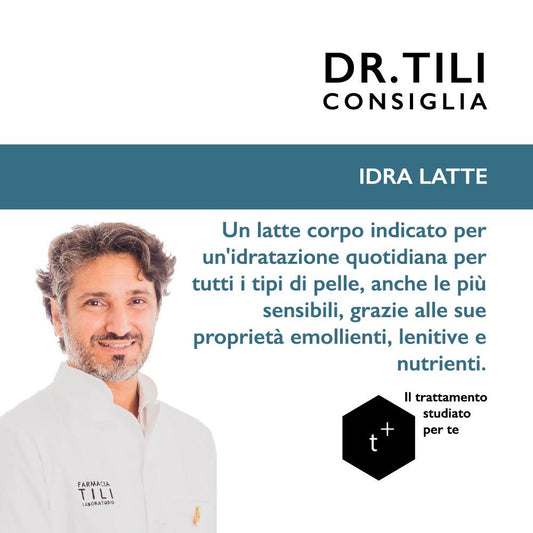
Body Milk Hydra Milk 200Ml. Dr.Tili Skinlab
Vendor:TilabRegular price €16,90Regular priceUnit price per€16,90Sale price €16,90 -
Facial Cleansing Milk 150ml Dr.Tili Skinlab
Vendor:TilabRegular price €18,90Regular priceUnit price per€18,90Sale price €18,90 -
Soothing Facial Toner 125ml Dr.Tili Skinlab
Vendor:TilabRegular price €14,50Regular priceUnit price per€14,50Sale price €14,50 -
Soothing Face Cream 50ml Dr.Tili Skinlab
Vendor:TilabRegular price €19,50Regular priceUnit price per€19,50Sale price €19,50
















-

ASSISTANCE - TELEPHONE ORDERS
-

SHIPPING
Shipping to Italy 24/48H
Delivery also on Saturday and Sunday
Free over €49.90
Shipping to Europe 24/72H
Free over €80 -

SAFETY
The security of your data is important to us!
We strictly comply with the European GDPR regarding
Privacy and processing of personal data
The payments you make on our site are 100% safe and guaranteed -

RETURNS
Fast returns via DIY portal and 14 days to change your mind.
Immediate and free replacements for incorrect or non-compliant products delivered.


