

Sanofi
Fexallegra 10 Coated Tablets 120 mg
Fexallegra 10 Coated Tablets 120 mg
Fexallegra 120 mg is a second-generation antihistamine indicated for the symptomatic treatment of allergic rhinitis and chronic urticaria in adults and children aged 12 years and older. It rapidly reduces sneezing , runny nose , itching and hives for up to 24 hours, with a low risk of drowsiness , improving quality of life during seasonal allergies .
Couldn't load pickup availability

NET WEIGHT OF THE PRODUCT
NET WEIGHT OF THE PRODUCT
10ct
EAN
EAN
042554042
MINSAN
MINSAN
042554042

INDICATIONS
Fexallegra is indicated in adults and children from 12 years of age for the symptomatic treatment of allergic rhinitis.
ACTIVE INGREDIENTS
One tablet contains: Active ingredient: 120 mg of fexofenadine hydrochloride, equal to 112 mg of fexofenadine. For the full list of excipients, see section 6.1
EXCIPIENTS
Tablet core microcrystalline cellulose; pregelatinized corn starch; croscarmellose sodium; magnesium stearate Film coating hypromellose; povidone K30; titanium dioxide (E171); anhydrous colloidal silica; macrogol 400; red iron oxide (E172), yellow iron oxide (E172).
CONTRAINDICATIONS AND SIDE EFFECTS
The medicine is contraindicated in patients with hypersensitivity to the active substance or to any of the excipients listed in paragraph 6.1.
DOSAGE
Dosage Adults The recommended dose of fexofenadine hydrochloride for adults is 120 mg once daily, before meals. Fexofenadine is a pharmacologically active metabolite of terfenadine. Pediatric population Children 12 years of age and older The recommended dose of fexofenadine hydrochloride for children aged 12 years and older is 120 mg once a day, before meals. Children under 12 years of age The efficacy and safety of fexofenadine hydrochloride 120 mg have not been studied in children under 12 years of age. In children 6 to 11 years of age: fexofenadine hydrochloride 30 mg tablets is the appropriate formulation for administration and dosing in this population. Particular populations Studies carried out in risk groups of patients (elderly, patients with renal or hepatic insufficiency) indicate that it is not necessary to adapt the dose of fexofenadine hydrochloride in these patients.
CONSERVATION
This medicinal product does not require any special precautions for storage.
WARNINGS
Data in elderly subjects and patients with impaired renal or hepatic function are limited. Fexofenadine hydrochloride should be administered with caution to these groups of subjects (see section 4.2). Patients with previous or current cardiovascular disease should be informed that antihistamines, as a class of medicinal products, have been associated with adverse reactions such as tachycardia and palpitations (see section 4.8). Fexallegra contains sodium This medicinal product contains less than 1 mmol (23 mg) sodium per tablet, i.e. essentially 'sodium-free'.
INTERACTIONS
Fexofenadine does not undergo hepatic biotransformation and therefore will not interact with other medicinal products at the level of hepatic mechanisms. Coadministration of fexofenadine hydrochloride and erythromycin or ketoconazole has been found to increase plasma levels of fexofenadine 2-3-fold. These alterations were not accompanied by any effect on the QT interval and were not associated with any increase in adverse reactions compared to that observed with the same medicinal products administered individually. Animal studies have shown that the increase in plasma levels of fexofenadine observed after concomitant treatment with erythromycin or ketoconazole appears to be caused by an increase in gastrointestinal absorption and a decrease in both biliary excretion and gastrointestinal secretion, respectively. No interaction was observed between fexofenadine and omeprazole. However, administration of an antacid containing aluminum and magnesium hydroxide 15 minutes before administration of fexofenadine hydrochloride resulted in a reduction in bioavailability, most likely due to binding in the gastrointestinal tract. An interval of 2 hours is advisable between the administration of fexofenadine hydrochloride and antacids containing aluminum and magnesium hydroxide.
SIDE EFFECTS
The following frequency class has been used when applicable: very common (≥ 1/10); common (≥ 1/100 and < 1/10); uncommon (≥ 1/1000 and < 1/100); rare (≥ 1/10,000 and < 1/1,000); very rare (< 1/10,000) and not known (frequency cannot be estimated from the available data). Within each frequency grouping, undesirable effects are presented in order of decreasing seriousness. In adults, the following side effects were reported in clinical trials, with an incidence similar to that observed with placebo: Nervous system disorders. Common: headache, drowsiness, dizziness. Gastrointestinal disorders. Common: nausea. Systemic pathologies and conditions relating to the administration site. Uncommon: fatigue. In adults, the following side effects have been reported during post-marketing surveillance. The frequency with which they occur is not known (an estimate cannot be made based on the available data): Immune system disorders: Hypersensitivity reactions with manifestations such as angioedema, chest tightness, dyspnoea, hot flushes and systemic anaphylaxis. Psychiatric disorders: Insomnia, nervousness, sleep disturbances or nightmares/excessive dreaming (paronyria). Cardiac disorders: Tachycardia, palpitations. Gastrointestinal disorders: Diarrhoea. Skin and subcutaneous tissue disorders: Rash, urticaria and itching. Reporting of suspected adverse reactions Reporting suspected adverse reactions that occur after authorization of the medicine is important, as it allows continuous monitoring of the benefit/risk balance of the medicine. Healthcare professionals are asked to report any suspected adverse reactions via the national reporting system at https://www.aifa.gov.it/content/segnalazioni-reazioni-avverse.
OVERDOSE
Dizziness, drowsiness, fatigue and dry mouth have been reported following overdose of fexofenadine hydrochloride. Single doses of up to 800 mg and doses of up to 690 mg twice daily for one month or 240 mg once daily for one year have been administered to healthy volunteers without resulting in clinically significant adverse reactions when compared to placebo. The maximum tolerated dose of fexofenadine hydrochloride has not been established. Standard measures to remove unabsorbed drug should be considered. Symptomatic and supportive treatment is recommended. Hemodialysis does not effectively remove fexofenadine hydrochloride from the blood.
PREGNANCY AND BREASTFEEDING
Pregnancy There are no adequate data on the use of fexofenadine hydrochloride in pregnant women. Limited animal studies do not indicate direct or indirect harmful effects with respect to pregnancy, embryonic/foetal development, parturition or postnatal development (see section 5.3). Fexofenadine hydrochloride should not be used during pregnancy unless absolutely necessary.Breastfeeding There are no data on the concentration in breast milk after administration of fexofenadine hydrochloride. However, when terfenadine was administered to breastfeeding mothers, fexofenadine was found to pass into breast milk. Therefore the use of fexofenadine hydrochloride is not recommended during breastfeeding. Fertility No data are available on the effect of fexofenadine hydrochloride on human fertility. In mice, treatment with fexofenadine hydrochloride showed no effect on fertility (see section 5.3).
EFFECTS ON DRIVING ABILITY
Based on the pharmacodynamic profile and adverse reactions reported, fexofenadine hydrochloride tablets are unlikely to produce any effects on the ability to drive and use machinery. In objective tests, FEXALLEGRA was not shown to have significant effects on the function of the central nervous system. This means patients can drive or perform tasks that require concentration. However, in order to identify sensitive people who may have an unusual reaction to medicines, it is advisable to test the individual response before driving or performing complex tasks.
OUR PRODUCTS FOR THIS SEASON
-
Curial βeta Dry eye supplement 30 capsules Dr.Tili
Vendor:TilpharmaRegular price €22,50Regular priceUnit price per€22,50Sale price €22,50 -
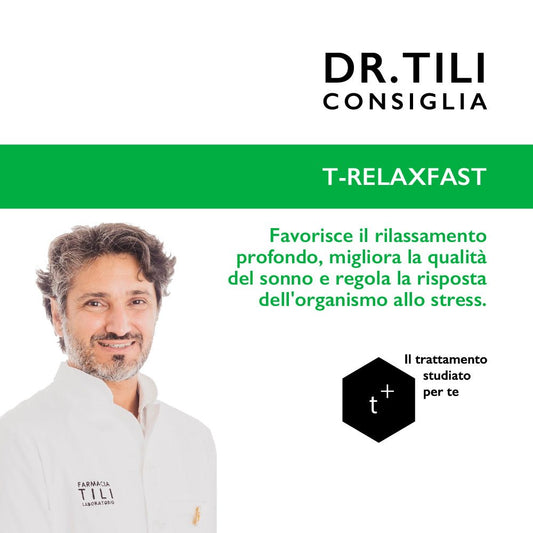
T - Relaxfast Sleep Supplement 60 Capsules Dr.Tili
Vendor:TilpharmaRegular price €24,50Regular priceUnit price per€24,50Sale price €24,50 -
Face Serum C5 Vitamin C 30ml Dr.Tili Skinlab
Vendor:TilabRegular price €62,50Regular priceUnit price per€62,50Sale price €62,50 -
Dr.Tili Skinlab E15 Vitamin E Face Serum 30ml
Vendor:TilabRegular price €32,50Regular priceUnit price per€32,50Sale price €32,50 -
Vit+ Face Vitamin Cream 50ml Dr.Tili Skinlab
Vendor:TilabRegular price €34,00Regular priceUnit price per€34,00Sale price €34,00 -
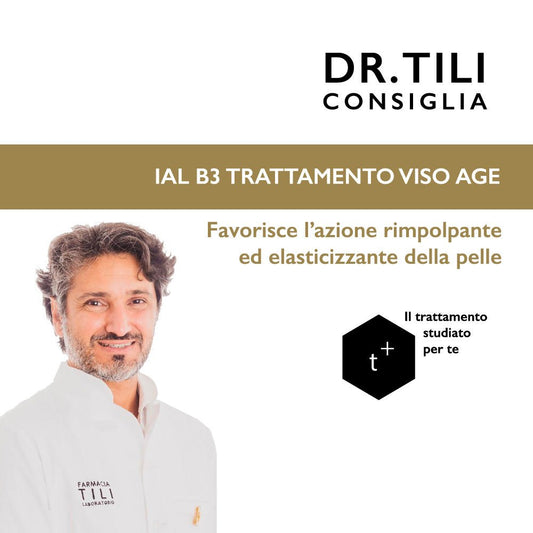
Anti-aging Facial Treatment Hyaluronic Acid IAL B3 30ml Dr.Tili Skinlab
Vendor:TilabRegular price €46,00Regular priceUnit price per€46,00Sale price €46,00 -
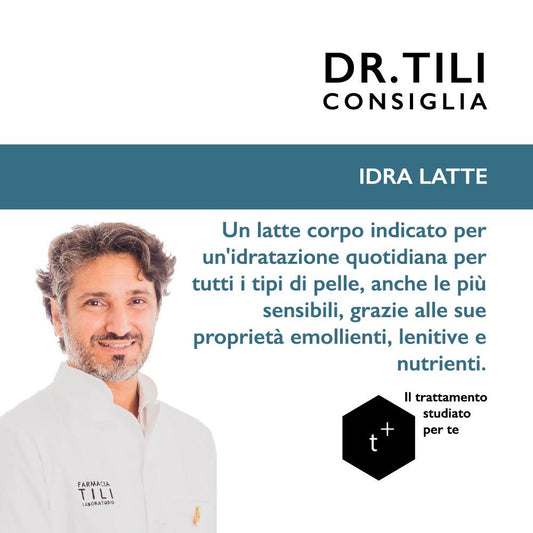
Body Milk Hydra Milk 200Ml. Dr.Tili Skinlab
Vendor:TilabRegular price €16,90Regular priceUnit price per€16,90Sale price €16,90 -
Facial Cleansing Milk 150ml Dr.Tili Skinlab
Vendor:TilabRegular price €18,90Regular priceUnit price per€18,90Sale price €18,90 -
Soothing Facial Toner 125ml Dr.Tili Skinlab
Vendor:TilabRegular price €14,50Regular priceUnit price per€14,50Sale price €14,50 -
Soothing Face Cream 50ml Dr.Tili Skinlab
Vendor:TilabRegular price €19,50Regular priceUnit price per€19,50Sale price €19,50














-

ASSISTANCE - TELEPHONE ORDERS
-

SHIPPING
Shipping to Italy 24/48H
Delivery also on Saturday and Sunday
Free over €49.90
Shipping to Europe 24/72H
Free over €80 -

SAFETY
The security of your data is important to us!
We strictly comply with the European GDPR regarding
Privacy and processing of personal data
The payments you make on our site are 100% safe and guaranteed -

RETURNS
Fast returns via DIY portal and 14 days to change your mind.
Immediate and free replacements for incorrect or non-compliant products delivered.


