

Haleon
Fenistil 1 mg/ml 20 ml oral drops solution
Fenistil 1 mg/ml 20 ml oral drops solution
Fenistil 1 mg/ml oral drops is an antihistamine indicated for the treatment of itching and food and drug allergies . Based on dimethindene maleate , it quickly relieves itchy skin , redness, and discomfort from insect bites , dermatitis , and hives . The oral drops allow for precise dosing for adults and children, ideal for daily use and for the whole family.
Couldn't load pickup availability

NET WEIGHT OF THE PRODUCT
NET WEIGHT OF THE PRODUCT
EAN
EAN
020124020
MINSAN
MINSAN
020124020
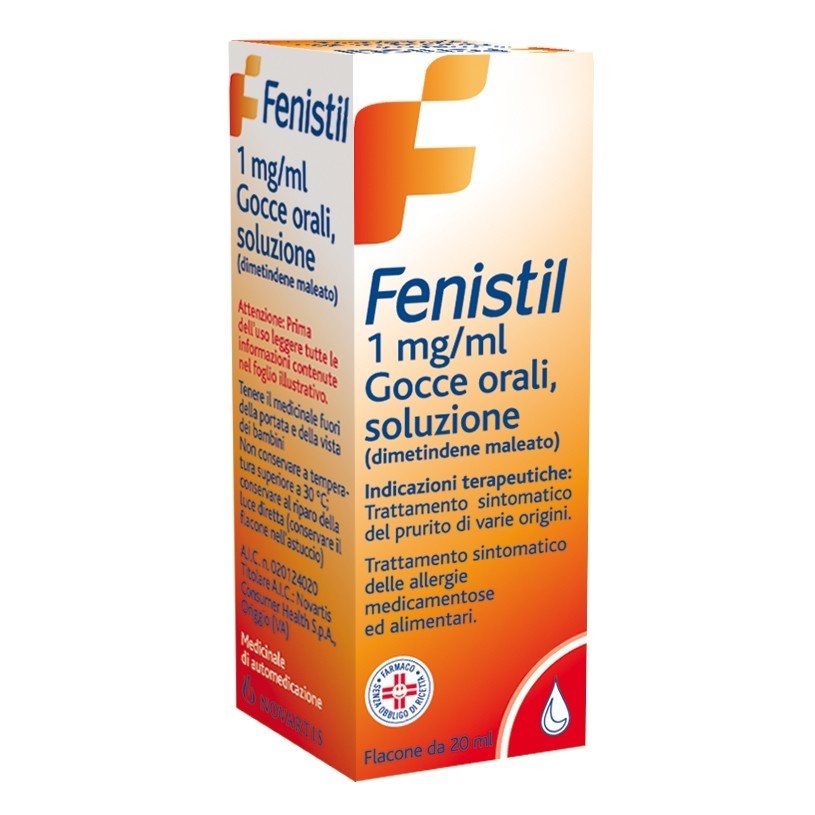
Fenistil 1 mg/ml 20 ml oral drops solution is an antihistamine in oral solution, indicated for the symptomatic treatment of itching of various origins and food and drug allergies . The active ingredient, dimetindene maleate , acts quickly to relieve allergic disorders such as skin itching , redness and discomfort related to allergic reactions. The formulation in oral drops allows for precise dosing and easy administration in both adults and children, making the product suitable for the whole family.
The 20 ml bottle of Fenistil oral drops is practical and ideal for daily use, both at home and when traveling. Thanks to its targeted action, Fenistil is particularly useful for treating itching caused by seasonal allergies, insect bites, dermatitis and urticaria . The solution is well tolerated and has a pleasant taste, making it easy to take even for the little ones. Fenistil 1 mg/ml is an over-the-counter medicine that offers rapid relief from the main allergic symptoms , improving the quality of life in the case of sudden or persistent allergic manifestations.
ACTIVE INGREDIENTS
Active ingredients contained in Fenistil 1 mg/ml 20 ml oral drops solution - What is the active ingredient of Fenistil 1 mg/ml 20 ml oral drops solution?
Fenistil oral drops, solution 1 ml of solution contains dimethindene maleate 1 mg. Excipients with known effect: benzoic acid, propylene glycol, sodium. Fenistil coated tablets Each coated tablet contains dimethindene maleate 1 mg. Excipients with known effect: lactose, sucrose, wheat starch. For the full list of excipients, see section 6.1EXCIPIENTS
Composition of Fenistil 1 mg/ml 20 ml oral drops solution - What does Fenistil 1 mg/ml 20 ml oral drops solution contain?
Fenistil oral drops Sodium phosphate dibasic dodecahydrate; propylene glycol; benzoic acid; disodium edetate; citric acid monohydrate; sodium saccharin; purified water. Fenistil coated tablets Lactose, wheat starch, magnesium stearate, talc, sucrose, calcium carbonate, gum arabic, titanium dioxide, macrogol.DIRECTIONS
Therapeutic indications Fenistil 1 mg/ml 20 ml oral drops solution - Why is Fenistil 1 mg/ml 20 ml oral drops solution used? What is it used for?
- Symptomatic treatment of itching of various origins. - Symptomatic treatment of drug and food allergies.CONTRAINDICATIONS AND SIDE EFFECTS
Contraindications Fenistil 1 mg/ml 20 ml oral drops solution - When should Fenistil 1 mg/ml 20 ml oral drops solution not be used?
Hypersensitivity to the active substance or to any of the excipients listed in section 6.1. Glaucoma, prostatic hypertrophy, bladder neck obstruction, pyloric, duodenal or other gastrointestinal and urogenital tract stenosis. Asthma and chronic obstructive pulmonary disease. Cardiovascular disease and hypertension. Hyperthyroidism. Epilepsy. Concomitant treatment with monoamine oxidase inhibitors. Infants less than 1 month old, particularly premature infants.DOSAGE
Quantity and method of taking Fenistil 1 mg/ml 20 ml oral drops solution - How to take Fenistil 1 mg/ml 20 ml oral drops solution?
Adults and children over 12 years of age The recommended daily dose is 3-6 mg of dimethindene maleate per day, divided into three administrations. This corresponds to the administration of: - 1 mg/ml drops: 20-40 drops 3 times a day; - 1 mg coated tablets: 1-2 coated tablets 3 times a day. In patients who have a tendency to drowsiness, 2 coated tablets (or 40 drops) should be prescribed in the evening, before going to bed and 1 coated tablet (or 20 drops) during breakfast. Paediatric population Children (under 12 years of age) In children under 12 years of age, use the medicine only on medical prescription. The recommended daily dose is 0.1 mg/kg of body weight/day, i.e. 2 drops per kg of body weight per day, divided into three daily administrations. 20 drops = 1 ml = 1 mg of dimethindene maleate. Fenistil drops should not be subjected to high temperatures: add the drops to the bottle at the last moment, when the contents are lukewarm. If the child is able to eat with a spoon, administer the drops undiluted in a teaspoon. They have a pleasant taste. Elderly The safety and efficacy of dimethindene in patients over 65 years of age have not been systematically evaluated. Use only for short periods of treatment.CONSERVATION
Storage Fenistil 1 mg/ml 20 ml oral drops solution - How is Fenistil 1 mg/ml 20 ml oral drops solution stored?
Fenistil coated tablets: store in the original package. Fenistil oral drops: store below 25°C. Keep the bottle in the original package to protect from light.WARNINGS
Warnings Fenistil 1 mg/ml 20 ml oral drops solution - About Fenistil 1 mg/ml 20 ml oral drops solution it is important to know that:
Use with caution in patients with severe liver disease. Antihistamines may cause photosensitization: after administration of the medicine avoid exposure to sunlight. Use with caution in the elderly as they are more subject to adverse reactions such as agitation and fatigue. Avoid use in elderly patients with mental confusion. Paediatric population Particular attention should be paid when determining the dose in the paediatric population. In children under 12 years of age use the medicine only on medical prescription. Caution is recommended when administering any antihistamine to children under 1 year of age: the sedative effect may be associated with episodes of apnoea during sleep. In younger children, it has been reported that antihistamines may induce excitability. Important information about some of the excipients: Fenistil tablets contain: - lactose : patients with rare hereditary problems of galactose intolerance, the Lapp lactase deficiency or glucose-galactose malabsorption should not take this medicine. - Sucrose : Patients with rare hereditary problems of fructose intolerance, glucose-galactose malabsorption or sucrase-isomaltase insufficiency should not take this medicine. - Wheat starch : In this medicine, wheat starch contains only a very small amount of gluten; it is very unlikely to cause problems in coeliac disease. One tablet contains no more than 0.2 micrograms of gluten. People with wheat allergy (other than coeliac disease) should not take this medicine. Fenistil oral drops contain: - benzoic acid: this medicine contains 2 mg of benzoic acid per dose (40 drops) equivalent to 1 mg/ml. - Propylene glycol: this medicine contains 200 mg of propylene glycol per dose (40 drops) equivalent to 100 mg/ml. Clinical monitoring is required for patients with hepatic or renal impairment due to various adverse events attributed to propylene glycol such as renal dysfunction (acute tubular necrosis), acute kidney injury and hepatic dysfunction. - Sodium: This medicinal product contains less than 1 mmol (23 mg) sodium per dose (equivalent to 40 drops), i.e. essentially 'sodium-free'.INTERACTIONS
Interactions Fenistil 1 mg/ml 20 ml oral drops solution - Which medicines or foods can modify the effect of Fenistil 1 mg/ml 20 ml oral drops solution?
The effect on the central nervous system of central nervous system depressants (such as tranquilizers, opioid analgesics, anticonvulsants, antihistamines, antiemetics, antipsychotics, anxiolytics, hypnotics, scopolamine and alcohol) may be potentiated by dimetindene maleate. This may cause undesirable consequences that could be life-threatening. Tricyclic antidepressants and anticholinergics (e.g. bronchodilators, gastrointestinal antispasmodics, mydriatics, urological antimuscarinics) may have an additive antimuscarinic effect with that of antihistamines, increasing the risk of aggravation of glaucoma or urinary retention. To minimize CNS depression and possible potentiation, concomitant administration of procarbazine and antihistamines should be used with caution. The use of antihistamines may mask the early signs of ototoxicity of some antibiotics and may reduce the duration of action of oral anticoagulants.SIDE EFFECTS
Like all medicines, Fenistil 1 mg/ml 20 ml oral drops solution can cause side effects - What are the side effects of Fenistil 1 mg/ml 20 ml oral drops solution?
Summary of safety profile Undesirable effects include somnolence, especially at the beginning of treatment. In very rare cases, allergic reactions may occur. Tabulated list of adverse reactions Undesirable effects are listed below by system organ class and frequency. Frequencies are defined as: very common (≥1/10); common (≥1/100, <1/10); uncommon (≥1/1,000, <1/100); rare (≥1/10,000, <1/1,000); very rare (<1/10,000), or not known (cannot be estimated from the available data). Within each frequency grouping, adverse reactions are presented in order of decreasing seriousness.| Classification by systems and organs | Adverse event |
| Frequency | |
| Immune system disorders | |
| Very rare | Skin rashes, Photosensitization, Anaphylactoid reactions (including facial edema, pharyngeal edema and dyspnoea) |
| Psychiatric disorders | |
| Rare | Agitation |
| Very rare | Signs of excitement (such as euphoria, tremor, insomnia, convulsions) |
| Nervous system disorders | |
| Very common | Fatigue |
| Common | Drowsiness, Nervousness |
| Rare | Headache, Dizziness |
| Very rare | Sedation |
| Asthenia | |
| Coordination disorders | |
| Vision disturbances | |
| Respiratory, Thoracic and Mediastinal Pathologies | |
| Very rare | Dryness of the nose, Reduction and thickening of bronchial secretion accompanied by a feeling of chest oppression and difficulty breathing |
| Gastrointestinal disorders | |
| Rare | Gastrointestinal disorders, Nausea, Dry mouth and throat |
| Very rare | Anorexia, Vomiting, Diarrhea or constipation |
| Kidney and urinary disorders | |
| Very rare | Difficulty in urination, Urinary retention |
OVERDOSE
Overdose Fenistil 1 mg/ml 20 ml oral drops solution - What are the risks of Fenistil 1 mg/ml 20 ml oral drops solution in case of overdose?
Symptoms In case of overdose, as with other H 1 antihistamines, the following symptoms may occur: central nervous system depression with drowsiness (especially in adults), central nervous system stimulation and anticholinergic effects (especially in children and the elderly) with excitation, ataxia, hallucinations, tremors, convulsions, tonic-clonic spasms, mydriasis, dry mouth, facial flushing, urinary retention and fever. Hypotension, worsening coma with cardiorespiratory collapse and death may also occur. No fatal outcome has been reported following Fenistil overdose. Management There is no specific antidote for antihistamine overdose; the usual emergency measures should be implemented: induction of vomiting, gastric lavage if vomiting has not been induced, administration of activated charcoal, saline laxatives and the usual cardio-respiratory support measures. Do not administer stimulants; vasopressor drugs may be used to treat hypotension.PREGNANCY AND BREASTFEEDING
If you are pregnant or breast-feeding, think you may be pregnant or are planning to have a baby, ask your doctor for advice before taking Fenistil 1 mg/ml 20 ml oral drops solution.
Pregnancy For dimetindene maleate no clinical data on pregnant women are available. Animal studies have not shown direct or indirect harmful effects on pregnancy and on the fetus/newborn. The safety of use during pregnancy has not been evaluated in humans. Fenistil should be administered during pregnancy only after the physician has assessed the risk/benefit ratio, estimating that the benefit for the mother outweighs the risk for the fetus. Breastfeeding The use of Fenistil is not recommended during breastfeeding as the excretion of dimetindene maleate in breast milk cannot be excluded. Fertility No effects on fertility have been observed in animal studies.DRIVING AND USE OF MACHINERY
Taking Fenistil 1 mg/ml 20 ml oral drops solution before driving or using machines - Does Fenistil 1 mg/ml 20 ml oral drops solution affect driving or using machines?
At common therapeutic doses the most frequent side effect is sedation which may cause drowsiness; drivers of motor vehicles or those performing operations requiring full levels of alertness must be warned of this.OUR PRODUCTS FOR THIS SEASON
-
Curial βeta Dry eye supplement 30 capsules Dr.Tili
Vendor:TilpharmaRegular price €22,50Regular priceUnit price per€22,50Sale price €22,50 -
T - Relaxfast Sleep Supplement 60 Capsules Dr.Tili
Vendor:TilpharmaRegular price €24,50Regular priceUnit price per€24,50Sale price €24,50 -
Face Serum C5 Vitamin C 30ml Dr.Tili Skinlab
Vendor:TilabRegular price €62,50Regular priceUnit price per€62,50Sale price €62,50 -
Dr.Tili Skinlab E15 Vitamin E Face Serum 30ml
Vendor:TilabRegular price €32,50Regular priceUnit price per€32,50Sale price €32,50 -
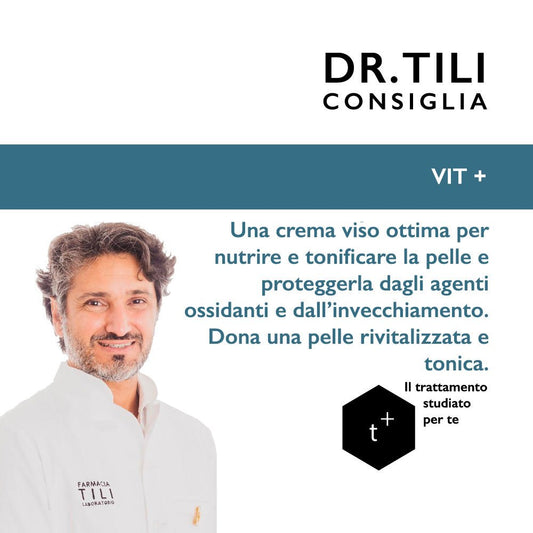
Vit+ Face Vitamin Cream 50ml Dr.Tili Skinlab
Vendor:TilabRegular price €34,00Regular priceUnit price per€34,00Sale price €34,00 -
Anti-aging Facial Treatment Hyaluronic Acid IAL B3 30ml Dr.Tili Skinlab
Vendor:TilabRegular price €46,00Regular priceUnit price per€46,00Sale price €46,00 -
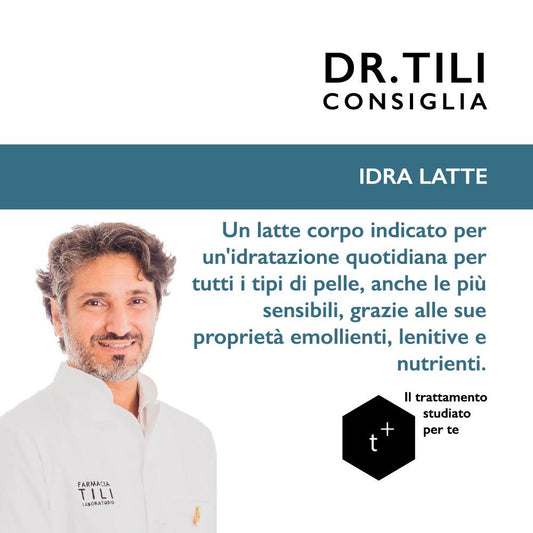
Body Milk Hydra Milk 200Ml. Dr.Tili Skinlab
Vendor:TilabRegular price €16,90Regular priceUnit price per€16,90Sale price €16,90 -
Facial Cleansing Milk 150ml Dr.Tili Skinlab
Vendor:TilabRegular price €18,90Regular priceUnit price per€18,90Sale price €18,90 -
Soothing Facial Toner 125ml Dr.Tili Skinlab
Vendor:TilabRegular price €14,50Regular priceUnit price per€14,50Sale price €14,50 -
Soothing Face Cream 50ml Dr.Tili Skinlab
Vendor:TilabRegular price €19,50Regular priceUnit price per€19,50Sale price €19,50















-

ASSISTANCE - TELEPHONE ORDERS
-

SHIPPING
Shipping to Italy 24/48H
Delivery also on Saturday and Sunday
Free over €49.90
Shipping to Europe 24/72H
Free over €80 -

SAFETY
The security of your data is important to us!
We strictly comply with the European GDPR regarding
Privacy and processing of personal data
The payments you make on our site are 100% safe and guaranteed -

RETURNS
Fast returns via DIY portal and 14 days to change your mind.
Immediate and free replacements for incorrect or non-compliant products delivered.


