

Alfasigma
Dicloreum Unidie 136 mg 5 medicated plasters
Dicloreum Unidie 136 mg 5 medicated plasters
Dicloreum Unidie 136 mg is a medicated ibuprofen -based patch indicated for the local treatment of rheumatic or traumatic joint, muscle, tendon, and ligament pain . It provides anti-inflammatory and analgesic action for up to 24 hours with a single application per day, offering targeted efficacy and reducing the risk of systemic effects compared to oral NSAIDs.
Couldn't load pickup availability

NET WEIGHT OF THE PRODUCT
NET WEIGHT OF THE PRODUCT
EAN
EAN
037184013
MINSAN
MINSAN
037184013
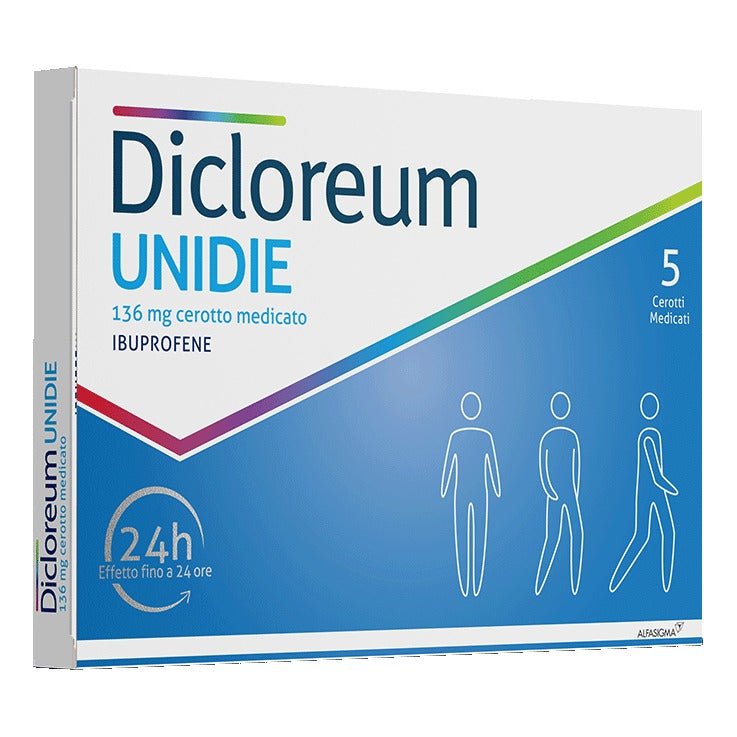
Dicloreum Unidie 136 mg 5 medicated patches is an anti-inflammatory and pain reliever for topical use, ideal for the local treatment of joint, muscle, tendon and ligament pain of rheumatic or traumatic origin. Each patch contains ibuprofen 136 mg , an active ingredient belonging to the category of NSAIDs (nonsteroidal anti-inflammatory drugs) , known for its effectiveness in reducing pain and inflammation directly in the affected area.
The medicated plaster formulation guarantees a constant release of the active ingredient for 24 hours , offering prolonged and targeted relief without the need for frequent applications. Dicloreum Unidie is particularly suitable for those suffering from back pain, rheumatic pain, traumatic pain or localized discomfort in joints, muscles, tendons and ligaments . The practicality of the plaster allows you to continue your normal daily activities, while ensuring an effective and discreet therapeutic action.
Thanks to its targeted and localized action , Dicloreum Unidie reduces the risk of systemic side effects compared to oral treatments, resulting in a safe and well-tolerated solution for the treatment of musculoskeletal pain . The patch is easy to apply, adheres perfectly to the skin and can be used on different areas of the body, also adapting to areas subject to movement such as elbows and knees.
Dicloreum Unidie 136 mg medicated plasters is an over-the-counter medicine that offers an effective, practical and long-lasting solution for those seeking local treatment of joint and muscle pain , improving the quality of life and promoting a rapid resumption of normal activities.
ACTIVE INGREDIENTS
Active ingredients contained in Dicloreum Unidie 136 mg 5 medicated plasters - What is the active ingredient of Dicloreum Unidie 136 mg 5 medicated plasters?
One medicated plaster contains: active ingredient: ibuprofen 136 mg. For the full list of excipients, see section 6.1EXCIPIENTS
Composition of Dicloreum Unidie 136 mg 5 medicated plasters - What does Dicloreum Unidie 136 mg 5 medicated plasters contain?
Potassium salt of the copolymer of 2-ethylhexyl acrylate, methyl acrylate, acrylic acid, glycidyl methacrylate; oleic acid; Al +3 . Support matrix: PET. Protective film: siliconized PET.DIRECTIONS
Therapeutic indications Dicloreum Unidie 136 mg 5 medicated plasters - Why is Dicloreum Unidie 136 mg 5 medicated plasters used? What is it used for?
DICLOREUM UNIDIE is indicated for the local treatment of painful and inflammatory conditions of a rheumatic or traumatic nature of joints, muscles, tendons and ligaments.CONTRAINDICATIONS AND SIDE EFFECTS
Contraindications Dicloreum Unidie 136 mg 5 medicated plasters - When should Dicloreum Unidie 136 mg 5 medicated plasters not be used?
Hypersensitivity to the active substance (ibuprofen) or to any of the excipients. The use of DICLOREUM UNIDIE is contraindicated in subjects who have previously shown hypersensitivity to acetylsalicylic acid or other analgesics or nonsteroidal anti-inflammatory drugs, in patients with previous episodes of bronchospasm, angioedema or anaphylactoid reactions. The administration of DICLOREUM UNIDIE should be avoided in patients with active peptic ulcer, bronchial asthma or with severe renal and hepatic insufficiency. The use of DICLOREUM UNIDIE should also be avoided in patients with a history of gastrointestinal bleeding or perforation related to previous active treatments or a history of recurrent peptic ulcer/haemorrhage (two or more distinct episodes of proven ulceration or bleeding), in therapy with anticoagulants (see paragraph 4.5) and finally in cases of severe cardiac insufficiency. Also avoid applying the medicated plaster on damaged skin or in areas that present dermatosis or infections. Avoid contact with eyes and mucous membranes. The use of DICLOREUM UNIDIE is contraindicated during the third trimester of pregnancy and breastfeeding (see paragraph 4.6) and in children under 12 years of age.DOSAGE
Quantity and method of taking Dicloreum Unidie 136 mg 5 medicated patches - How to take Dicloreum Unidie 136 mg 5 medicated patches?
Use only one medicated plaster at a time and replace it every 24 hours for a maximum duration of 7-10 days. DICLOREUM UNIDIE is to be used exclusively for applications on intact skin. It is recommended to wash and dry the painful area thoroughly before applying the medicated plaster. If the medicated plaster must be positioned on joints subject to wide mobility, such as the elbow or knee, it is recommended to apply it longitudinally and not transversally, taking care to attach the medicated plaster while keeping the joint partially flexed. To apply the medicated plaster, partially detach the two parts of the transparent protective film in the central area of the medicated plaster so as to have a free adhesive surface of 2 - 3 centimetres and make this part adhere to the skin in the central area of the painful point. Slowly detach the two protective films one after the other, taking care to prevent the medicated plaster from creasing or sticking to itself. Immediately after attaching the medicated plaster, lightly massage the skin for approximately 20 seconds to ensure perfect adhesion of the medicated plaster. Do not exceed the recommended doses. Paediatric population : There is no experience with the use of DICLOREUM UNIDIE in children and therefore its use in subjects under 12 years of age is not recommended (see paragraphs 4.3 and 4.4).CONSERVATION
Storage Dicloreum Unidie 136 mg 5 medicated plasters - How should Dicloreum Unidie 136 mg 5 medicated plasters be stored?
No special storage conditions.WARNINGS
Warnings Dicloreum Unidie 136 mg 5 medicated plasters - It is important to know that about Dicloreum Unidie 136 mg 5 medicated plasters:
Plasma levels of ibuprofen achieved after administration of the medicated plaster are much lower than those obtained by systemic administration and therefore the occurrence of systemic side effects is likely to be much lower than with systemic use. However, if medicated plasters are used for a prolonged period of time the possibility of systemic adverse events cannot be excluded. Undesirable effects may be minimised by using the lowest effective dose for the shortest duration necessary to control symptoms. Non-steroidal anti-inflammatory, antipyretic and analgesic drugs (non-selective NSAIDs and selective COX-2 inhibitors), including ibuprofen, may cause hypersensitivity reactions, potentially serious, in subjects not previously exposed to this type of drug. These reactions include asthma attacks, skin rashes, allergic rhinitis and anaphylactic-type reactions. Like other NSAIDs, ibuprofen may mask signs of infection. Elderly: Caution should be exercised when treating elderly patients who are generally more predisposed to adverse events. Patients with asthma, bronchial obstructive diseases, allergic rhinitis or inflammation of the nasal mucosa (nasal polyp) react more often than other patients to treatment with NSAIDs, with asthmatic attacks, local inflammation of the skin and mucosa (Quincke's edema) or urticaria. Gastrointestinal bleeding, ulceration and perforation, which can be fatal, have been reported with all NSAIDs at any time during treatment, with or without warning symptoms or a previous history of serious gastrointestinal events. Use caution when administering DICLOREUM UNIDIE to patients with a history of peptic ulcer or gastrointestinal bleeding not secondary to the administration of NSAIDs and in cases of ulcerative colitis and Crohn's disease. Patients with a history of GI toxicity, particularly when elderly, should report any unusual GI symptoms (especially GI bleeding) particularly in the initial stages of treatment. Caution should be advised in patients receiving concomitant medications which could increase the risk of ulceration or bleeding, such as oral corticosteroids, anticoagulants such as warfarin, selective serotonin reuptake inhibitors or anti-platelet agents such as aspirin (see section 4.5). If GI bleeding or ulceration occurs in patients receiving DICLOREUM UNIDIE, the treatment should be withdrawn. It is also not recommended in case of bleeding diathesis, severe hepatic or renal dysfunction and in cases of heart failure. Caution should be advised in patients with a history of hypertension and/or mild to moderate congestive heart failure since fluid retention and oedema have been reported in association with NSAID therapy. NSAIDs may reduce the effect of diuretics and other antihypertensive drugs (see section 4.5). Ibuprofen may cause water, sodium and potassium retention in patients who have never had renal disorders due to its effects on renal perfusion. This may cause oedema or cardiac failure or hypertension in predisposed patients. Long-term use of ibuprofen, as with other NSAIDs, has led to renal papillary necrosis and other pathological renal changes. Ibuprofen, like other NSAIDs, may inhibit platelet aggregation and has been shown to prolong bleeding time in healthy subjects. Therefore, patients with coagulation defects or on anticoagulant therapy should be carefully observed. On rare occasions, aseptic meningitis has been observed in patients receiving ibuprofen. Prolonged or repeated use of products for cutaneous use may give rise to local sensitization phenomena. Analgesics, antipyretics, non-steroidal anti-inflammatory drugs can cause hypersensitivity reactions, potentially serious (anaphylactoid reactions), even in subjects not previously exposed to this type of drug. The risk of hypersensitivity reactions after taking ibuprofen is greater in subjects who have shown such reactions after the use of other analgesics, antipyretics, non-steroidal anti-inflammatory drugs and in subjects with bronchial hyperreactivity (asthma), hay fever, nasal polyposis or chronic obstructive respiratory diseases or previous episodes of angioedema. In the early stages of therapy, patients appear to be at higher risk: the onset of the reaction occurs in most cases within the first month of treatment. Serious hypersensitivity reactions (for example anaphylactic shock) have been observed rarely. In the presence of significant adverse reactions (skin reactions such as exfoliative dermatitis, Stevens-Johnson syndrome and toxic epidermal necrolysis) and hypersensitivity reactions, it is necessary to immediately discontinue therapy and consult a doctor in order to establish an appropriate therapy. After a short therapy without appreciable results, consult a doctor. There is no experience with the use of DICLOREUM UNIDIE in children and therefore its use is not recommended in subjects under 12 years of age.INTERACTIONS
Interactions Dicloreum Unidie 136 mg 5 medicated plasters - Which medicines or foods can modify the effect of Dicloreum Unidie 136 mg 5 medicated plasters?
The use of ibuprofen patches is unlikely to have interactions with other medicinal products. However, the possibility of competition between absorbed ibuprofen and other drugs with high plasma protein binding cannot be excluded. Do not use the product together with other oral or local drugs containing ibuprofen or other NSAIDs.SIDE EFFECTS
Like all medicines, Dicloreum Unidie 136 mg 5 medicated plasters can cause side effects - What are the side effects of Dicloreum Unidie 136 mg 5 medicated plasters?
Undesirable effects may be minimised by reducing the duration of treatment to the shortest duration necessary to control symptoms. Data from clinical trials on the product have been used to determine the frequency of adverse reactions. The following convention has been adopted for the classification of frequencies: Very common ≥1/10; Common ≥1/100 - <1/10; Uncommon ≥1/1,000 - <1/100; Rare ≥1/10,000 - <1/1,000; Very rare <1/10,000, not known (cannot be estimated from the available data). Table 1: Incidence of treatment-associated undesirable effects in controlled clinical trials.| Classification by system and organ and frequency | Adverse reaction |
| Nervous system disorders | |
| Municipalities | Dry mouth, headache, dysgeusia |
| Gastrointestinal disorders | |
| Municipalities | Nausea |
| Skin and subcutaneous tissue disorders | |
| Municipalities | Facial edema, vesicles |
| Not known | Drug Reaction with Eosinophilia and Systemic Symptoms (DRESS Syndrome) |
| Musculoskeletal and connective tissue disorders | |
| Municipalities | General malaise |
| Systemic disorders and conditions related to the administration site | |
| Very Common | Mild erythema |
| Municipalities | Itching, burning, clear erythematous manifestation, skin exfoliation and cracking |
| Classification by system and organ and frequency | Adverse reaction |
| Immune system disorders | |
| Not known | Local hypersensitivity |
| Skin and subcutaneous tissue disorders | |
| Not known | Photosensitivity reactions |
| Systemic disorders and conditions related to the administration site | |
| Not known | Contact dermatitis |
| Not known | Numbness and tingling at the application site |
OVERDOSE
Overdose Dicloreum Unidie 136 mg 5 medicated plasters - What are the risks of Dicloreum Unidie 136 mg 5 medicated plasters in case of overdose?
No cases of overdose have been reported. Should systemic side effects occur due to incorrect use or accidental overdose with the product, general supportive measures for intoxication with nonsteroidal anti-inflammatory drugs are recommended. In cases of severe poisoning, metabolic acidosis may occur.PREGNANCY AND BREASTFEEDING
If you are pregnant or breast-feeding, think you may be pregnant or are planning to have a baby, ask your doctor for advice before taking Dicloreum Unidie 136 mg 5 medicated plasters.
The systemic concentration of ibuprofen, compared to oral formulations, is lower after topical administration. Based on the experience of treatment with systemically administered NSAIDs, the following is recommended: Pregnancy : Inhibition of prostaglandin synthesis may adversely affect the pregnancy and/or the embryo/foetal development. Data from epidemiological studies suggest an increased risk of miscarriage, cardiac malformation and gastroschisis after use of a prostaglandin synthesis inhibitor during early pregnancy. The absolute risk of cardiac malformations increased from less than 1%, up to approximately 1.5%. The risk is believed to increase with dose and duration of therapy. In animals, administration of prostaglandin synthesis inhibitors has been shown to result in increased pre- and post-implantation loss and embryo-foetal mortality. In addition, an increased incidence of various malformations, including cardiovascular, has been reported in animals given prostaglandin synthesis inhibitors during the organogenetic period. During the first and second trimester of pregnancy, ibuprofen should not be given unless clearly necessary. If used by women attempting to conceive or during the first and second trimester of pregnancy, the dose should be as low and duration of treatment as short as possible, respectively. During the third trimester of pregnancy, all prostaglandin synthesis inhibitors may expose the fetus to: - cardiopulmonary toxicity (with premature closure of the ductus arteriosus and pulmonary hypertension); - renal dysfunction which may progress to renal failure with oligohydroamniosis; the mother and neonate, at the end of pregnancy, to: - possible prolongation of bleeding time, an antiaggregant effect which may occur even at very low doses; - inhibition of uterine contractions resulting in delayed or prolonged labor. Consequently, ibuprofen is contraindicated during the third trimester of pregnancy. Breastfeeding : Ibuprofen is excreted in breast milk: at therapeutic doses during short-term treatment the risk of influence on the newborn seems unlikely, while in case of long-term treatment early weaning should be considered. NSAIDs should be avoided during breastfeeding. Fertility : The use of ibuprofen may impair female fertility and is not recommended in women attempting to conceive. This effect is reversible upon discontinuation of treatment. In women who have difficulties conceiving or who are undergoing investigation of infertility, discontinuation of ibuprofen treatment should be considered.DRIVING AND USE OF MACHINERY
Taking Dicloreum Unidie 136 mg 5 medicated patches before driving or using machines - Does Dicloreum Unidie 136 mg 5 medicated patches affect driving or using machines?
No studies on the ability to drive and use machines have been performed since DICLOREUM UNIDIE is not expected to interfere with these abilities.OUR PRODUCTS FOR THIS SEASON
-
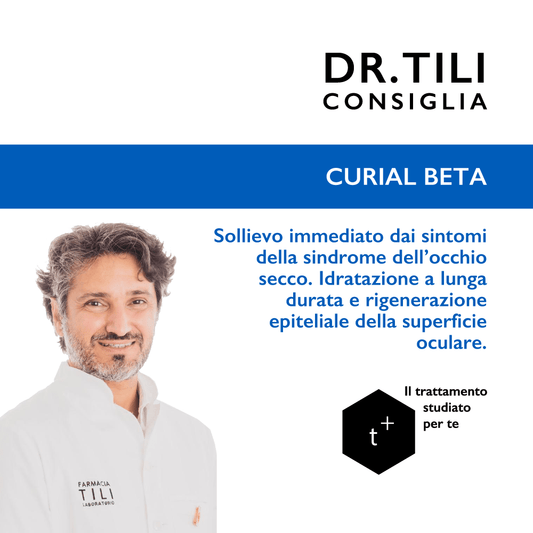
Curial βeta Dry eye supplement 30 capsules Dr.Tili
Vendor:TilpharmaRegular price €22,50Regular priceUnit price per€22,50Sale price €22,50 -
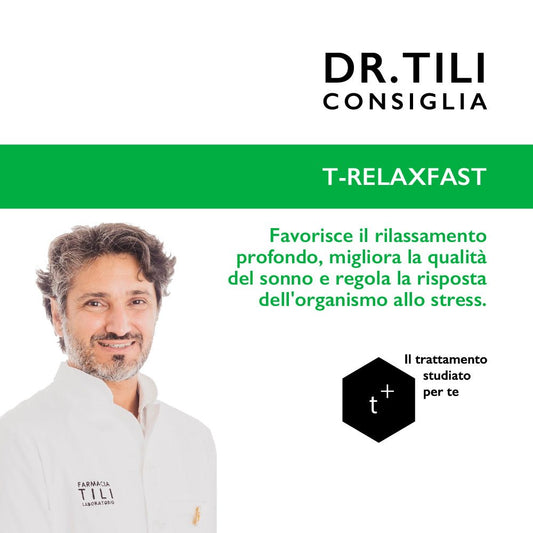
T - Relaxfast Sleep Supplement 60 Capsules Dr.Tili
Vendor:TilpharmaRegular price €24,50Regular priceUnit price per€24,50Sale price €24,50 -
Face Serum C5 Vitamin C 30ml Dr.Tili Skinlab
Vendor:TilabRegular price €62,50Regular priceUnit price per€62,50Sale price €62,50 -
Dr.Tili Skinlab E15 Vitamin E Face Serum 30ml
Vendor:TilabRegular price €32,50Regular priceUnit price per€32,50Sale price €32,50 -
Vit+ Face Vitamin Cream 50ml Dr.Tili Skinlab
Vendor:TilabRegular price €34,00Regular priceUnit price per€34,00Sale price €34,00 -
Anti-aging Facial Treatment Hyaluronic Acid IAL B3 30ml Dr.Tili Skinlab
Vendor:TilabRegular price €46,00Regular priceUnit price per€46,00Sale price €46,00 -
Body Milk Hydra Milk 200Ml. Dr.Tili Skinlab
Vendor:TilabRegular price €16,90Regular priceUnit price per€16,90Sale price €16,90 -
Facial Cleansing Milk 150ml Dr.Tili Skinlab
Vendor:TilabRegular price €18,90Regular priceUnit price per€18,90Sale price €18,90 -
Soothing Facial Toner 125ml Dr.Tili Skinlab
Vendor:TilabRegular price €14,50Regular priceUnit price per€14,50Sale price €14,50 -
Soothing Face Cream 50ml Dr.Tili Skinlab
Vendor:TilabRegular price €19,50Regular priceUnit price per€19,50Sale price €19,50










-

ASSISTANCE - TELEPHONE ORDERS
-

SHIPPING
Shipping to Italy 24/48H
Delivery also on Saturday and Sunday
Free over €49.90
Shipping to Europe 24/72H
Free over €80 -

SAFETY
The security of your data is important to us!
We strictly comply with the European GDPR regarding
Privacy and processing of personal data
The payments you make on our site are 100% safe and guaranteed -

RETURNS
Fast returns via DIY portal and 14 days to change your mind.
Immediate and free replacements for incorrect or non-compliant products delivered.


