

Servier
Daflon 30 Coated Tablets 500mg
Daflon 30 Coated Tablets 500mg
Daflon 500 is a flavonoid-based vasoprotector (diosmin and hesperidin) indicated for the symptoms of venous insufficiency , capillary fragility , and hemorrhoids . It improves venous tone , microcirculation , and lymphatic drainage , helping with swelling of the legs and ankles , varicose veins , broken capillaries , cramps, and burning.
Couldn't load pickup availability

NET WEIGHT OF THE PRODUCT
NET WEIGHT OF THE PRODUCT
30ct
EAN
EAN
023356025
MINSAN
MINSAN
023356025

INDICATIONS
Symptoms attributable to venous insufficiency; states of capillary fragility. Symptomatic treatment of acute hemorrhoidal crisis.
ACTIVE INGREDIENTS
Each film-coated tablet contains 500 mg of micronized purified flavonoid fraction consisting of 450 mg of diosmin and 50 mg of flavonoids expressed as hesperidin. For the full list of excipients, see section 6.1.
EXCIPIENTS
Sodium starch starch, microcrystalline cellulose, gelatin, glycerin, hypromellose, sodium lauryl sulphate, yellow iron oxide E172, red iron oxide E 172, titanium dioxide, macrogol 6000, magnesium stearate, talc.
CONTRAINDICATIONS AND SIDE EFFECTS
Hypersensitivity to the active substance or to any of the excipients listed in paragraph 6.1.
DOSAGE
Dosage Venous insufficiency (also of the haemorrhoidal plexus) and capillary fragility The recommended dose is 2 tablets to be taken in two doses per day. Do not exceed the maximum daily dose. Acute hemorrhoidal crisis The recommended dose is 3 tablets twice a day during the first 4 days of treatment; in the following 3 days the daily dose is 4 tablets in two administrations. Do not exceed the maximum daily dose. Method of administration Take the tablets with the two main meals. Duration of treatment Treatment must not be continued beyond 7 days. In the absence of a therapeutic response, reassess the situation.
CONSERVATION
This medicinal product does not require any special storage conditions.
WARNINGS
Important information about some excipients Daflon contains less than 1 mmol (23 mg) sodium per tablet, i.e. it is essentially 'sodium-free'.
INTERACTIONS
No interaction studies have been performed. To date, no clinically relevant drug interactions have been reported from post-marketing experience on the product.
SIDE EFFECTS
The following adverse effects or reactions have been reported and are classified according to the following frequency: very common (≥1/10); common (≥1/100, <1/10); uncommon (≥1/1,000, <1/100); rare (≥1/10,000, <1/1,000); very rare (<1/10,000), not known (frequency cannot be estimated from the available data). Nervous system disorders Rare: dizziness, headache, malaise Gastrointestinal disorders Common: diarrhoea, dyspepsia, nausea, vomiting Uncommon: colitis Not known: abdominal pain Pathologies of the skin and subcutaneous tissue Rare: rash, pruritus, urticaria Not known: edema of the face, lips, eyelid; Quincke's edema Pathologies of the blood and lymphatic system Not known: thrombocytopenia Reporting of suspected adverse reactions Reporting suspected adverse reactions that occur after authorization of the medicine is important, as it allows continuous monitoring of the risk/benefit ratio of the medicine. Healthcare professionals are asked to report any suspected adverse reactions via the national reporting system at https://www.aifa.gov.it/content/segnalazioni-reazioni-avverse.
OVERDOSE
Symptoms There is limited experience with Daflon overdose. The most frequently reported adverse events in cases of overdose were gastrointestinal events (such as diarrhea, nausea, abdominal pain) and skin events (such as pruritus, rash). Management Management of overdose should consist of treatment of clinical symptoms.
PREGNANCY AND BREASTFEEDING
Pregnancy Data relating to the use of purified micronized flavonoid fraction in pregnant women do not exist or are limited in number. Animal studies do not indicate reproductive toxicity (see section 5.3). As a precaution, it is preferable to avoid the use of Daflon during pregnancy. Breastfeeding It is not known whether the active substance/metabolites are excreted in breast milk. A risk to the newborn/infants cannot be excluded. A decision must be made whether to discontinue breast-feeding or to discontinue/abstain from Daflon therapy taking into account the benefit of breast-feeding for the child and the benefit of therapy for the woman. Fertility Reproductive toxicity studies have shown no effects on fertility in either male or female rats (see section 5.3).
EFFECTS ON DRIVING ABILITY
No studies have been conducted to evaluate the effect of the flavonoid fraction on the ability to drive or use machinery.
OUR PRODUCTS FOR THIS SEASON
-
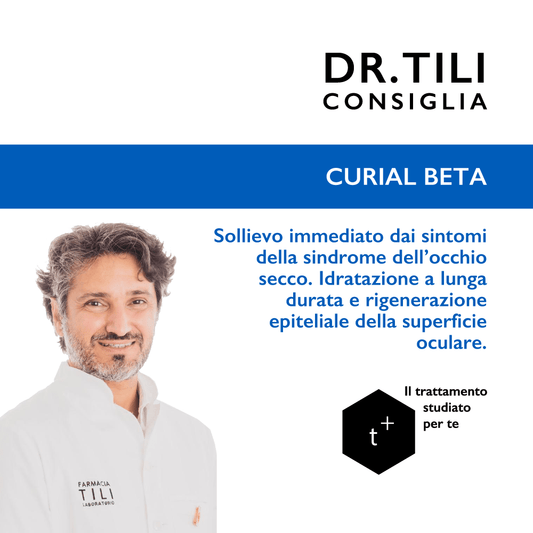
Curial βeta Dry eye supplement 30 capsules Dr.Tili
Vendor:TilpharmaRegular price €22,50Regular priceUnit price per€22,50Sale price €22,50 -
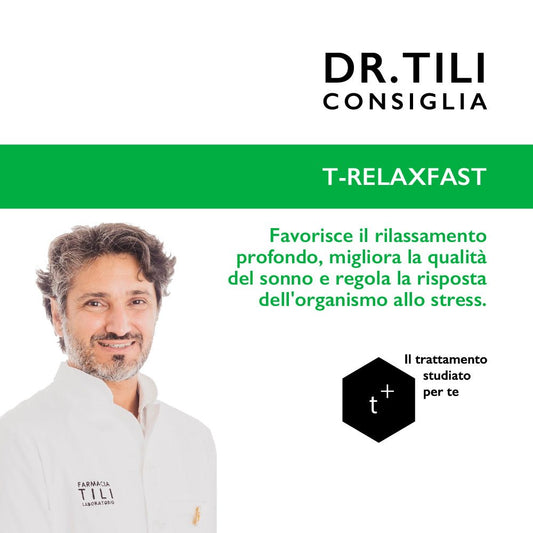
T - Relaxfast Sleep Supplement 60 Capsules Dr.Tili
Vendor:TilpharmaRegular price €24,50Regular priceUnit price per€24,50Sale price €24,50 -
Face Serum C5 Vitamin C 30ml Dr.Tili Skinlab
Vendor:TilabRegular price €62,50Regular priceUnit price per€62,50Sale price €62,50 -
Dr.Tili Skinlab E15 Vitamin E Face Serum 30ml
Vendor:TilabRegular price €32,50Regular priceUnit price per€32,50Sale price €32,50 -
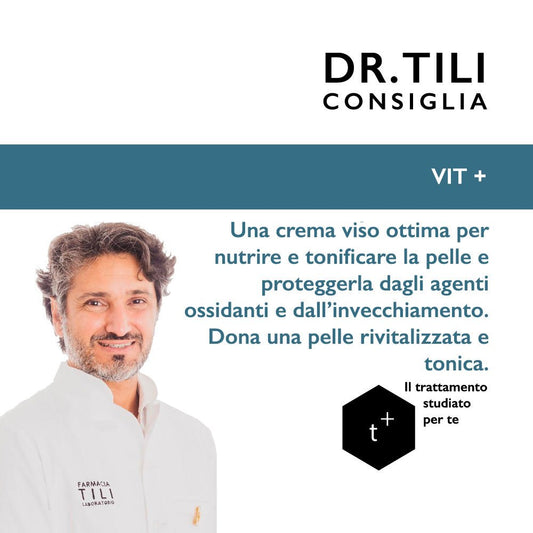
Vit+ Face Vitamin Cream 50ml Dr.Tili Skinlab
Vendor:TilabRegular price €34,00Regular priceUnit price per€34,00Sale price €34,00 -
Anti-aging Facial Treatment Hyaluronic Acid IAL B3 30ml Dr.Tili Skinlab
Vendor:TilabRegular price €46,00Regular priceUnit price per€46,00Sale price €46,00 -
Body Milk Hydra Milk 200Ml. Dr.Tili Skinlab
Vendor:TilabRegular price €16,90Regular priceUnit price per€16,90Sale price €16,90 -
Facial Cleansing Milk 150ml Dr.Tili Skinlab
Vendor:TilabRegular price €18,90Regular priceUnit price per€18,90Sale price €18,90 -
Soothing Facial Toner 125ml Dr.Tili Skinlab
Vendor:TilabRegular price €14,50Regular priceUnit price per€14,50Sale price €14,50 -
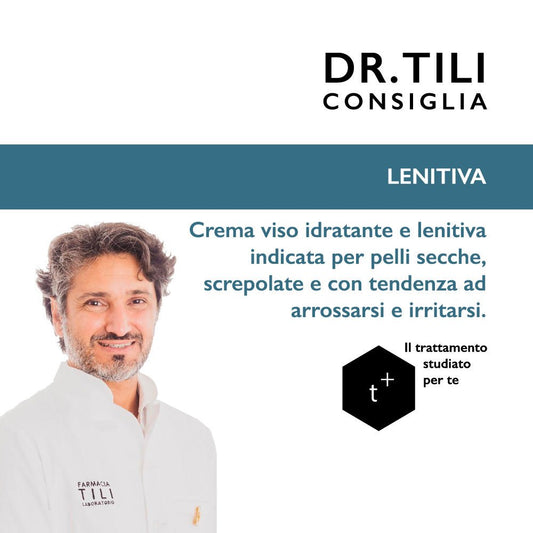
Soothing Face Cream 50ml Dr.Tili Skinlab
Vendor:TilabRegular price €19,50Regular priceUnit price per€19,50Sale price €19,50









-

ASSISTANCE - TELEPHONE ORDERS
-

SHIPPING
Shipping to Italy 24/48H
Delivery also on Saturday and Sunday
Free over €49.90
Shipping to Europe 24/72H
Free over €80 -

SAFETY
The security of your data is important to us!
We strictly comply with the European GDPR regarding
Privacy and processing of personal data
The payments you make on our site are 100% safe and guaranteed -

RETURNS
Fast returns via DIY portal and 14 days to change your mind.
Immediate and free replacements for incorrect or non-compliant products delivered.


