

Bayer
Canesten 1% 30g cream
Canesten 1% 30g cream
Canesten 1% cream 30 g is a clotrimazole -based antifungal indicated for the treatment of skin fungal infections and skin folds, such as athlete's foot , cutaneous candidiasis , tinea corporis , and pityriasis versicolor . The cream absorbs quickly, relieves itching, redness, and flaking, and offers targeted action against skin fungi , ideal for hairless and sensitive areas.
Couldn't load pickup availability

NET WEIGHT OF THE PRODUCT
NET WEIGHT OF THE PRODUCT
30g
EAN
EAN
022760019
MINSAN
MINSAN
022760019
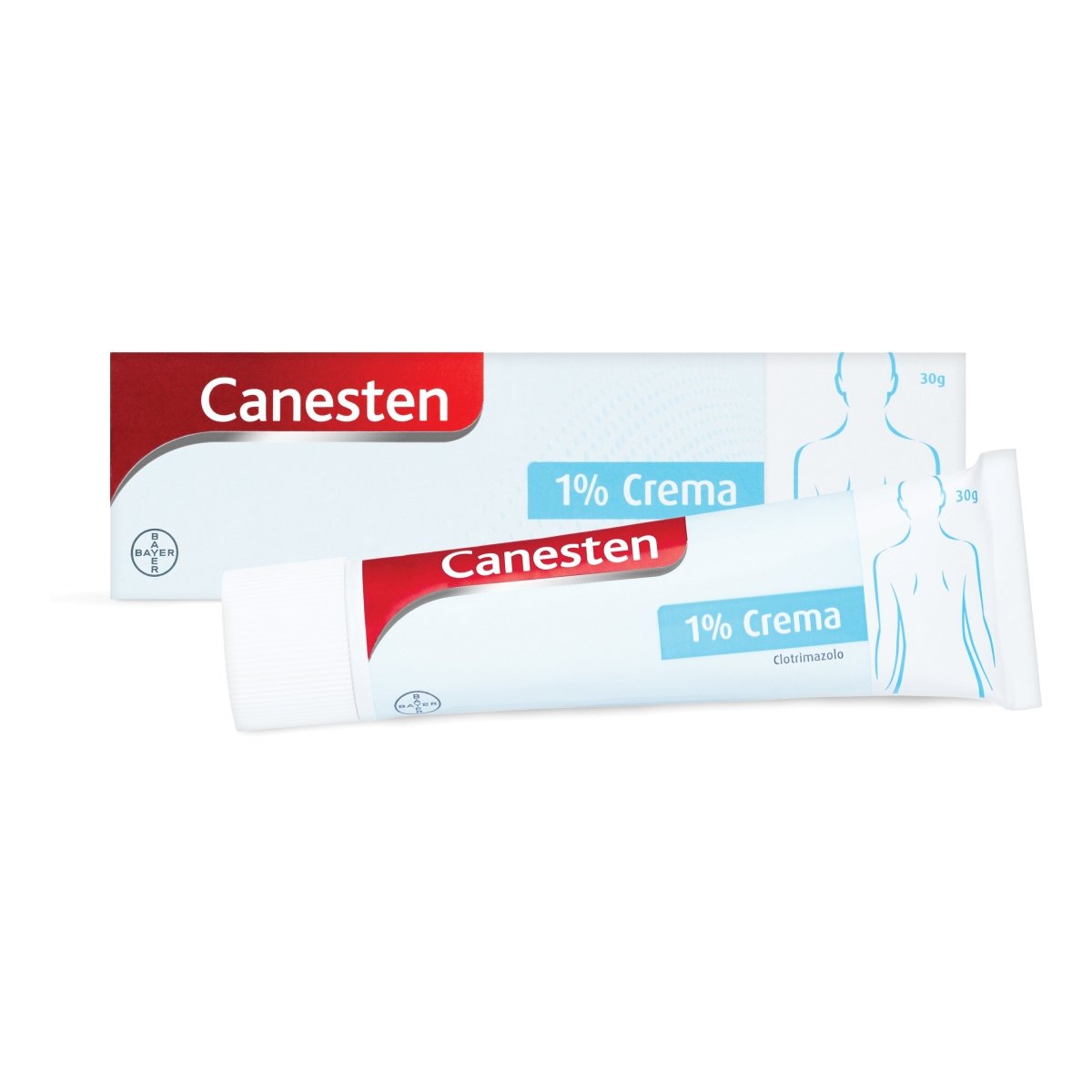
Canesten 1% 30 g cream it's one antifungal cream based on clotrimazole, an active ingredient known for its effectiveness in the treatment of skin mycosis and skin folds. This product is particularly suitable for fighting skin infections caused by fungi and yeasts, such as cutaneous candidiasis, tinea pedis (athlete's foot), tinea corporis e pityriasis versicolor. Its specific formulation allows it to act directly on the affected area, promoting a rapid reduction of symptoms such as itching, redness and flaking.
Canesten cream it applies easily and is quickly absorbed by the skin, offering immediate relief and targeted action against skin fungi. Thanks to the presence of cetostearyl alcohol e benzyl alcohol, the cream guarantees a pleasant texture and good skin tolerability. It is ideal for treatment of hairless areas (hairless) and can also be used on sensitive areas, ensuring effective and localized action.
Choose Canesten 1% cream means to rely on a antifungal of proven effectiveness, recommended for treatment of mycosis most common and of skin infections of fungal origin. The 30 g package is practical and suitable for both localized treatments and complete therapeutic cycles, offering a safe and reliable solution for the health of your skin.
INDICATIONS
Why is Canesten 1% 30 g cream used? What is it for?
Cream and skin spray solution Mycosis of the skin and skin folds, such as pityriasis versicolor, cutaneous candidiasis, tinea pedis or athlete's foot, tinea corporis. Skin powder Topical treatment of moist mycoses of the skin and skin folds especially if located in covered or poorly ventilated areas (for example: tinea pedis or athlete's foot, tinea cruris, tinea inguinalis).
ACTIVE INGREDIENTS AND EXCIPIENTS
What is the composition of Canesten 1% 30 g cream?
Composition
Canesten 1% cream 100 g contain: active ingredient clotrimazole: 1 g. Excipients with known effects: cetostearyl alcohol, benzyl alcohol. Canesten 1% skin spray, solution 100 ml contain: active ingredient clotrimazole: 1 g. Excipient with known effects: propylene glycol. Canesten 1% skin powder 100 g of powder contains: active ingredient clotrimazole: 1 g. For the complete list of excipients.
Excipients
Canesten 1% cream: sorbitan stearate; polysorbate 60; cetyl palmitate; cetostearyl alcohol; octyldodecanol; benzyl alcohol; purified water. Canesten 1% skin spray, solution in multidose container with dosing pump: macrogol 400; isopropanol; propylene glycol. Canesten 1% skin powder: rice starch.
DOSAGE
How is Canesten 1% 30 g cream taken?
Crema Canesten cream should be applied in small quantities 2-3 times a day to the affected area, rubbing lightly, after having carefully washed and dried the area. Half a cm of cream is enough to treat a surface the size of a hand. The cream is electively indicated for the treatment of glabrous (hairless) skin areas. Solution skin spray The solution skin spray is useful for the treatment of skin areas covered by hair and in correspondence with skin folds. It is also suitable for application on large areas of the body (back, abdomen, chest). Canesten skin spray solution should be sprayed evenly on the area to be treated 2 times a day. Skin powder Canesten powder should be applied 2-3 times a day, after having carefully washed and dried the affected area. For athlete's foot, it is recommended to also sprinkle the inside of socks and shoes with Canesten powder. Generally, for the disappearance of the manifestations, a period of treatment without interruption of three to four weeks is sufficient. In order to consolidate the therapeutic results obtained and avoid reinfections, it is advisable to continue therapy with Canesten for at least two weeks after the disappearance of the symptoms.
CONTRAINDICATIONS AND SIDE EFFECTS
When should Canesten 1% 30 g cream not be used and what side effects can it cause?
Contraindications
Hypersensitivity to the active substance or to any of the excipients (see the section "What is the composition of Canesten 1% 30 g cream?").
Side effects
The following adverse reactions have been identified since the approval of clotrimazole. Since these reactions derive from spontaneous reports from a population of uncertain size, the frequency cannot be defined on the basis of the available data. Immune system disorders: angioedema, anaphylactic reaction, hypersensitivity Vascular pathologies: hypotension, syncope. Respiratory, thoracic and mediastinal disorders: dyspnoea Skin and subcutaneous tissue disorders: blisters, contact dermatitis, erythema, paraesthesia, peeling of the skin, itching, rash, urticaria, stinging skin pain, burning sensation of the skin. Systemic disorders and conditions relating to the administration site: application site irritation, application site reaction, edema, pain. Reporting of suspected adverse reactions. Reporting suspected adverse reactions that occur after authorization of the medicine is important, as it allows continuous monitoring of the benefit/risk balance of the medicine. Healthcare professionals are asked to report any suspected adverse reaction via the national reporting system of the Italian Medicines Agency Website: https://www.aifa.gov.it/content/segnalazioni-reazioni-avverse.
INTERACTIONS
Which medicines or foods can change the effect of Canesten 1% 30 g cream?
No notes
PREGNANCY AND BREASTFEEDING
Can Canesten 1% 30 g cream be used during pregnancy and breastfeeding?
Fertility No studies have been conducted in humans on the effects of clotrimazole on fertility; however, animal studies have shown no effects of the drug on fertility. Pregnancy Clinical data in pregnant women are limited, animal studies do not demonstrate direct or indirect harmful effects in terms of reproductive toxicity (see Preclinical safety data). Clotrimazole can be used during pregnancy. However, during the first trimester of pregnancy, it is recommended to start treatment only under medical supervision. Breastfeeding No data are available on the excretion of clotrimazole in breast milk. However, systemic absorption is minimal following topical administration and systemic effects are unlikely to occur. Clotrimazole can be used during breastfeeding. If used topically on the nipple area, wash the breast before feeding the baby.
WARNINGS
What are the warnings of Canesten 1% 30 g cream?
Warnings and precautions
Avoid contact with eyes. Do not ingest. The use, especially if prolonged, of products for topical use can give rise to sensitization phenomena. In this case, you must stop treatment and consult your doctor or pharmacist. In diaper rash, the use of diapers with an occlusive effect after applying the drug is not recommended. In case of relapses, consult your doctor. After three to four weeks of continuous use without appreciable results, consult your doctor. Canesten skin spray solution: avoid spraying in the eyes. Important information on some excipients Canesten cream contains: • cetostearyl alcohol which can cause local skin reactions (e.g. contact dermatitis); • 20 mg/g of benzyl alcohol: - may cause allergic reactions; - may cause mild local irritation. Canesten Spray 1% cutaneous solution (multidose container with dosing pump) contains 546 mg/ml of propylene glycol: - may cause skin irritation. Because this medicine contains propylene glycol, do not use it on open wounds or large areas of damaged skin (such as burns) without talking to your doctor or pharmacist.
Overdose
No risk of acute intoxication is expected since it is unlikely to occur after a single topical application of an overdose (extended application in conditions favorable to absorption) or through involuntary oral intake. There is no specific antidote.
Driving vehicles and using machinery
The drug does not or negligibly alters the ability to drive or use machinery.
CONSERVATION
How is Canesten 1% 30 g cream stored?
This medicinal product does not require any special storage conditions.
FORMAT
What is the format of Canesten 1% 30 g cream?
30 gDRUG LEGAL TEXT
Content responsibility
This sheet contains information that is not intended to replace a doctor's diagnosis or advice, as only the doctor can draw up any prescription and give therapeutic indications. All contents must be understood and are of an exclusively informative nature and aimed exclusively at bringing to the attention of customers or potential customers in the pre-purchase phase of the products sold through this site. In case of pathologies, disorders or allergies it is always best to consult your doctor first.
Please note
The product names, ingredients and percentages indicated in the descriptions are purely indicative and may be subject to changes or updates by the manufacturing companies. Due to the impossibility of adapting to these updates in real time, the photos and technical information of the products included on Dottortili.com may differ from those shown on the label or otherwise disseminated by the manufacturing companies. The only identification element appears to be the ministerial code MINSAN. The online pharmacy Dottortili.com does not guarantee the truthfulness and timeliness of the information published and declines any responsibility for any errors, omissions or failure to update the same. Dottortili.com assumes no responsibility for damages of any nature that may arise from access to the information published.
Data source: Farmadati Italia
Website: www.farmadati.it
The Farmadati Italia database is used by almost all pharmacies, parapharmacies, herbalist shops, health shops, large-scale retail trade, computerized doctors, etc. thanks to the guarantee of historical reliability, seriousness and professionalism of the company on the national territory.
The Farmadati Italia S.r.l management system complies with the requirements of the UNI EN ISO 9001:2015 standards for quality management systems and UNI CEI ISO/IEC 27001:2017 for information security management systems.
OUR PRODUCTS FOR THIS SEASON
-
Curial βeta Dry eye supplement 30 capsules Dr.Tili
Vendor:TilpharmaRegular price €22,50Regular priceUnit price per€22,50Sale price €22,50 -
T - Relaxfast Sleep Supplement 60 Capsules Dr.Tili
Vendor:TilpharmaRegular price €24,50Regular priceUnit price per€24,50Sale price €24,50 -
Face Serum C5 Vitamin C 30ml Dr.Tili Skinlab
Vendor:TilabRegular price €62,50Regular priceUnit price per€62,50Sale price €62,50 -
Dr.Tili Skinlab E15 Vitamin E Face Serum 30ml
Vendor:TilabRegular price €32,50Regular priceUnit price per€32,50Sale price €32,50 -
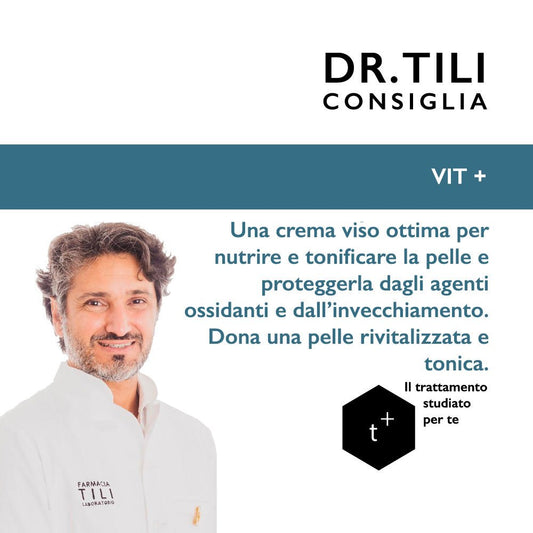
Vit+ Face Vitamin Cream 50ml Dr.Tili Skinlab
Vendor:TilabRegular price €34,00Regular priceUnit price per€34,00Sale price €34,00 -
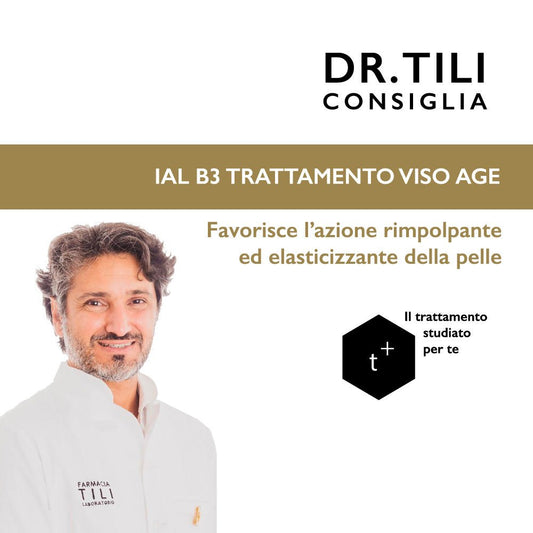
Anti-aging Facial Treatment Hyaluronic Acid IAL B3 30ml Dr.Tili Skinlab
Vendor:TilabRegular price €46,00Regular priceUnit price per€46,00Sale price €46,00 -
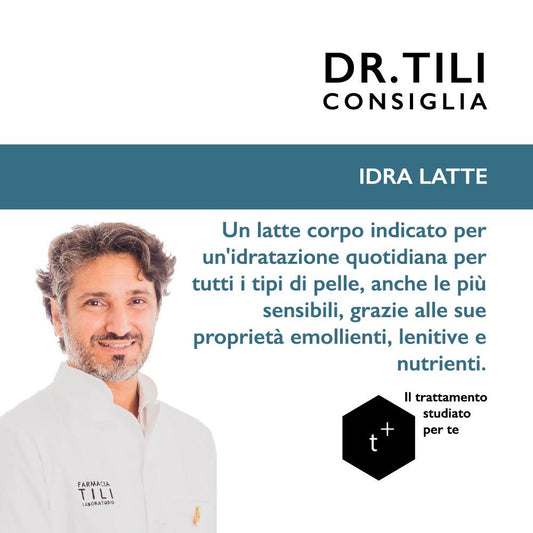
Body Milk Hydra Milk 200Ml. Dr.Tili Skinlab
Vendor:TilabRegular price €16,90Regular priceUnit price per€16,90Sale price €16,90 -
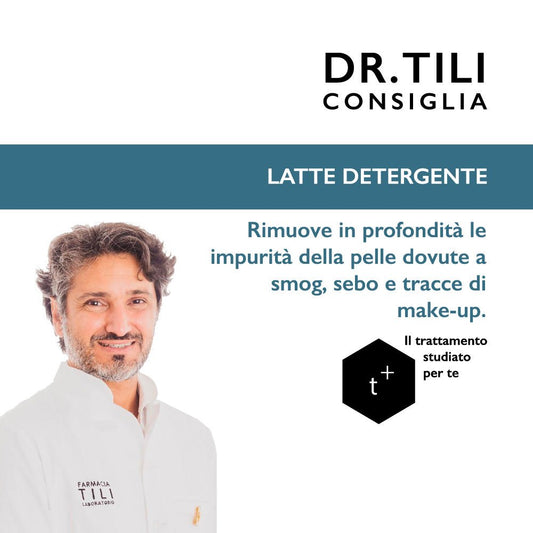
Facial Cleansing Milk 150ml Dr.Tili Skinlab
Vendor:TilabRegular price €18,90Regular priceUnit price per€18,90Sale price €18,90 -
Soothing Facial Toner 125ml Dr.Tili Skinlab
Vendor:TilabRegular price €14,50Regular priceUnit price per€14,50Sale price €14,50 -
Soothing Face Cream 50ml Dr.Tili Skinlab
Vendor:TilabRegular price €19,50Regular priceUnit price per€19,50Sale price €19,50













-

ASSISTANCE - TELEPHONE ORDERS
-

SHIPPING
Shipping to Italy 24/48H
Delivery also on Saturday and Sunday
Free over €49.90
Shipping to Europe 24/72H
Free over €80 -

SAFETY
The security of your data is important to us!
We strictly comply with the European GDPR regarding
Privacy and processing of personal data
The payments you make on our site are 100% safe and guaranteed -

RETURNS
Fast returns via DIY portal and 14 days to change your mind.
Immediate and free replacements for incorrect or non-compliant products delivered.


