

Viatris Healthcare
Betadine 10% cutaneous solution 500ml
Betadine 10% cutaneous solution 500ml
Betadine 10% skin solution 500ml is a povidone-iodine- based disinfectant , indicated for cleaning and disinfecting damaged skin such as superficial wounds and small bedsores . It guarantees a broad-spectrum antiseptic action and forms a brown protective film that does not stain, offering effective protection against infections .
Couldn't load pickup availability

NET WEIGHT OF THE PRODUCT
NET WEIGHT OF THE PRODUCT
500ml
EAN
EAN
023907280
MINSAN
MINSAN
023907280

INDICATIONS
Disinfection and cleaning of damaged skin (small superficial wounds, bedsores with limited involvement of the epidermis).
ACTIVE INGREDIENTS
Betadine 10% cutaneous solution 100 ml contain: Active ingredient: Povidone iodine (10% iodine) g 10 For the complete list of excipients, see section 6.1.
EXCIPIENTS
Betadine 10% cutaneous solution: Glycerol, Macrogol lauryl ether, Dibasic sodium phosphate dihydrate, Citric acid monohydrate, Sodium hydroxide, Purified water.
CONTRAINDICATIONS AND SIDE EFFECTS
Hypersensitivity to the active substance or to any of the excipients listed in paragraph 6.1. Hyperthyroidism Do not use in children under six months of age.
DOSAGE
Betadine 10% cutaneous solution: It is applied 2 times a day directly on small wounds and skin infections. A quantity of 5 ml of solution (containing 50 mg of iodine) is sufficient to treat an area of approximately 15 cm on each side. For skin antisepsis: apply a protective layer of the brown solution until a medium intensity color is obtained: a non-staining surface film is formed.
CONSERVATION
Betadine 10% cutaneous solution: Store at a temperature not exceeding 25°C
WARNINGS
For external use only. This medicine must not be applied to severely damaged skin and large surfaces. Do not use for prolonged treatments: use, especially if prolonged, may give rise to sensitization phenomena. In this case, treatment should be discontinued and a clinical evaluation performed. Particular caution should be used in patients with pre-existing renal insufficiency who require regular applications of Betadine on damaged skin (see section 5.2). Patients with goiter, thyroid nodules, or other acute and non-acute thyroid conditions are at risk of developing thyroid hyperfunction (hyperthyroidism) following administration of large amounts of iodine. In this patient population, povidone iodine solution should not be used for a prolonged period of time and on large body surfaces. Even after the end of treatment, it is necessary to look for early symptoms of possible hyperthyroidism and monitor thyroid function. Do not use at least 10 days before performing a scan or after a radioactive iodine scan or in the treatment of thyroid cancer with radioactive iodine. The pediatric population is at greater risk of developing hypothyroidism following applications of high doses of iodine. Due to the permeability of the skin and their high sensitivity to iodine, the use of povidone iodine should be reduced to the bare minimum in children. A check of the child's thyroid function (for example T4 and TSH levels) may be necessary. Any oral ingestion of povidone iodine by the child should be avoided. In pediatric age use only under strict supervision and in cases of actual need. Accidental ingestion or inhalation of some disinfectants can have serious, sometimes fatal consequences. Avoid contact with eyes.
INTERACTIONS
Avoid the simultaneous use of other antiseptics and detergents. The polyvinylpyrrolidone-iodine complex is effective at pH values between 2.0 and 7.0. It is possible that the complex reacts with proteins or other unsaturated organic compounds, and this leads to a reduction in its effectiveness. The concomitant use of preparations with enzymatic components for the treatment of wounds leads to a weakening of the effects of both substances. Povidone iodine should not be used simultaneously with products containing mercury salts or benzoin compounds, carbonates, tannic acid, alkali, hydrogen peroxide, taurolidine and silver. The use of povidone iodine-containing products concomitantly with other octedin-containing antiseptics in the same or adjacent sites may cause temporary dark discoloration of the affected areas. The oxidative effect of povidone iodine preparations can cause false positive results of some laboratory diagnostic tests (for example tests with toluidine or guaiac gum for the determination of hemoglobin or glucose in feces or urine). Avoid habitual use in patients receiving concomitant treatment with lithium. Absorption of iodine from povidone iodine solution may reduce thyroid iodine uptake. This may interfere with various tests (thyroid scan, determination of iodine-binding proteins, radioactive iodine diagnostics) and may make planned treatment of the thyroid with iodine (radioactive iodine therapy) impossible. After the end of treatment, an adequate period of time must pass before performing a new scan.
SIDE EFFECTS
Undesirable effects are classified according to their frequency: Very common (≥ 1/10) Common (> 1/100 to < 1/10) Uncommon (≥ 1/1,000 to < 1/100) Rare (≥ 1/10,000 to < 1/1,000) Very rare (< 1/10,000) Not known (frequency cannot be estimated from the data available) Immune system disorders Rare: Hypersensitivity Very rare: Anaphylactic reaction Endocrine disorders Very rare: Hyperthyroidism* (sometimes with symptoms such as tachycardia or agitation) Not known: Hypothyroidism *** Metabolism and nutrition disorders Not known: Electrolyte imbalance **, Metabolic acidosis ** Pathologies of the skin and subcutaneous tissue Rare: Contact dermatitis (with symptoms such as erythema, microvesicles and pruritus) Very rare: Angioedema Not known: Exfoliative dermatitis Renal and urinary disorders Not known: Acute renal failure **, Abnormal blood osmolarity ** *In patients with a history of thyroid disease (see section Warnings and special precautions for use) as a result of high iodine uptake, for example after long-term use of povidone iodine solution to treat wounds and burns on large skin areas. **May occur following the uptake of high quantities of povidone iodine (for example in the treatment of burns) ***Hypothyroidism following prolonged or extensive use of povidone iodine Reporting of suspected adverse reactions Reporting of suspected adverse reactions that occur after authorization of the medicinal product is important, as it allows continuous monitoring of the benefit/risk balance of the medicinal product. Healthcare professionals are asked to report any suspected adverse reactions via the national reporting system at: http://www.agenziafarmaco.gov.it/content/come-segnalare-una-sosp etta-reazione-avversa.
OVERDOSE
In case of overdose, whether intentional or accidental, hypothyroidism or hyperthyroidism may occur. Systemic absorption of iodine after repeated applications of the product on large wounds or severe burns may produce a number of symptoms such as: metallic taste, increased salivation, burning or stinging in the mouth and throat, irritation or swelling of the eyes, fever, skin rash, diarrhea and gastrointestinal disorders, hypotension, tachycardia, metabolic acidosis, hypernatremia, failure of renal function, pulmonary edema and shock. In case of accidental ingestion of large quantities of product, institute symptomatic and supportive treatment with particular attention to electrolyte balance and renal and thyroid function.
PREGNANCY AND BREASTFEEDING
During pregnancy and breastfeeding, povidone iodine solution should be used only if strictly necessary and at the lowest possible dose, due to the ability of iodine to cross the placenta and be secreted into breast milk and the high sensitivity of the fetus and newborn to iodine. Furthermore, iodine is more concentrated in breast milk than in serum, therefore it can cause transient hypothyroidism with an increase in TSH (thyroid stimulating hormone) in the fetus or newborn
EFFECTS ON DRIVING ABILITY
Betadine does not affect the ability to drive or use machines.
OUR PRODUCTS FOR THIS SEASON
-
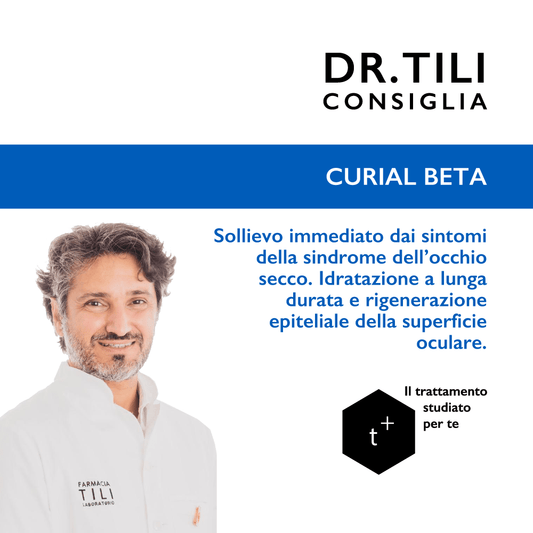
Curial βeta Dry eye supplement 30 capsules Dr.Tili
Vendor:TilpharmaRegular price €22,50Regular priceUnit price per€22,50Sale price €22,50 -
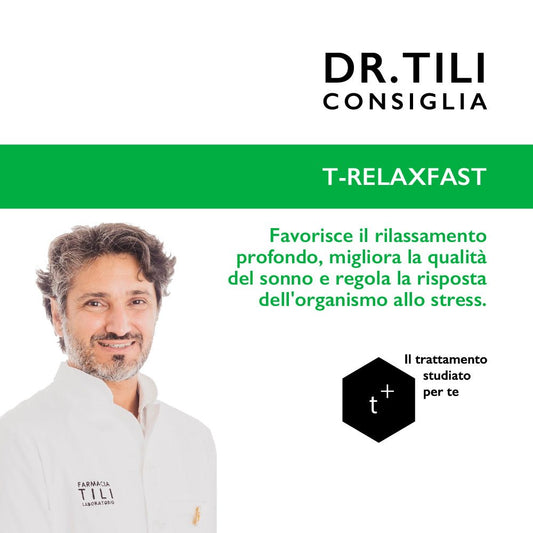
T - Relaxfast Sleep Supplement 60 Capsules Dr.Tili
Vendor:TilpharmaRegular price €24,50Regular priceUnit price per€24,50Sale price €24,50 -
Face Serum C5 Vitamin C 30ml Dr.Tili Skinlab
Vendor:TilabRegular price €62,50Regular priceUnit price per€62,50Sale price €62,50 -
Dr.Tili Skinlab E15 Vitamin E Face Serum 30ml
Vendor:TilabRegular price €32,50Regular priceUnit price per€32,50Sale price €32,50 -
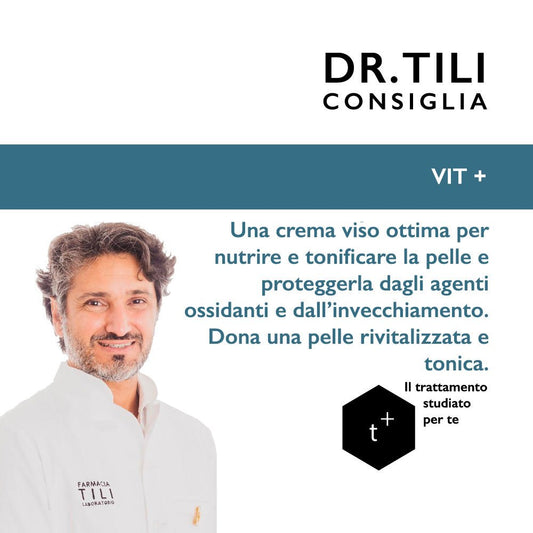
Vit+ Face Vitamin Cream 50ml Dr.Tili Skinlab
Vendor:TilabRegular price €34,00Regular priceUnit price per€34,00Sale price €34,00 -
Anti-aging Facial Treatment Hyaluronic Acid IAL B3 30ml Dr.Tili Skinlab
Vendor:TilabRegular price €46,00Regular priceUnit price per€46,00Sale price €46,00 -
Body Milk Hydra Milk 200Ml. Dr.Tili Skinlab
Vendor:TilabRegular price €16,90Regular priceUnit price per€16,90Sale price €16,90 -
Facial Cleansing Milk 150ml Dr.Tili Skinlab
Vendor:TilabRegular price €18,90Regular priceUnit price per€18,90Sale price €18,90 -
Soothing Facial Toner 125ml Dr.Tili Skinlab
Vendor:TilabRegular price €14,50Regular priceUnit price per€14,50Sale price €14,50 -
Soothing Face Cream 50ml Dr.Tili Skinlab
Vendor:TilabRegular price €19,50Regular priceUnit price per€19,50Sale price €19,50









-

ASSISTANCE - TELEPHONE ORDERS
-

SHIPPING
Shipping to Italy 24/48H
Delivery also on Saturday and Sunday
Free over €49.90
Shipping to Europe 24/72H
Free over €80 -

SAFETY
The security of your data is important to us!
We strictly comply with the European GDPR regarding
Privacy and processing of personal data
The payments you make on our site are 100% safe and guaranteed -

RETURNS
Fast returns via DIY portal and 14 days to change your mind.
Immediate and free replacements for incorrect or non-compliant products delivered.


