

Bayer
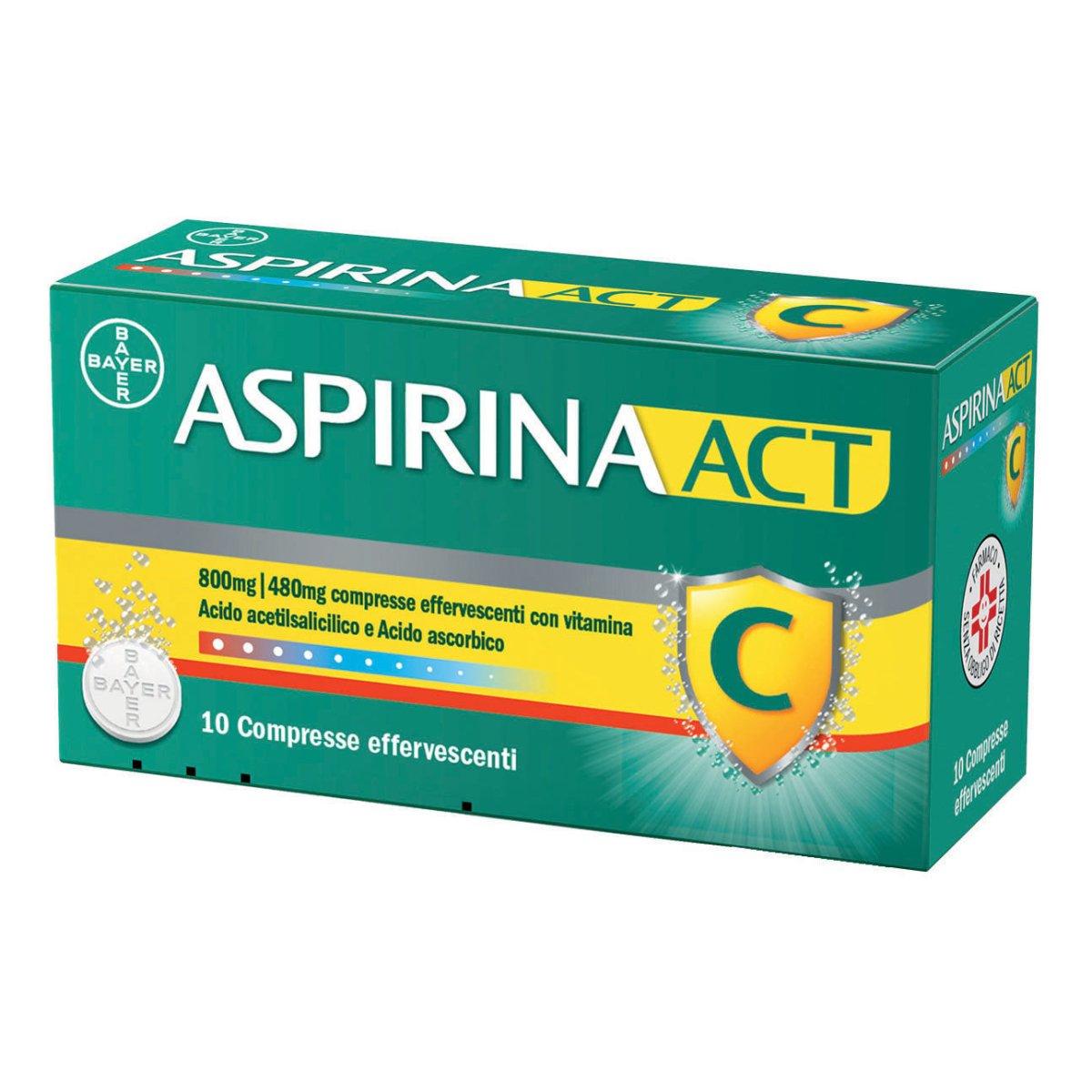
Aspirin flu and stuffy nose 500 mg + 30 mg 10 sachets granules for oral solution
Aspirin flu and stuffy nose 500 mg + 30 mg 10 sachets granules for oral solution

Aspirin for flu and stuffy nose 500 mg + 30 mg in granulated sachets is indicated for the symptomatic treatment of flu and colds with fever , pain and nasal congestion . Acetylsalicylic acid has analgesic , anti-inflammatory and antipyretic effects, while pseudoephedrine acts as a nasal decongestant . Orange-flavoured soluble granules, for adults and children aged 16 and over .
Couldn't load pickup availability

NET WEIGHT OF THE PRODUCT
NET WEIGHT OF THE PRODUCT
10ct
EAN
EAN
046967016
MINSAN
MINSAN
046967016
INDICATIONS
Symptomatic treatment of nasal and sinus congestion (rhinosinusitis) with painful and feverish states associated with flu and/or cold symptoms. Aspirin flu and stuffy nose is indicated for adults and adolescents aged 16 and over.
ACTIVE INGREDIENTS
Each sachet contains 500 mg of acetylsalicylic acid and 30 mg of pseudoephedrine hydrochloride Excipients with known effects: Each sachet contains 2g of sucrose. Each sachet contains 3.78 mg of benzyl alcohol. For the full list of excipients, see section 6.1.
EXCIPIENTS
Citric acid Sucrose Hypromellose Saccharin Orange flavor containing benzyl alcohol, acetic acid, alpha tocopherol, modified starch E1450 and maltodextrin
CONTRAINDICATIONS AND SIDE EFFECTS
- Hypersensitivity to pseudoephedrine, acetylsalicylic acid or other salicylates, or to any of the excipients listed in paragraph 6.1; - History of asthma induced by the administration of salicylates or substances with a similar action, in particular non-steroidal anti-inflammatory drugs; - Acute gastrointestinal ulcers; - Hemorrhagic diathesis; - Pregnancy; - Breastfeeding; - Severe liver failure; - Severe renal failure; - Severe heart failure; - In combination with methotrexate used in doses of 15 mg/week or higher (see section 4.5); - Severe hypertension; - Severe coronary artery disease; - Treatment with monoamine oxidase inhibitor medicinal products in the previous two weeks. - Narrow angle glaucoma - Urinary retention
DOSAGE
Dosage The contents of 1-2 sachets for adults and adolescents from 16 years. If necessary, the single dose can be repeated after a period of at least 4 hours. Do not exceed the maximum daily dose of 6 sachets. If one of the symptoms prevails, treatment with a single active ingredient is more appropriate. Aspirin flu and stuffy nose should not be taken for more than 3 days without first consulting a doctor. Pediatric population Aspirin flu and stuffy nose should not be taken by children and adolescents under the age of 16 without consulting your doctor. Given the limited experience of using Aspirin for flu and stuffy nose in children and adolescents, it is not possible to indicate a specific recommended dose. Patients with impaired hepatic function Acetylsalicylic acid should be used with caution in patients with impaired hepatic function (see section 4.4) Patients with impaired renal function Acetylsalicylic acid should be used with caution in patients with impaired renal function or impaired cardiovascular circulation (see section 4.4.) Method of administration Aspirin flu and stuffy nose must be dissolved in a glass of water before taking. The suspension that forms has an orange flavour.
CONSERVATION
Do not store above 30°C.
WARNINGS
- Concomitant treatment with anticoagulants (see section 4.5); - History of gastrointestinal ulcers including chronic or relapsing ulcer disease or history of gastrointestinal bleeding; - Patients with impaired renal function or impaired cardiovascular function (e.g. renal vascular disease, congestive heart failure, volume depletion, major surgery, sepsis or major bleeding events), as the medicinal product may further increase the risk of renal damage and acute renal failure; - Impaired liver function; - Renal tubular acidosis due to accumulation of pseudoephedrine and increased risk of side effects - Hypersensitivity to analgesics / anti-inflammatory or antirheumatic drugs or other allergens; - Hyperthyroidism, mild to moderate hypertension, diabetes mellitus, ischemic heart disease, elevated intraocular pressure (glaucoma), prostatic hypertrophy, or sensitivity to sympathomimetic agents; - Elderly patients may be particularly sensitive to the effects of pseudoephedrine on the central nervous system. Acetylsalicylic acid may accelerate bronchospasm and induce asthma attacks or other hypersensitivity reactions. The following existing conditions represent risk factors: bronchial asthma, allergic rhinitis (hay fever), nasal polyps or chronic respiratory disease. This also applies to patients who have allergic reactions (e.g. skin reactions, itching, hives) to other substances. Given its inhibitory effect on platelet aggregation which continues for several days after administration, acetylsalicylic acid may lead to an increased tendency for the development of bleeding during and after surgical procedures (including minor procedures such as tooth extractions). In limited doses, acetylsalicylic acid reduces the excretion of uric acid. This can cause gout in patients who already tend to have limited uric acid excretion. Habitual use of analgesics (particularly the combination of several analgesic medicines) can permanently damage the kidneys (analgesic nephropathy). One sachet of Aspirin flu and stuffy nose contains 2 g of sucrose (the equivalent of 0.17 carbohydrate units). This must be taken into consideration in patients with diabetes mellitus. Patients with rare hereditary problems of fructose intolerance, glucose-galactose malabsorption or sucrase-isomaltase insufficiency should not take this medicine. Aspirin flu and stuffy nose contains 3.78 mg of benzyl alcohol in each sachet. Benzyl alcohol can cause allergic reactions. Patients with liver or kidney disease should contact their doctor, since large quantities of benzyl alcohol can cause metabolic acidosis. In patients with severe glucose-6-phosphate dehydrogenase (G6DP) deficiency, acetylsalicylic acid may induce hemolysis or hemolytic anemia. Factors that may increase the risk of hemolysis are, for example, high dosage, influenza or acute infections. Severe skin reactions Serious skin reactions such as acute generalized exanthematous pustulosis (AGEP) may occur with products containing pseudoephedrine. This acute pustular eruption may occur within the first 2 days of treatment, with fever and numerous, small, mostly non-follicular pustules resulting from a widespread edematous erythema and localized mainly on the skin folds, trunk and upper limbs. Patients should be carefully monitored. If signs and symptoms such as pyrexia, erythema or numerous small pustules are observed, the administration of Aspirin flu and stuffy nose should be stopped and appropriate measures should be taken if necessary. Ischemic colitis There have been reports of ischemic colitis with the use of pseudoephedrine. Use of pseudoephedrine should be discontinued immediately and medical advice should be sought if abdominal pain, rectal bleeding or other symptoms of ischemic colitis suddenly occur. Ischemic optic neuropathy Cases of ischemic optic neuropathy have been reported with pseudoephedrine. Pseudoephedrine should be discontinued if sudden loss of vision or reduction in visual acuity occurs, for example in the case of a scotoma. Athletes should be aware that by taking this drug they may test positive for anti-doping.Pediatric population There is a possible association between acetylsalicylic acid and Reye's syndrome, when administered to children and adolescents for the treatment of viral infections, with or without influenza. For this reason, Aspirin flu and stuffy nose should not be taken by children and adolescents under the age of 16 without consulting your doctor.
INTERACTIONS
Contraindicated combinations (see section 4.3): Methotrexate used at doses of 15 mg/week. or higher: Increased haematological toxicity of methotrexate (decrease in renal clearance of methotrexate by anti-inflammatory agents in general and dislocation of methotrexate from binding sites with plasma proteins caused by salicylates). Monoamine oxidase inhibitors (MAOIs), in the previous 2 weeks, increase the risk of adverse cardiovascular events (e.g. arrhythmia, hypertensive crisis). Combinations that require precautions for use: Methotrexate, used at doses lower than 15 mg/week: Increased haematological toxicity of methotrexate (decrease in renal clearance of methotrexate due to anti-inflammatory agents in general and dislocation of methotrexate from binding sites with plasma proteins caused by salicylates). Anticoagulants, thrombolytics or other inhibitors of platelet aggregation/haemostasis: Increased risk of haemorrhage. Other non-steroidal anti-inflammatory drugs with salicylates: Increased risk of ulcers and gastrointestinal bleeding due to synergistic effect. Selective serotonin reuptake inhibitors (SSRIs): Increased risk of upper gastrointestinal bleeding due to possible synergistic effect. Digoxin: Plasma concentrations of digoxin are increased due to reduced excretion of this agent by the kidneys. Antidiabetics, e.g. insulin, sulfonylureas: Increased hypoglycemic effect caused by high doses of acetylsalicylic acid through the hypoglycemic action of the latter and the dislocation of the sulfonylurea from the binding sites with plasma proteins. Diuretics in combination with acetylsalicylic acid: Reduction of glomerular filtration due to the limitation of the synthesis of prostaglandins at the kidney level. Systemic glucocorticoids, except hydrocortisone used as replacement therapy in Addison's disease: Reduction in blood levels of salicylates during treatment with corticosteroids and risk of salicylate overdose after discontinuation of this treatment due to increased elimination of salicylates by corticosteroids. Angiotensin converting enzyme (ACE) inhibitors in combination with acetylsalicylic acid: Reduction of glomerular filtration caused by inhibition of vasodilatory prostaglandins. Furthermore, limitation of the antihypertensive effect. Valproic acid: Increased toxicity of valproic acid due to dislocation from protein binding sites. Alcohol: Increased damage to the gastrointestinal mucosa and prolonged bleeding time due to the additive effects of acetylsalicylic acid and alcohol. Uricosurics such as benzbromarone, probenecid: Limitation of the uricosuric effect (antagonism with the elimination of uric acid at the level of the renal tubules). Salbutamol tablets: Increased effects (worsening cardiovascular side effects); this does not preclude the judicious use of an adrenergic bronchodilator aerosol. Antidepressants: Increased effects. Other sympathomimetic medicinal products: Increased effects. Medicines against hypertension, such as guanethidine, methyldopa, beta blockers: Reduction of effects.
SIDE EFFECTS
Frequencies: not known (cannot be estimated from available data). Possible side effects of acetylsalicylic acid: Immune system disorders Hypersensitivity reactions, with their respective clinical and laboratory manifestations, include respiratory disease exacerbated by acetylsalicylic acid, mild to moderate reactions potentially affecting the skin, respiratory tract, gastrointestinal tract and cardiovascular system, which include symptoms such as rash, urticaria, edema, pruritus, rhinitis, nasal congestion, cardiorespiratory distress and, very rarely, serious reactions, including anaphylactic shock. Gastrointestinal disorders Gastroduodenal disorders (gastralgia, dyspepsia, gastritis); Nausea, vomiting, diarrhea; Gastrointestinal ulcers, which can lead to perforation in isolated cases. Disease of the intestinal diaphragms (especially in long-term treatment). Hepatobiliary disorders Transient hepatic impairment with increased transaminases. Blood and lymphatic system disorders Increased risk of bleeding, haemorrhage such as procedural haemorrhage, haematomas, epistaxis, urogenital haemorrhage and gum bleeding. Hemolysis and hemolytic anemia have been reported in patients with severe forms of glucose-6-phosphate dehydrogenase (G6PD) deficiency; Hemorrhage can cause hemorrhagic anemia/iron deficiency anemia (e.g. due to occult microbleeds) with related clinical and laboratory signs and symptoms, such as asthenia, pallor, hypoperfusion. Nervous system disorders Overdose may cause dizziness. Ear and labyrinth disorders Overdose may cause tinnitus. Renal and urinary tract disorders Renal damage and acute renal failure have been reported. Possible side effects of pseudoephedrine: Vascular disorders Redness; Increased blood pressure, although not affecting controlled hypertension. Cardiac disorders Cardiac effects (e.g. tachycardia, palpitations, arrhythmias). Nervous system disorders Central nervous system stimulation (e.g. insomnia, rarely hallucinations). Kidney and urinary tract disorders Urinary retention, especially in patients with prostatic hyperplasia. Skin and subcutaneous tissue disorders Effects on the skin (e.g. rash, urticaria, itching). Severe skin reactions, including acute generalized exanthematous pustulosis (AGEP). Gastrointestinal disorders Ischemic colitis. Dry mouth. Eye disorders. Ischemic optic neuropathy. Reporting of suspected adverse reactions Reporting suspected adverse reactions that occur after authorization of the medicine is important, as it allows continuous monitoring of the benefit/risk balance of the medicine. Healthcare professionals are asked to report any suspected adverse reactions via the national reporting system https://www.aifa.gov.it/content/segnalazioni-reazioni-avverse
OVERDOSE
Acetylsalicylic acid: There is a difference between chronic overdose, which mainly causes central nervous system disorders ("salicylism"), and acute intoxication, which essentially manifests itself through a serious imbalance in the acid-base balance. In addition to acid-base and electrolyte imbalances (e.g., potassium loss), hypoglycemia, skin rashes, and gastrointestinal bleeding, symptoms may include hyperventilation, tinnitus, nausea, vomiting, decreased vision and hearing, headache, dizziness, and confusion. In severe poisoning, delirium, tremor, dyspnea, sweating, dehydration, hyperthermia and coma may occur. In poisonings with lethal consequences, death occurs due to respiratory failure. Pseudoephedrine: Abnormal sympathomimetic reactions may occur, e.g. tachycardia, chest pain, agitation, hypertension, breathlessness, shortness of breath, convulsions, hallucinations, following intoxication. The methods used to treat Aspirin poisoning, flu and stuffy nose depend on the extent, stage and clinical symptoms of the poisoning. They correspond to the measures usually adopted to reduce the absorption of an active ingredient: accelerating excretion, monitoring water and electrolyte balance, disturbances in temperature regulation, breathing and cardiovascular and brain functions. Immediate medical intervention is essential, even in the absence of obvious symptoms.
PREGNANCY AND BREASTFEEDING
Pregnancy As no data is available on the combination of the two substances, the use of Aspirin for flu and stuffy nose is contraindicated during pregnancy. Inhibition of prostaglandin synthesis may have adverse effects on pregnancy and/or embryo-foetal development. Data from epidemiological studies suggest an increased risk of miscarriage and cardiac malformations and gastroschisis following the use of prostaglandin synthesis inhibitors in early pregnancy. The absolute risk of cardiovascular malformation increased from less than 1% to approximately 1.5%. This risk is thought to increase with dose and duration of therapy. In animals, it has been shown that the administration of a prostaglandin synthesis inhibitor causes an increase in pre- and post-implantation embryo loss and embryo-foetal lethality. Furthermore, an increased incidence of various malformations, including cardiovascular ones, has been reported in animals administered a prostaglandin synthesis inhibitor during the organogenetic period. During the first and second trimester of pregnancy, acetylsalicylic acid should not be administered unless absolutely necessary. If acetylsalicylic acid is used by a woman who plans to become pregnant, or during the first and second trimester of pregnancy, the dose should be as low as possible and the duration of treatment as short as possible. During the third trimester of pregnancy, all inhibitors of prostaglandin synthesis can expose the fetus to: - cardiopulmonary toxicity (with premature closure of the ductus arteriosus and pulmonary hypertension); - renal dysfunction, which can evolve into renal failure with oligohydramniosis. The mother and the newborn, at the end of pregnancy, are exposed to: - possible prolongation of the bleeding time, anti-aggregating effect which can occur even at very low doses; - inhibition of uterine contractions which determines the delay or prolongation of labor. Therefore, the medicine is contraindicated in the third trimester of pregnancy. The limited data available on the use of pseudoephedrine during pregnancy does not show an increased risk of malformations. However, the use of pseudoephedrine during pregnancy is not recommended. In animal studies both active substances showed reproductive toxicity (see section 5.3). Breastfeeding Both salicylates and pseudoephedrine pass into breast milk in small quantities. As there is no data available on the combination of the two substances, the use of Aspirin flu and stuffy nose is contraindicated during breastfeeding. Fertility There is some evidence that drugs that inhibit prostaglandin synthesis may cause impairment of female fertility through an effect on ovulation. This is reversible upon discontinuation of treatment. Animal studies have shown adverse effects on male and female fertility (see section 5.3)
EFFECTS ON DRIVING ABILITY
Aspirin flu and stuffy nose causes mild to moderate changes in the ability to drive or use machinery. The risk could increase in case of concomitant alcohol intake.
OUR PRODUCTS FOR THIS SEASON
-
Curial βeta Dry eye supplement 30 capsules Dr.Tili
Vendor:TilpharmaRegular price €22,50Regular priceUnit price per€22,50Sale price €22,50 -
T - Relaxfast Sleep Supplement 60 Capsules Dr.Tili
Vendor:TilpharmaRegular price €24,50Regular priceUnit price per€24,50Sale price €24,50 -
Face Serum C5 Vitamin C 30ml Dr.Tili Skinlab
Vendor:TilabRegular price €62,50Regular priceUnit price per€62,50Sale price €62,50 -
Dr.Tili Skinlab E15 Vitamin E Face Serum 30ml
Vendor:TilabRegular price €32,50Regular priceUnit price per€32,50Sale price €32,50 -
Vit+ Face Vitamin Cream 50ml Dr.Tili Skinlab
Vendor:TilabRegular price €34,00Regular priceUnit price per€34,00Sale price €34,00 -
Anti-aging Facial Treatment Hyaluronic Acid IAL B3 30ml Dr.Tili Skinlab
Vendor:TilabRegular price €46,00Regular priceUnit price per€46,00Sale price €46,00 -
Body Milk Hydra Milk 200Ml. Dr.Tili Skinlab
Vendor:TilabRegular price €16,90Regular priceUnit price per€16,90Sale price €16,90 -
Facial Cleansing Milk 150ml Dr.Tili Skinlab
Vendor:TilabRegular price €18,90Regular priceUnit price per€18,90Sale price €18,90 -
Soothing Facial Toner 125ml Dr.Tili Skinlab
Vendor:TilabRegular price €14,50Regular priceUnit price per€14,50Sale price €14,50 -
Soothing Face Cream 50ml Dr.Tili Skinlab
Vendor:TilabRegular price €19,50Regular priceUnit price per€19,50Sale price €19,50














-

ASSISTANCE - TELEPHONE ORDERS
-

SHIPPING
Shipping to Italy 24/48H
Delivery also on Saturday and Sunday
Free over €49.90
Shipping to Europe 24/72H
Free over €80 -

SAFETY
The security of your data is important to us!
We strictly comply with the European GDPR regarding
Privacy and processing of personal data
The payments you make on our site are 100% safe and guaranteed -

RETURNS
Fast returns via DIY portal and 14 days to change your mind.
Immediate and free replacements for incorrect or non-compliant products delivered.


