

Bayer
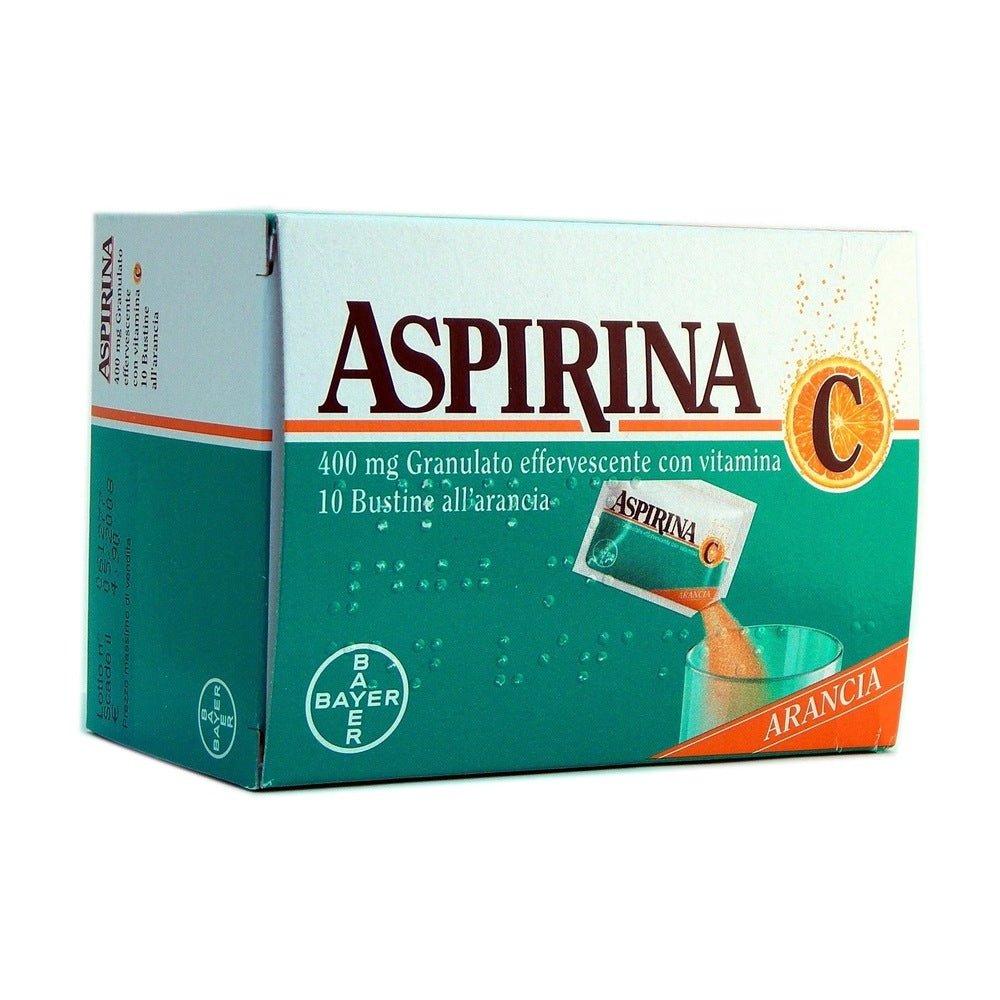
Aspirin 400mg effervescent granules with vitamin C 10 sachets 10g
Aspirin 400mg effervescent granules with vitamin C 10 sachets 10g

Aspirin 400mg effervescent granules with vitamin C are indicated for the symptomatic treatment of fever , flu , colds and for the relief of headaches , muscle pain , rheumatic pain, menstrual pain and neuralgia . Thanks to acetylsalicylic acid and vitamin C , it offers pain-relieving , anti-inflammatory and immune system support effects. Available in practical, rapidly absorbed effervescent sachets .
Couldn't load pickup availability

NET WEIGHT OF THE PRODUCT
NET WEIGHT OF THE PRODUCT
100g
EAN
EAN
004763153
MINSAN
MINSAN
004763153
INDICATIONS
Symptomatic therapy of feverish states and flu and cold syndromes. Symptomatic treatment of headaches and toothaches, neuralgia, menstrual pain, rheumatic and muscular pain.
ACTIVE INGREDIENTS
One sachet contains: active ingredients: acetylsalicylic acid: 400 mg; ascorbic acid (vitamin C): 240 mg. Excipients: sucrose, sicovit (E110). For the complete list of excipients see section 6.1.
EXCIPIENTS
Citric acid; monobasic sodium citrate; sodium bicarbonate; sodium carbonate; orange concentrate; powdered orange flavouring; saccharin E 110; sucrose.
CONTRAINDICATIONS AND SIDE EFFECTS
ASPIRIN effervescent granules with vitamin C is contraindicated in case of: - hypersensitivity to active ingredients (acetylsalicylic acid and ascorbic acid), to other analgesics (painkillers)/antipyretics (antipyretics) / non-steroidal anti-inflammatory drugs (NSAIDs) or to any of the excipients; - gastroduodenal ulcer; - hemorrhagic diathesis; - Severe renal, cardiac or hepatic insufficiency - glucose -6-phosphate dehydrogenase deficiency (G6PD/favism); - concomitant treatment with methotrexate (at doses of 15 mg/week or more) or with warfarin (see section 4.5); - history of asthma induced by the administration of salicylates or substances with similar activity, in particular non-steroidal anti-inflammatory drugs; - last trimester of pregnancy and breastfeeding (see section 4.6); - children and young people under the age of 16; - Nephrolithiasis or previous history of nephrolithiasis; - Hyperoxaluria; - Hemochromatosis.
DOSAGE
Adults Pour the contents of the sachet into half a glass of water, or more. Mix with a teaspoon. Before drinking, wait for the slight effervescence to cease. 1 sachet repeating, if necessary, the dose at intervals of 4-8 hours up to 3-4 times a day. The use of the product is reserved for adult patients only. Always use the minimum effective dosage and increase it only if it is not sufficient to relieve symptoms (pain and fever). Subjects most exposed to the risk of serious side effects, who can only use the drug if prescribed by their doctor, must follow the instructions scrupulously (see section 4.4). Do not take the product for more than 3-5 days without your doctor's advice. Consult your doctor if symptoms persist. Use the medicine for the shortest period possible. Take the medicine preferably after main meals or, in any case, on a full stomach. Special populations Pediatric population Effervescent granulated aspirin with vitamin C is not indicated for use in the pediatric population (see section 4.4). Elderly In elderly patients use the minimum effective dosage Patients with impaired liver function Acetylsalicylic acid should be used with caution in patients with impaired hepatic function (see section 4.4). Patients with impaired renal function Acetylsalicylic acid should be used with caution in patients with impaired renal function (see section 4.4).
CONSERVATION
Store at a temperature below 25°C.
WARNINGS
Hypersensitivity reactions Acetylsalicylic acid and other NSAIDs may cause hypersensitivity reactions (including asthma attacks, rhinitis, angioedema or urticaria). The risk is greater in subjects who have already presented a hypersensitivity reaction in the past after the use of this type of drug (see section 4.3) and in subjects who present allergic reactions to other substances (e.g. skin reactions, itching, urticaria). In subjects with asthma and/or rhinitis (with or without nasal polyposis) and/or urticaria the reactions may be more frequent and serious. In rare cases, reactions can be very serious and potentially fatal. In the following cases, administration of the drug requires a doctor's prescription after careful evaluation of the risk/benefit ratio: - Subjects at increased risk of hypersensitivity reactions (see above) - Subjects at increased risk of gastrointestinal lesions Acetylsalicylic acid and other NSAIDs can cause serious side effects at the gastrointestinal level (bleeding, ulcer, perforation). For this reason these drugs should not be used by subjects suffering from gastrointestinal ulcers or gastrointestinal bleeding. It is prudent for those who have suffered from gastrointestinal ulcers or gastrointestinal bleeding in the past to avoid its use. The risk of gastrointestinal lesions is a dose-related effect, as gastrointestinal lesions are greater in subjects who use higher doses of acetylsalicylic acid. Even subjects with a habit of drinking large quantities of alcohol are more exposed to the risk of gastrointestinal lesions (bleeding in particular) (see section 4.5). - Subjects with coagulation defects or being treated with anticoagulants In subjects suffering from coagulation defects or being treated with anticoagulants, acetylsalicylic acid and other NSAIDs can cause a serious reduction in haemostatic capacity, exposing them to the risk of haemorrhage. - Subjects with impaired renal, cardiac or hepatic function Acetylsalicylic acid and other NSAIDs can cause a critical reduction in renal function and water retention; the risk is greater in subjects treated with diuretics. This can be especially dangerous for the elderly and for those with impaired kidney, heart or liver function. - Subjects suffering from asthma Acetylsalicylic acid and other NSAIDs can cause an aggravation of asthma. - Geriatric age (especially above 75 years) The risk of serious side effects is greater in geriatric subjects. Subjects over the age of 70, especially in the presence of concomitant therapies, should use Aspirin 400 mg effervescent granules only after consulting their doctor. Aspirin 400mg effervescent granules must not be used in the pediatric population (see section 4.3). Products containing acetylsalicylic acid should not be used in children and adolescents under 16 years of age with viral infections, regardless of the presence or absence of fever. In certain viral diseases, especially influenza A, influenza B and chickenpox, there is a risk of Reye's syndrome, a very rare but life-threatening disease that requires immediate medical intervention. The risk may be increased in case of simultaneous intake of acetylsalicylic acid, although a causal relationship has not been demonstrated. Persistent vomiting in patients with these diseases may be a sign of Reye's syndrome. - Subjects with hyperuricemia/gout Acetylsalicylic acid can interfere with the elimination of uric acid: high doses have a uricosuric effect while (very) low doses can reduce its excretion. It should also be considered that acetylsalicylic acid and other NSAIDs can mask the symptoms of gout, delaying its diagnosis. An antagonistic effect with uricosuric drugs is also possible (see section 4.5).- Subjects with a predisposition to calcium-oxal nephrolithiasis (kidney stones) or with recurrent nephrolithiasis Vitamin C (ascorbic acid) should be used with caution by subjects with a predisposition to calcium-oxal nephrolithiasis (kidney stones) or with recurrent nephrolithiasis. - Combination of drugs not recommended or requiring special precautions or dosage adjustment. The use of acetylsalicylic acid in combination with some drugs may increase the risk of serious side effects (see section 4.5). Do not use acetylsalicylic acid together with another NSAID or, in any case, do not use more than one NSAID at a time. Sodium This medicine contains 469 mg sodium per sachet equivalent to 23% of the WHO recommended maximum daily intake of 2 g sodium for an adult. Sucrose This medicine contains 5.6 g of sucrose per sachet. To be taken into consideration in people suffering from diabetes mellitus. Patients suffering from rare hereditary problems of fructose intolerance, glucose-galactose malabsorption, or sucrase isomaltase insufficiency should not take this medicine. Yellow orange dye (E 110) May cause allergic reactions. If you have to undergo surgery (even a small one, for example the extraction of a tooth) and in the previous days you have used acetylsalicylic acid or another NSAID, you must inform the surgeon due to the possible effects on coagulation. Since acetylsalicylic acid can cause gastrointestinal bleeding, this must be taken into account if it is necessary to carry out a search for occult blood. Before administering any medicine, all necessary precautions must be taken to prevent unwanted reactions; particularly important is the exclusion of previous hypersensitivity reactions to this or other medicines and the exclusion of other contraindications or conditions that may expose you to the risk of potentially serious side effects listed above. If in doubt, consult your doctor or pharmacist. The product must be taken on a full stomach.
INTERACTIONS
Contraindicated associations (avoid concomitant use - see section 4.3) - Methotrexate (doses greater than or equal to 15 mg/week): increased plasma levels and toxicity of methotrexate; the risk of toxic effects is greater if renal function is compromised. - Warfarin: serious increase in the risk of hemorrhage due to enhancement of the anticoagulant effect. Associations not recommended (the concomitant use of the two drugs requires a doctor's prescription after careful evaluation of the risk/benefit ratio - see section 4.4) Antiplatelet agents: increased risk of hemorrhage due to the sum of the anti-aggregating effect. Thrombolytics or Oral or parenteral anticoagulants: increased risk of hemorrhage due to enhancement of the pharmacological effect. NSAIDs (topical use excluded): increased risk of serious side effects. Methotrexate (doses less than 15mg/week): the increased risk of toxic effects (see above) must also be considered for treatment with methotrexate at low doses. Selective serotonin re-uptake inhibitors (SSRIs): increased risk of upper gastrointestinal bleeding due to a possible synergistic effect. Associations requiring particular precautions or dosage adjustment (concomitant use of the two drugs requires a doctor's prescription after careful evaluation of the risk/benefit ratio - see section 4.4) ACE inhibitors: reduction of the hypotensive effect; increased risk of impaired renal function. Valproic Acid: increased effect of valproic acid (risk of toxicity). Antacids: antacids taken at the same time as other drugs can reduce their absorption; the excretion of acetylsalicylic acid increases in alkalinized urine. Antidiabetics (e.g. insulin and oral hypoglycemics): increased hypoglycemic effect; the use of acetylsalicylic acid in subjects being treated with antidiabetics must take into account the risk of inducing hypoglycemia. Digoxin: increased plasma concentration of digoxin due to decreased renal elimination. Diuretics: increased risk of nephrotoxicity of acetylsalicylic acid and other NSAIDs; reduction of the effect of diuretics. Acetazolamide: reduced elimination of acetazolamide (risk of toxicity) Phenytoin: increased effect of phenytoin. Corticosteroids (excluding those for topical use and those used for the treatment of adrenocortical insufficiency): a) increased risk of gastrointestinal lesions; b) due to the increased elimination of salicylates induced by corticosteroids, there is a reduction in plasma levels of salicylate. Conversely, after interruption of corticosteroid treatment, overdose of salicylates may occur. Metoclopramide: increase in the effect of acetylsalicylic acid due to an increase in the speed of absorption. Uricosurics (e.g. probenecid, benzbromarone): decrease in the uricosuric effect. Zafirlukast: increased plasma concentration of zafirlukast. Deferoxamine: concomitant use of ascorbic acid can cause increased tissue toxicity of iron, especially at the cardiac level, and cause heart failure. Aspirin 400mg effervescent granules contains buffer systems that could reduce the effects of the thyroid hormone Levothyroxine. Alcohol (see section 4.4) The sum of the effects of alcohol and acetylsalicylic acid causes increased damage to the gastrointestinal mucosa and prolongation of bleeding time. However, it is advisable not to administer other drugs orally within 1 or 2 hours of using the product. Interference with clinical laboratory tests Vitamin C Because vitamin C is a reducing agent (i.e., an electron donor), it may cause chemical interference in laboratory tests involving oxidation-reduction reactions, such as analyzes of glucose, creatinine, carbamazepine, uric acid in urine, serum, and fecal occult blood. Vitamin C can interfere with tests that measure urine and blood glucose leading to a false reading of the results even if it has no effect on blood glucose levels.
SIDE EFFECTS
The most frequently observed side effects affect the gastrointestinal system and can occur in approximately 4% of subjects taking acetylsalicylic acid as an analgesic-antipyretic. This percentage increases significantly in subjects at risk of gastrointestinal disorders. These disorders can be partially alleviated by taking the medicine on a full stomach. Most side effects are dependent on both the dose and duration of treatment. The side effects observed with acetylsalicylic acid are generally common to other NSAIDs. Pathologies of the blood and lymphatic system: prolonged bleeding time, haemorrhage from gastrointestinal bleeding, reduction in platelets (thrombocytopenia) in extremely rare cases. Following hemorrhage, hemorrhagic/iron-deficiency anemia may occur (due, for example, to occult microhemorrhages) with the related alterations in laboratory parameters and the related clinical signs and symptoms such as asthenia, pallor and hypoperfusion. Nervous system disorders: headache, dizziness. Rarely: Reye's syndrome (*). Rarely to very rarely: cerebral hemorrhage, especially in patients with uncontrolled hypertension and/or on anticoagulant therapy which, in isolated cases, can be potentially lethal. Ear and labyrinth disorders: tinnitus (buzzing/rustling/ringing/ringing in the ears). Respiratory, thoracic and mediastinal disorders: respiratory disease exacerbated by acetylsalicylic acid, asthma syndrome, rhinitis (profuse rhinorrhoea), nasal congestion (associated with hypersensitivity reactions). Epistaxis. Cardiac diseases : cardiorespiratory distress (associated with hypersensitivity reactions). Eye pathologies : conjunctivitis (associated with hypersensitivity reactions). Gastrointestinal disorders: gastrointestinal bleeding (occult), gastric disorders, heartburn, gastrointestinal pain, gingivorrhagia. Vomiting, diarrhoea, nausea, abdominal pain, cramps (associated with hypersensitivity reactions). Rarely: gastrointestinal inflammation, gastrointestinal erosion, gastrointestinal ulceration, hematemesis (vomiting of blood or "coffee-like" material), melena (emission of black stools, esophagitis). Very rarely: hemorrhagic gastrointestinal ulcer and/or gastrointestinal perforation with the related clinical signs and symptoms and alterations of laboratory parameters. Frequency not known (especially in long-term treatment): - Disease of the intestinal diaphragms. Hepatobiliary disorders : rarely: hepatotoxicity (hepatocellular injury generally mild and asymptomatic) manifested by an increase in transaminases. Pathologies of the skin and subcutaneous tissues :rash, edema, urticaria, pruritus, erythema, angioedema (associated with hypersensitivity reactions). Renal and urinary disorders : alteration of renal function (in the presence of conditions of altered renal hemodynamics) and acute renal injury, urogenital haemorrhages. Systemic pathologies and conditions relating to the administration site : procedural hemorrhages, hematomas. Immune system disorders : rarely: anaphylactic shock with related alterations in laboratory parameters and clinical manifestations. (*) Reye's syndrome (SdR) SdR initially manifests itself with vomiting (persistent or recurrent) and with other signs of encephalic distress of varying degrees: from listlessness, drowsiness or personality changes (irritability or aggressiveness) to disorientation, confusion or delirium up to convulsions or loss of consciousness. The variability of the clinical picture must be kept in mind: vomiting may also be absent or replaced by diarrhea. If these symptoms arise in the days immediately following a flu episode (or flu-like or chickenpox or another viral infection) during which acetylsalicylic acid or other medicines containing salicylates were administered, the doctor's attention must immediately be paid to the possibility of an SdR. Reporting of suspected adverse reactions Reporting suspected adverse reactions that occur after authorization of the medicinal product is important, as it allows continuous monitoring of the benefit/risk balance of the medicinal product. Healthcare professionals are asked to report any suspected adverse reactions via the national reporting system. Website: https://www.aifa.gov.it/content/segnalazioni-reazioni-avverse.
OVERDOSE
Acetylsalicylic acid Toxicity from salicylates (a dosage exceeding 100 mg/kg/day for 2 consecutive days can induce toxicity) can be the consequence of chronic intake of excessive doses, or of acute overdose, potentially dangerous for life and which also includes accidental ingestion in children. Chronic salicylate intoxication The poisoning chronic from salicylates can be insidious since the signs and symptoms are nonspecific. Mild chronic salicylate intoxication, or salicylism, generally occurs only following repeated use of large doses. Symptoms include dizziness, vertigo, tinnitus, deafness, sweating, nausea and vomiting, headache and confusion. These symptoms can be controlled by reducing the dosage. Tinnitus can occur at plasma concentrations between 150 and 300 micrograms/ml, while more serious adverse events occur at concentrations above 300 micrograms/ml. Acute salicylate intoxication The main feature of intoxication acute it is a serious alteration of the acid-base balance, which can vary with age and the severity of the intoxication; the most common presentation in children is metabolic acidosis. It is not possible to estimate the severity of poisoning from plasma concentrations alone; the absorption of acetylsalicylic acid may be delayed due to reduced gastric emptying, the formation of concretions in the stomach, or as a consequence of the ingestion of gastro-resistant preparations. The management of acetylsalicylic acid poisoning is determined by the extent, stage and clinical symptoms of the latter, and must be implemented according to conventional poisoning management techniques. The main measures to be taken consist in accelerating drug excretion and restoring electrolyte and acid-base metabolism. Due to the complex pathophysiological effects connected with salicylate poisoning, the signs and symptoms/results of biochemical and instrumental investigations may include:
Signs and symptoms: MILD TO MODERATE INTOXICATION - Therapeutic measures: Gastric lavage, repeated administration of activated charcoal, forced alkaline diuresis.
Signs and symptoms: Tachypnoea, hyperventilation, respiratory alkalosis - Results of biochemical and instrumental investigations: Alkalemia, alkaluria. Therapeutic measures: Fluid and electrolyte management.
Signs and symptoms: Sweating.
Signs and symptoms: Nausea, vomiting, headache, dizziness.
Signs and symptoms: MODERATE TO SEVERE INTOXICATION - Therapeutic measures: Gastric lavage, repeated administration of activated charcoal, forced alkaline diuresis, hemodialysis in severe cases.
Signs and symptoms: Respiratory alkalosis with compensatory metabolic acidosis, - Results of biochemical and instrumental investigations: Acidemia, aciduria. Therapeutic measures: Fluid and electrolyte management.
Signs and symptoms: Hyperpyrexia - Therapeutic measures: Fluid and electrolyte management.
Signs and symptoms: Respiratory: ranging from hyperventilation and non-cardiogenic pulmonary edema to respiratory arrest and asphyxia.
Signs and symptoms: Cardiovascular: variable from arrhythmias and hypotension to cardiac arrest - Results of biochemical and instrumental investigations: E.g. alteration of blood pressure, alteration of ECG.
Signs and symptoms: Loss of fluids and electrolytes: dehydration, from oliguria to renal failure - Results of biochemical and instrumental investigations: E.g. hypokalemia, hyperna–tremia, hyponatremia, impaired renal function. Therapeutic measures: Fluid and electrolyte management.
Signs and symptoms: Alterations of glucose metabolism, ketosis - Results of biochemical and instrumental investigations: Hyperglycemia, hypoglycemia (especially in children) Increased levels of ketones.
Signs and symptoms: Tinnitus, deafness
Signs and symptoms: Gastrointestinal: gastrointestinal bleeding, gastric ulcer.
Signs and symptoms: Haematological: coagulopathy, iron deficiency anemia - Results of biochemical and instrumental investigations: E.g. prolonged PT, hypoprothrombinemia.
Signs and symptoms: Neurological: toxic encephalopathy and CNS depression with manifestations ranging from lethargy and confusion to coma and convulsions. Cerebral edema.
Signs and symptoms: Liver: liver damage - Results of biochemical and instrumental investigations: Increased levels of liver enzymes.
At high doses the following may also appear: Taste alterations. Skin rashes (acneiform, erythematous, scarlatiniform, eczematoid, desquamative, bullous, purpuric), itching. Others: Conjunctivitis, anorexia, reduced visual acuity, drowsiness. Rarely: aplastic anemia, agranulocytosis, disseminated intravascular coagulation, pancytopenia, leukopenia, thrombocytopenia, eosinopenia, purpura, eosinophilia associated with drug-induced hepatotoxicity, nephrotoxicity (allergic tubulointerstitial nephritis), hematuria (presence of blood in the urine). Acute allergic reactions following the intake of acetylsalicyc acid can be treated, if necessary, with the administration of adrenaline, corticosteroids and an antihistamine. In case of overdose, contact a poison control center or the nearest hospital immediately. Acetylsalicylic acid is dialyzable. Ascorbic acid Single cases of acute and chronic overdose of ascorbic acid. Overdose of ascorbic acid may cause oxidative haemolysis in patients with glucose-6-phosphate dehydrogenase deficiency, disseminated intravascular coagulation and significantly elevated serum and urinary oxalate levels. Increased levels of oxalates have been shown to result in the formation of calcium oxalate deposits in dialysis patients. High doses of vitamin C may cause calcium oxalate deposits, calcium oxalate crystalluria in patients with a predisposition to crystal formation, tubulointerstitial nephropathy, and acute renal failure resulting from calcium oxalate crystals.
PREGNANCY AND BREASTFEEDING
Fertility The use of acetylsalicylic acid as well as any drug that inhibits the synthesis of prostaglandins and cyclooxygenase could interfere with fertility; female subjects and in particular women who have fertility problems or who are undergoing fertility investigations must be informed of this. Pregnancy Inhibition of prostaglandin synthesis can negatively affect pregnancy and/or embryo/foetal development. Results of epidemiological studies suggest an increased risk of miscarriage and cardiac malformation and gastroschisis after the use of a prostaglandin synthesis inhibitor in the early stages of pregnancy. The absolute risk of cardiac malformations was increased from less than 1% to approximately 1.5%. It has been estimated that the risk increases with the dose and duration of therapy. In animals, the administration of prostaglandin synthesis inhibitors has been shown to cause an increase in pre- and post-implantation loss and embryo-foetal mortality. Furthermore, an increased incidence of various malformations, including cardiovascular malformations, has been reported in animals to which prostaglandin synthesis inhibitors were administered during the organogenetic period. During the first and second trimester of pregnancy, acetylsalicylic acid should not be administered unless clearly necessary. If drugs containing acetylsalicylic acid are used by a woman trying to get pregnant, or during the first and second trimester of pregnancy, treatment should be as short as possible and the dose as low as possible. During the third trimester of pregnancy, all inhibitors of prostaglandin synthesis can expose: the fetus to: - cardiopulmonary toxicity (with premature closure of the ductus arteriosus and pulmonary hypertension); - renal dysfunction, which can progress to renal failure with oligo-hydramnios; the mother and the unborn child, at the end of pregnancy, to: - possible prolongation of bleeding time, an anti-aggregating effect which can occur even at very low doses; - inhibition of uterine contractions resulting in delayed or prolonged labor. Consequently, acetylsalicylic acid is contraindicated during the third trimester of pregnancy. Breastfeeding ASPIRIN effervescent granules with vitamin C is contraindicated during breastfeeding (see section 4.3).
EFFECTS ON DRIVING ABILITY
Due to the possible onset of headache or dizziness, this medicine may impair the ability to drive and use machinery.
OUR PRODUCTS FOR THIS SEASON
-
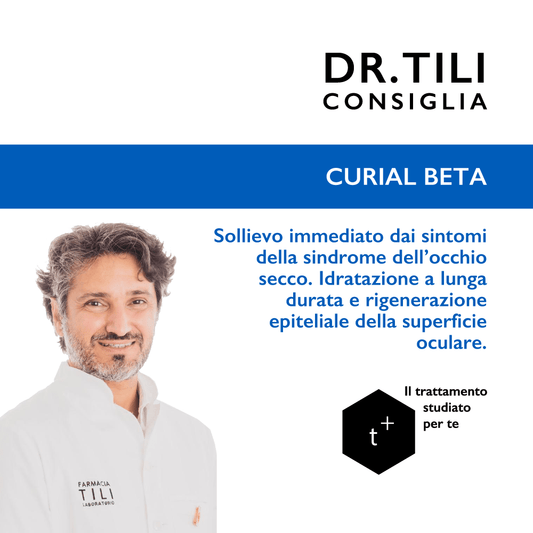
Curial βeta Dry eye supplement 30 capsules Dr.Tili
Vendor:TilpharmaRegular price €22,50Regular priceUnit price per€22,50Sale price €22,50 -
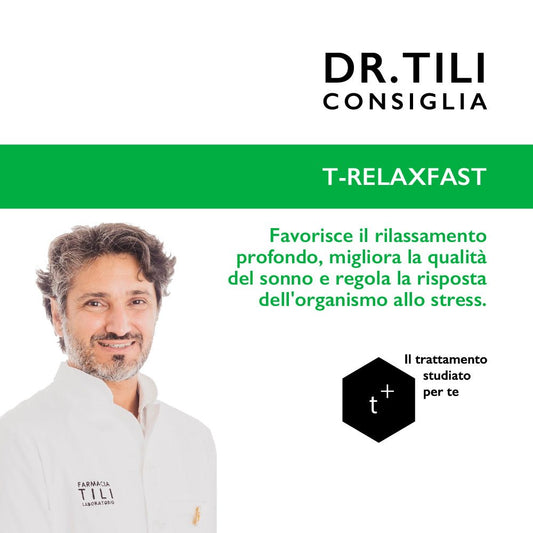
T - Relaxfast Sleep Supplement 60 Capsules Dr.Tili
Vendor:TilpharmaRegular price €24,50Regular priceUnit price per€24,50Sale price €24,50 -
Face Serum C5 Vitamin C 30ml Dr.Tili Skinlab
Vendor:TilabRegular price €62,50Regular priceUnit price per€62,50Sale price €62,50 -
Dr.Tili Skinlab E15 Vitamin E Face Serum 30ml
Vendor:TilabRegular price €32,50Regular priceUnit price per€32,50Sale price €32,50 -
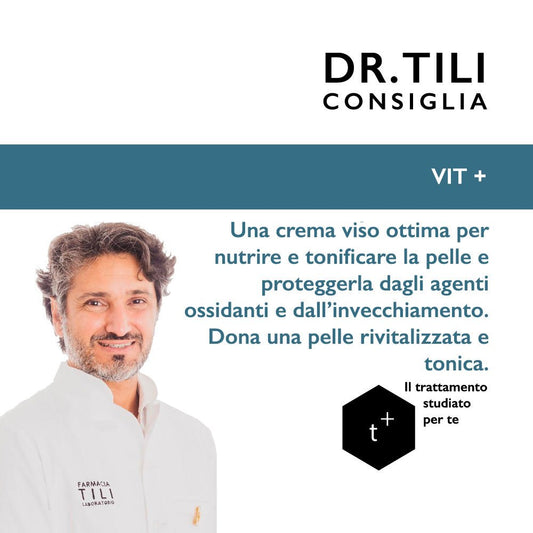
Vit+ Face Vitamin Cream 50ml Dr.Tili Skinlab
Vendor:TilabRegular price €34,00Regular priceUnit price per€34,00Sale price €34,00 -
Anti-aging Facial Treatment Hyaluronic Acid IAL B3 30ml Dr.Tili Skinlab
Vendor:TilabRegular price €46,00Regular priceUnit price per€46,00Sale price €46,00 -
Body Milk Hydra Milk 200Ml. Dr.Tili Skinlab
Vendor:TilabRegular price €16,90Regular priceUnit price per€16,90Sale price €16,90 -
Facial Cleansing Milk 150ml Dr.Tili Skinlab
Vendor:TilabRegular price €18,90Regular priceUnit price per€18,90Sale price €18,90 -
Soothing Facial Toner 125ml Dr.Tili Skinlab
Vendor:TilabRegular price €14,50Regular priceUnit price per€14,50Sale price €14,50 -
Soothing Face Cream 50ml Dr.Tili Skinlab
Vendor:TilabRegular price €19,50Regular priceUnit price per€19,50Sale price €19,50










-

ASSISTANCE - TELEPHONE ORDERS
-

SHIPPING
Shipping to Italy 24/48H
Delivery also on Saturday and Sunday
Free over €49.90
Shipping to Europe 24/72H
Free over €80 -

SAFETY
The security of your data is important to us!
We strictly comply with the European GDPR regarding
Privacy and processing of personal data
The payments you make on our site are 100% safe and guaranteed -

RETURNS
Fast returns via DIY portal and 14 days to change your mind.
Immediate and free replacements for incorrect or non-compliant products delivered.


