

Bayer
Lasonil anti-inflammatory and antirheumatic 220mg 12 coated tablets
Lasonil anti-inflammatory and antirheumatic 220mg 12 coated tablets

Lasonil anti-inflammatory and antirheumatic 220mg 12 coated tablets: symptomatic treatment of headaches, back pain, joint and muscle pain, toothache and colds. It is also indicated against menstrual pain and minor pain in arthritis and arthrosis.
Couldn't load pickup availability

NET WEIGHT OF THE PRODUCT
NET WEIGHT OF THE PRODUCT
12ct
EAN
EAN
032790038
MINSAN
MINSAN
032790038

INDICATIONS
Symptomatic treatment of headaches, back pain, joint and muscle pain, toothache and colds. It is also indicated against menstrual pain and minor pain in arthritis and arthrosis.
ACTIVE INGREDIENTS
One film-coated tablet contains: naproxen sodium 220 mg, equivalent to 200 mg naproxen. For the full list of excipients, see section 6.1.
EXCIPIENTS
Microcrystalline cellulose, povidone K 30, talc, magnesium stearate; coating film: Opadry Blue YS 1-4215.
CONTRAINDICATIONS AND SIDE EFFECTS
- Hypersensitivity to the active substance, or to any of the excipients, listed in paragraph 6.1. - History of asthma, urticaria or allergic reactions following the intake of acetylsalicylic acid or other analgesics, antipyretics, non-steroidal anti-inflammatory drugs. - Severe renal insufficiency (creatinine clearance less than 20 ml/min) - Severe cardiac insufficiency - Liver cirrhosis and severe hepatitis - Under intensive therapy with diuretics - Gastric and duodenal ulcer - Subjects with current bleeding or at risk of bleeding - Under treatment with anticoagulants as they synergize their action - Pregnancy and breastfeeding (see section 4.6) - Adolescents under 16 years of age - History of gastrointestinal bleeding or perforation related to previous active treatment or history of recurrent peptic hemorrhage/ulcer (two or more distinct episodes of demonstrated ulceration or bleeding).
DOSAGE
Method of administration The film-coated tablet should be taken orally with a glass of water, on a full stomach. Dosage Adults and adolescents over 16 years: 1 tablet every 8 - 12 hours. You may experience greater benefit by starting with 2 tablets followed by 1 tablet every 12 hours as needed. The maximum daily dose is 3 tablets. Side effects can be reduced by using the lowest effective dose, for the shortest possible duration of treatment to control symptoms (see section 4.4.). Do not use for more than 7 days for the symptomatic treatment of pain and for more than 3 days for colds without medical supervision. Additional information for special populations Pediatric population Safety and efficacy in children under 16 years have not yet been established (see section 4.3). Elderly Use the minimum dosage. Patients with renal, hepatic or cardiac insufficiency In patients with renal and/or cardiac insufficiency and/or severe hepatic insufficiency a dosage reduction may be necessary.
CONSERVATION
Store in the original package in order to protect the medicine from light.
WARNINGS
The product is not indicated for pain in the gastrointestinal tract. General warnings The use of anti-inflammatory and antirheumatic Lasonil should be avoided concomitantly with NSAIDs, including selective COX-2 inhibitors. Side effects can be minimized by using the lowest effective dose for the shortest possible duration of treatment needed to control symptoms (see paragraphs below on gastrointestinal and cardiovascular risks). Anaphylactic/anaphylactoid reactions Analgesics, antipyretics, non-steroidal anti-inflammatory drugs can cause potentially fatal hypersensitivity reactions, including those of the anaphylactic (anaphylactoid) type, even in subjects without a history of hypersensitivity following exposure to this type of drugs. These reactions may occur in subjects with a history of angioedema, altered bronchial reactivity (asthma), rhinitis, nasal polyposis, allergic pathologies, chronic respiratory pathologies or sensitivity to acetylsalicylic acid. This may also happen in patients who experience allergic reactions (skin reactions, hives) to naproxen or other NSAIDs. After administration of analgesics, antipyretics, non-steroidal anti-inflammatories, worsening of asthma is possible. Anaphylactoid reactions, such as anaphylaxis, can be fatal. Skin reactions Serious skin reactions, some of them fatal, including exfoliative dermatitis, Stevens-Johnson syndrome and toxic epidermal necrolysis, have been reported very rarely in association with the use of NSAIDs (see section 4.8). In the early stages of therapy, patients appear to be at higher risk: the onset of the reaction occurs in most cases within the first month of treatment. Lasonil anti-inflammatory and antirheumatic should be discontinued at the first appearance of skin rash, mucosal lesions or any other sign of hypersensitivity. Gastrointestinal bleeding, ulceration and perforation: Gastrointestinal haemorrhage, ulceration and perforation, which may be fatal, have been reported during treatment with all NSAIDs at any time, with or without warning symptoms or previous history of serious gastrointestinal events. In the elderly and in patients with a history of ulcer, especially if complicated by haemorrhage or perforation (see section 4.3), the risk of gastrointestinal haemorrhage, ulceration or perforation is higher with increased doses of NSAIDs. These patients should start treatment with the lowest available dose. The concomitant use of protective agents (misoprostol or proton pump inhibitors) should be considered for these patients and also for patients taking low doses of acetylsalicylic acid or other drugs that may increase the risk of gastrointestinal events (see below and section 4.5). Patients with a history of gastrointestinal toxicity, particularly the elderly, should report any unusual gastrointestinal symptoms (especially gastrointestinal haemorrhage) particularly in the initial stages of treatment. Caution should be exercised in patients taking concomitant medications that may increase the risk of ulceration or haemorrhage, such as oral corticosteroids, anticoagulants such as warfarin, selective serotonin reuptake inhibitors or antiplatelet agents such as acetylsalicylic acid (see section 4.5). When gastrointestinal bleeding or ulceration occurs in patients taking the anti-inflammatory and antirheumatic Lasonil, treatment should be discontinued. NSAIDs should be administered with caution to patients with a history of gastrointestinal disease (ulcerative colitis, Crohn's disease) as these conditions may be exacerbated (see section 4.8). Sodium and fluid retention in cardiovascular diseases and peripheral edema Caution is required before starting treatment in patients with a history of hypertension and/or heart failure since fluid retention, hypertension and edema have been reported in association with treatment with NSAIDs. Cardiovascular and cerebrovascular effects Clinical studies and epidemiological data suggest that the use of coxibs and some NSAIDs (especially at high doses and for long-term treatments) may be associated with a modest increase in the risk of arterial thrombotic events (e.g. myocardial infarction or stroke). Although some data suggest that the use of naproxen (1000 mg/day) may be associated with a lower risk, some risk cannot be excluded. There are insufficient data regarding the effects of low doses of naproxen from 220 to 660 mg to reach precise conclusions on possible thrombotic risks. Naproxen can reduce the antiplatelet effect of acetylsalicylic acid. Patients should consult their doctor if they are being treated with acetylsalicylic acid and intend to use naproxen sodium/naproxen (see the section “Interactions with other medicinal products and other forms of interactions”). Hepatic effects Serious hepatic reactions, including jaundice and hepatitis (including some fatal cases) have been reported with the use of naproxen sodium or other nonsteroidal anti-inflammatory drugs. Cross-reactivity has also been reported. Special Populations Elderly Elderly patients have an increased frequency of adverse reactions to NSAIDs, especially gastrointestinal bleeding and perforation, which may be fatal (see section 4.2). Women planning a pregnancy Precautions regarding fertility The use of anti-inflammatory and antirheumatic Lasonil, as with any drug that inhibits prostaglandin synthesis and cyclooxygenase, is not recommended in women intending to become pregnant due to effects on ovulation, reversible upon discontinuation of treatment (see section 4.6). The administration of the anti-inflammatory and antirheumatic Lasonil must be suspended in women who have fertility problems or who are undergoing fertility investigations. Patients with additional medical history Subjects with the following additional medical histories should be carefully and adequately monitored when taking the anti-inflammatory and antirheumatic Lasonil: - with coagulation disorders or taking medicines that affect haemostasis, since naproxen inhibits platelet aggregation and may prolong bleeding time. - with hepatic insufficiency - who have experienced previous side effects with analgesics, antipyretics and non-steroidal anti-inflammatory drugs. The product should be administered with caution in case of concomitant treatment with other drugs, such as other analgesics, steroids or intensive diuretic therapy. Sodium content This medicinal product contains less than 1 mmol sodium (23 mg) per tablet, i.e. essentially 'sodium-free'. Taking the maximum daily dosage of 3 tablets results in a maximum intake of 60 mg of sodium equivalent to 3% of the maximum daily intake recommended by the WHO which corresponds to 2 g of sodium per day for an adult.
INTERACTIONS
Cyclosporine: with the concomitant use of ciclosporin the concentration of the latter can be increased, increasing the risk of nephrotoxicity. Lithium: lithium levels may be increased, which may induce nausea, polydipsia, polyuria, tremors and confusion. Methotrexate: the use of anti-inflammatory and antirheumatic Lasonil concomitantly with methotrexate (at doses higher than 15 mg/week) can lead to an increase in methotrexate concentrations, with an increased risk of toxicity of this substance. NSAIDs: do not administer the medicine in combination with drugs based on naproxen, acetylsalicylic acid or other analgesics, antipyretics, anti-inflammatories due to increased risk of gastrointestinal bleeding. Acetylsalicylic acid Clinical pharmacodynamic data highlight that the concomitant use of naproxen for more than one consecutive day can inhibit the effect of low-dose acetylsalicylic acid on platelet activity and this inhibition can persist for a few days after discontinuation of treatment with naproxen. The clinical relevance of this interaction is unknown. Treatment with naproxen/naproxen sodium in patients with increased cardiovascular risk may limit the cardiovascular protection of acetylsalicylic acid (see “Special warnings and precautions for use” section). Corticosteroids: increased risk of gastrointestinal ulceration or haemorrhage (see section 4.4). Anticoagulants: NSAIDs may increase the effects of anticoagulants such as warfarin (increased prothrombin time and decreased platelet aggregation) (see section 4.4). Antiplatelet agents and selective serotonin reuptake inhibitors (SSRIs): increased risk of gastrointestinal bleeding (see section 4.4). Naproxen decreases platelet aggregation and prolongs bleeding time. This must be taken into account when determining the bleeding time. Diuretics, ACE inhibitors and angiotensin II antagonists: NSAIDs can reduce the effect of diuretics and other antihypertensive drugs. In some patients with compromised renal function (e.g. dehydrated patients or elderly patients with compromised renal function) co-administration of an ACE inhibitor or an angiotensin II antagonist and agents that inhibit the cyclo-oxygenase system may lead to further deterioration of renal function, including possible acute renal failure, which is usually reversible. These interactions should be considered in patients taking the anti-inflammatory and antirheumatic Lasonil concomitantly with ACE inhibitors or angiotensin II antagonists. Therefore, the combination should be administered with caution, especially in elderly patients. Patients should be adequately hydrated and consideration should be given to monitoring renal function after initiation of concomitant therapy. In short-term use, no clinically significant interactions are to be expected with the following medicinal products: • antacids, • antidiabetics, • hydantoins, • probenecid, • zidovudine. Interactions with foods The rate of absorption of naproxen can be slowed down by concomitant food intake. Interference with laboratory tests Naproxen sodium interferes with urinary 17-ketosteroid and 5-indoleacetic acid assays.
SIDE EFFECTS
Cardiac diseases / vascular diseases Edema, hypertension and heart failure have been reported in association with treatment with NSAIDs. Clinical studies and epidemiological data suggest that the use of coxibs and some NSAIDs (especially at high doses and for long-term treatments) may be associated with a modest increase in the risk of arterial thrombotic events (e.g. myocardial infarction or stroke) (see section 4.4). Gastrointestinal disorders The most commonly observed adverse events are gastrointestinal in nature. Peptic ulcers, perforation or gastrointestinal haemorrhage, sometimes fatal, may occur, particularly in the elderly (see section 4.4). After administration of the anti-inflammatory and antirheumatic Lasonil the following have been reported: nausea, vomiting, diarrhea, flatulence, constipation, dyspepsia, abdominal pain, melena, hematemesis, ulcerative stomatitis, exacerbation of colitis and Crohn's disease (see section 4.4). Less frequently, gastritis has been observed. Pathologies of the skin and subcutaneous tissue Bullous reactions including Stevens Johnson syndrome and toxic epidermal necrolysis (very rarely). Lasonil anti-inflammatory and antirheumatic causes a modest transient, dose-dependent increase in bleeding time. However, these values often do not exceed the upper limit of the reference range. The following table shows the side effects observed with medicines containing naproxen and naproxen sodium. The frequency of possible side effects listed below is defined using the following convention: Very common (≥1/10), Common (≥1/100 to < 1/10), Uncommon (≥1/1000 to < 1/100), Rare (≥1/10,000 to < 1/1,000), Very rare <10,000), Not known (cannot be estimated from the available data).
Immune system disorders - Frequency: Very rare. Side effects: Anaphylaxis/anaphylactoid reactions, including shock with fatal outcome.
Metabolism and nutrition disorders - Frequency: Rare. Side effects: Hyperglycemia, hypoglycemia.
Blood and lymphatic system disorders - Frequency: Very rare. Side effects: Hematopoiesis disorders (leukopenia, thrombocytopenia, agranulocytosis, aplastic anemia, eosinophilia, hemolytic anemia).
Psychiatric disorders - Frequency: Very rare. Side effects: Psychiatric disorders, depression, sleep disorders, difficulty concentrating.
Nervous system disorders - Frequency: Common. Side effects: Dizziness, headache, dizziness.
Nervous system disorders - Frequency: Uncommon. Side effects: Drowsiness, insomnia, drowsiness.
Nervous system disorders - Frequency: Very rare. Side effects: Aseptic meningitis, cognitive disorders, convulsions.
Eye disorders - Frequency: Very rare. Side effects: Visual disturbances, corneal opacity, papillitis, retrobulbar optic neuritis, papilledema.
Ear and labyrinth disorders - Frequency: Uncommon. Side effects: Dizziness.
Ear and labyrinth disorders - Frequency: Very rare. Side effects: Hearing loss, tinnitus, hearing disorders.
Cardiac disorders - Frequency: Rare. Side effects: Tachycardia.
Cardiac disorders - Frequency: Very rare. Side effects: Congestive heart failure, hypertension, pulmonary edema, palpitations.
Vascular disorders - Frequency: Very rare. Side effects: Vasculitis.
Thoracic and mediastinal respiratory disorders - Frequency: Very rare. Side effects: Dyspnea, asthma, eosinophilic pneumonia, alveolitis.
Gastrointestinal disorders - Frequency: Common. Side effects: Dyspepsia, nausea, heartburn, abdominal pain.
Gastrointestinal disorders - Frequency: Uncommon. Side effects: Diarrhoea, constipation, vomiting.
Gastrointestinal disorders - Frequency: Rare. Side effects: Peptic ulcer with or without hemorrhage or perforation, gastrointestinal hemorrhage, hematemesis, melena.
Gastrointestinal disorders - Frequency: Very rare. Side effects: Pancreatitis, colitis, aphthous ulcers, stomatitis, esophagitis, intestinal ulcerations, crampy abdominal pain.
Hepatobiliary disorders - Frequency: Very rare. Side effects: Hepatitis, (including fatal cases), jaundice.
Skin and subcutaneous tissue disorders - Frequency: Uncommon. Side effects: Rash, itching, urticaria.
Skin and subcutaneous tissue disorders - Frequency: Rare. Side effects: Angioedema.
Skin and subcutaneous tissue disorders - Frequency: Very rare. Side effects: Alopecia (usually reversible), photosensitivity, porphyria, erythema multiforme, bullous reactions including Steven's-Johnson syndrome and toxic epidermal necrolysis, erythema nodosum, fixed erythema, lichen planus, pustules, skin rashes, Systemic Lupus Erythematosus, photosensitivity reactions including porphyria cutanea tardi (“pseudoporphyria”) or epidermolysis bullosa, ecchymosis, purpura, sweating.
Musculoskeletal system and connective tissue disorders - Frequency: Rare. Side effects: Myalgia, muscle weakness.
Renal and urinary disorders - Frequency: Rare. Side effects: Impaired renal function, glomerulonephritis.
Renal and urinary disorders - Frequency: Very rare. Side effects: Interstitial nephritis, papillary necrosis, nephrotic syndrome, renal failure, nephropathy, hematuria, proteinuria.
Congenital, familial and genetic disorders - Frequency: Very rare. Side effects: Closure of the ductus arteriosus.
Reproductive system and breast disorders - Frequency: Very rare. Side effects: Infertility (in women).
Systemic disorders and conditions relating to the administration site - Frequency: Rare. Side effects: Peripheral edema, particularly in hypertensive patients or patients with renal insufficiency, pyrexia (including chills and fever).
General disorders and conditions relating to the administration site - Frequency: Very rare. Side effects: Edema, thirst, malaise.
Diagnostic tests - Frequency: Very rare. Side effects: Increased serum creatinine, abnormal liver function tests, hyperkalemia.
Reporting of suspected adverse reactions Reporting suspected adverse reactions that occur after authorization of the medicinal product is important, as it allows continuous monitoring of the benefit/risk balance of the medicinal product. Healthcare professionals are asked to report any suspected adverse reactions via the national reporting system: www.agenziafarmaco.gov.it/content/come-segnalare-una-sospetti-re azione-avversa.
OVERDOSE
Dizziness, drowsiness, heartburn, epigastric pain, digestive disorders, nausea and vomiting, transient changes in liver function, hypoprothrombinemia, renal dysfunction, metabolic acidosis, apnea and disorientation may occur as signs of overdose. Since naproxen sodium is rapidly absorbed, early elevated plasma levels are to be expected. Convulsions were seen in some patients but it is unclear whether these were related to naproxen overdose. Some cases of reversible acute renal failure have been described. It is not known what dose of the drug is life-threatening. In case of NSAID overdose, patients should be managed with symptomatic and supportive therapies. The stomach should be emptied and the usual supportive measures implemented. Prompt administration of an adequate amount of activated charcoal may reduce the absorption of the medicine. Hemodialysis does not decrease plasma concentrations of naproxen due to high plasma protein binding. There is no specific antidote. Renal and liver function should be monitored.
PREGNANCY AND BREASTFEEDING
Pregnancy Inhibition of prostaglandin synthesis can negatively affect pregnancy and/or embryo/foetal development. Results of epidemiological studies suggest an increased risk of miscarriage and cardiac malformation and gastroschisis after the use of a prostaglandin synthesis inhibitor in the early stages of pregnancy. The absolute risk of cardiac malformations increased from less than 1% to approximately 1.5%. The risk has been thought to increase with dose and duration of therapy. In animals, the administration of prostaglandin synthesis inhibitors has been shown to cause an increase in pre- and post-implantation loss and embryo-foetal mortality. Furthermore, an increased incidence of various malformations, including cardiovascular malformations, has been reported in animals administered prostaglandin synthesis inhibitors during the organogenetic period. From the 20th week of pregnancy onwards, the use of NSAIDs could cause oligohydramnios resulting from fetal renal dysfunction. This condition may be experienced shortly after starting treatment and is usually reversible upon discontinuation of treatment. Additionally, cases of constriction of the ductus arteriosus have been reported following treatment in the second trimester, most of which resolved after treatment was discontinued. During the third trimester of pregnancy, all inhibitors of prostaglandin synthesis can expose the fetus to: - cardiopulmonary toxicity (premature constriction/closure of the ductus arteriosus and pulmonary hypertension); - renal dysfunction (see above); the mother and the newborn, at the end of pregnancy, to: - possible prolongation of bleeding time, an anti-aggregating effect which can occur even at very low doses; - inhibition of uterine contractions leading to delay or prolongation of labour. Consequently Lasonil Anti-inflammatory and Antirheumatic is contraindicated during pregnancy (see sections 4.3 and 5.3). Breastfeeding Naproxen can pass into breast milk. The medicine is therefore contraindicated during breastfeeding. Fertility The use of naproxen can interfere with fertility and female subjects and in particular women who have fertility problems or who are undergoing fertility investigations must be informed of this (see paragraph 4.4). This effect is reversible upon discontinuation of treatment.
EFFECTS ON DRIVING ABILITY
Due to the possible onset of drowsiness, dizziness, dizziness or insomnia Lasonil anti-inflammatory and antirheumatic may impair the ability to drive and use machinery. In this case, avoid these activities or others that require particular vigilance.
OUR PRODUCTS FOR THIS SEASON
-
Curial βeta Dry eye supplement 30 capsules Dr.Tili
Vendor:TilpharmaRegular price €22,50Regular priceUnit price per€22,50Sale price €22,50 -
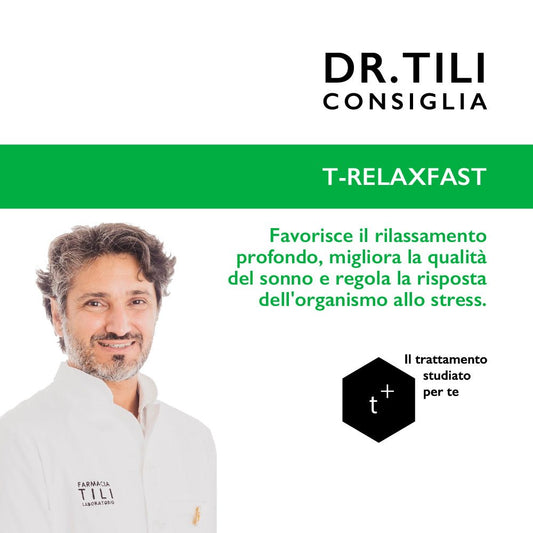
T - Relaxfast Sleep Supplement 60 Capsules Dr.Tili
Vendor:TilpharmaRegular price €24,50Regular priceUnit price per€24,50Sale price €24,50 -
Face Serum C5 Vitamin C 30ml Dr.Tili Skinlab
Vendor:TilabRegular price €62,50Regular priceUnit price per€62,50Sale price €62,50 -
Dr.Tili Skinlab E15 Vitamin E Face Serum 30ml
Vendor:TilabRegular price €32,50Regular priceUnit price per€32,50Sale price €32,50 -
Vit+ Face Vitamin Cream 50ml Dr.Tili Skinlab
Vendor:TilabRegular price €34,00Regular priceUnit price per€34,00Sale price €34,00 -
Anti-aging Facial Treatment Hyaluronic Acid IAL B3 30ml Dr.Tili Skinlab
Vendor:TilabRegular price €46,00Regular priceUnit price per€46,00Sale price €46,00 -
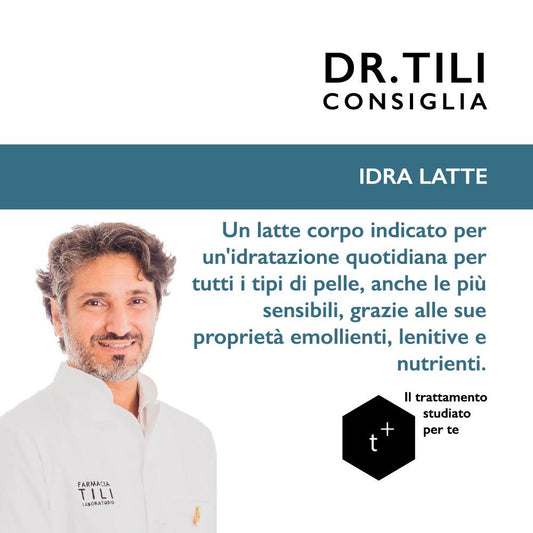
Body Milk Hydra Milk 200Ml. Dr.Tili Skinlab
Vendor:TilabRegular price €16,90Regular priceUnit price per€16,90Sale price €16,90 -
Facial Cleansing Milk 150ml Dr.Tili Skinlab
Vendor:TilabRegular price €18,90Regular priceUnit price per€18,90Sale price €18,90 -
Soothing Facial Toner 125ml Dr.Tili Skinlab
Vendor:TilabRegular price €14,50Regular priceUnit price per€14,50Sale price €14,50 -
Soothing Face Cream 50ml Dr.Tili Skinlab
Vendor:TilabRegular price €19,50Regular priceUnit price per€19,50Sale price €19,50















-

ASSISTANCE - TELEPHONE ORDERS
-

SHIPPING
Shipping to Italy 24/48H
Delivery also on Saturday and Sunday
Free over €49.90
Shipping to Europe 24/72H
Free over €80 -

SAFETY
The security of your data is important to us!
We strictly comply with the European GDPR regarding
Privacy and processing of personal data
The payments you make on our site are 100% safe and guaranteed -

RETURNS
Fast returns via DIY portal and 14 days to change your mind.
Immediate and free replacements for incorrect or non-compliant products delivered.


