

Dicofarm
Algidrin 20 mg/ml 120 ml oral suspension children with 5 ml syringe
Algidrin 20 mg/ml 120 ml oral suspension children with 5 ml syringe

Couldn't load pickup availability

NET WEIGHT OF THE PRODUCT
NET WEIGHT OF THE PRODUCT
120ml
EAN
EAN
049108020
MINSAN
MINSAN
049108020

In compliance with article 118 "authorization of advertising to the public" of the legislative decree of 24 April 2006, number 219
INDICATIONS
ALGIDRIN is indicated for children over 3 months of age and adolescents: • for the symptomatic treatment of fever; • for the symptomatic treatment of mild to moderate pain.
CONTRAINDICATIONS
- Hypersensitivity to ibuprofen, to any other NSAID or to any of the excipients listed in paragraph 6.1; - Patients who have developed allergic reactions, asthma attacks, acute rhinitis, urticaria or angioneurotic edema after taking substances with similar actions (for example acetylsalicylic acid or other anti-inflammatory drugs); - A history of gastrointestinal bleeding or perforation related to previous treatment with nonsteroidal anti-inflammatory drugs (NSAIDs); - Peptic ulcer, active or recurrent gastrointestinal hemorrhage (two or more separate episodes of ulceration or hemorrhage occurring); - Patients with diseases that tend to increase bleeding; - Severe heart failure (NYHA: class IV); - Severe renal failure (glomerular filtration rate below 30 ml/min); - Severe liver failure; - Patients with severe dehydration (caused by vomiting, diarrhea or insufficient fluid intake); - During the third trimester of pregnancy (see section 4.6).
WARNINGS AND PRECAUTIONS FOR USE
Masking the symptoms of underlying infections: ALGIDRIN may mask the symptoms of infection, which may lead to a delay in starting appropriate treatment and therefore worsen the outcome of the infection. This has been observed in community-acquired bacterial pneumonia and bacterial complications of chickenpox. When ALGIDRIN i is given to relieve fever or pain related to infection, monitoring of the infection is advised. In non-hospital settings, the patient should consult a doctor if symptoms persist or worsen. Adverse reactions caused by the combination of the active ingredient and concomitant alcohol consumption, especially reactions related to the gastrointestinal tract or central nervous system, may be increased by the use of NSAIDs. Gastrointestinal risks: Gastrointestinal bleeding, ulcers and perforations: During treatment with NSAIDs, including ibuprofen, reports of gastrointestinal bleeding, ulcers and perforations (which may be fatal) have been received at any time, with or without previous warning symptoms and with or without a previous history of serious gastrointestinal events. The risk of gastrointestinal haemorrhage, ulcer or perforation is greater with increasing doses of NSAIDs, in patients with a history of ulcer, especially if the ulcers are complicated by haemorrhage or perforation (see section 4.3) and in elderly patients. These patients should start treatment with the lowest possible dose and be prescribed concomitant treatment with protective agents (e.g., misoprostol or proton pump inhibitors); Combined treatment should also be considered for patients requiring low doses of acetylsalicylic acid or other medicinal products that may increase gastrointestinal risk factors (see section 4.5). Patients with a history of gastrointestinal toxicity, and especially elderly patients, should be advised to immediately consult a doctor in case of infrequent abdominal symptoms (especially gastrointestinal bleeding) during treatment and especially during the initial stages. Special caution is recommended for patients receiving concomitant treatments that may increase the risk of gastrointestinal ulceration or bleeding such as dicoumarin-based oral anticoagulants or antiplatelet agents such as acetylsalicylic acid (see section 4.5). Furthermore, some precautions should be taken in case of concomitant administration of oral corticosteroids and selective serotonin reuptake inhibitor (SSRI) antidepressants. Treatment should be stopped immediately in case of gastrointestinal bleeding or ulceration in patients receiving this medicinal product (see section 4.3). NSAIDs should be administered with caution to patients with a history of ulcerative colitis or Crohn's disease, as they may aggravate these conditions (see section 4.8). Cardiovascular and cerebrovascular risks: Particular attention should be paid to patients with a history of hypertension and/or heart failure as fluid retention and edema have been associated with NSAID treatments. Clinical studies suggest that the use of ibuprofen, especially at high doses (2400 mg per day), may be associated with a small increased risk of arterial thrombotic events (e.g., myocardial infarction or stroke). In general, epidemiological studies do not suggest that low-dose ibuprofen (e.g. 1,200 mg/day) is associated with an increased risk of arterial thrombotic events. Patients with uncontrolled hypertension, congestive heart failure (NYHA II-III), established ischemic heart disease, peripheral artery disease and/or cerebrovascular disease, should be treated with ibuprofen only after careful evaluation and avoiding high doses (2400 mg/day). Careful evaluation must also be carried out before starting long-term treatment in patients with risk factors for cardiovascular events (e.g. hypertension, hyperlipidemia, diabetes mellitus, smokers), especially if they require high doses of ibuprofen (2400 mg/day). Risk of serious skin reactions: Very rare reports of serious skin reactions, some fatal, including exfoliative dermatitis, Stevens-Johnson syndrome and toxic epidermal necrolysis have been received in association with use of NSAIDs (see section 4.8). Patients appear to be at greater risk of these reactions at the start of treatment: in most cases these side effects appear during the first month of treatment. Acute generalized exanthematous pustulosis has been reported (Acute Generalized Exanthematous Pustulosis -AGEP) in relation to products containing ibuprofen. Administration of the medicine must be stopped immediately at the first symptoms of skin erythema, mucosal lesions or other signs of hypersensitivity. On exceptional occasions, chickenpox can cause infectious complications of the skin and soft tissues. To date, the role of NSAIDs in exacerbating these infections cannot be ruled out. Therefore ibuprofen should be avoided in case of chickenpox. Allergic reactions: On very rare occasions, severe acute hypersensitivity reactions (e.g. anaphylactic shock) have been observed. Treatment should be stopped when the first signs of a hypersensitivity reaction appear after taking / administering ibuprofen. Based on the symptoms, the necessary medical measures must be initiated by specialized personnel. Caution is required in patients who have suffered from hypersensitivity or allergic reactions to other substances, as this may increase the risk of hypersensitivity reactions to ibuprofen. Caution is required in patients suffering from seasonal allergies, nasal polyps or chronic obstructive breathing disorders, as there is a high risk of allergic reactions. These reactions may present as asthma attacks, Quincke's edema, or urticaria. Renal and/or hepatic insufficiency: Ibuprofen should be used with caution in patients with liver or kidney disease, particularly during simultaneous treatment with diuretics, as inhibition of prostaglandins may produce fluid retention and impair renal function. If administered to these patients, the dose of ibuprofen should be as low as possible and renal function should be monitored regularly. There is a risk of renal impairment in dehydrated children, adolescents and elderly patients. In case of dehydration, ensure adequate fluid intake. Special precautions should be taken in children with severe dehydration, for example due to diarrhoea, as dehydration could act as a trigger for the development of kidney failure. In general, the habitual use of analgesics, especially the combination of different analgesic substances, can cause lasting kidney damage, with a risk of kidney failure (analgesic nephropathy). Like other NSAIDs, long-term treatment with ibuprofen may cause renal papillary necrosis and other kidney diseases. Renal toxicity has also been observed in patients whose renal prostaglandins play a compensatory role in renal perfusion. Elderly patients, patients with renal insufficiency, heart failure, hepatic dysfunction and those treated with diuretics or antihypertensives (ACE inhibitors) are at high risk of experiencing this reaction. Discontinuation of NSAID therapy normally restores the state before treatment. Like other NSAIDs, ibuprofen may produce mild transient increases in some hepatic parameters and significant increases in AST and ALT levels. Treatment must be suspended in case of a significant increase in these parameters (see sections 4.2 and 4.3). Use in the elderly population: Elderly patients suffer from a higher incidence of adverse reactions to NSAIDs, particularly gastrointestinal bleeding and perforation, which can be fatal (see section 4.2). Others: As with other NSAIDs, anaphylactic/anaphylactoid reactions may occur without prior exposure to the drug. It should also be used with caution in patients with a history of bronchial asthma, chronic rhinitis and allergic diseases, as cases of bronchospasm, urticaria and angioedema have been reported in these types of patients (see section 4.3). On rare occasions, cases of aseptic meningitis have been reported with the use of ibuprofen. In the majority of cases, patients suffered from some form of autoimmune disease (such as systemic lupus erythematosus or other connective tissue diseases), which was a risk factor, although cases have also been reported in patients without chronic disease (see section 4.8). The observed symptoms of aseptic meningitis were stiff neck, headache, nausea, vomiting, fever, and disorientation. Special medical supervision is required when administering to patients immediately after undergoing major surgery. Like other NSAIDs, it should only be used after a rigorous evaluation of the risk/benefit profile in patients with acute intermittent porphyria. Renal and hepatic function, haematological function and red blood cell count should be monitored as a precautionary measure in patients on long-term treatment, given that ibuprofen, like other NSAIDs, may inhibit platelet aggregation and prolong bleeding time. Side effects can be minimized by using the lowest effective dose for as short a period as possible. Warnings on excipients: This medicine may produce allergic reactions because it contains Allura AC red dye (E-129). May cause asthma, especially in patients allergic to acetylsalicylic acid. This medicine contains maltitol (E-965) and each ml of suspension contains 25 mg of sorbitol (E-420). Patients with hereditary fructose intolerance should not take this medicine. This medicine contains methyl parahydroxybenzoate (E-218), ethyl parahydroxybenzoate (E-214) and propyl parahydroxybenzoate (E-216) and may produce allergic reactions (possibly delayed). Interference with analytical tests: Bleeding time (may be prolonged for 1 day after stopping treatment). Blood sugar levels (may be reduced). Creatinine clearance (may be reduced). Hematocrit or hemoglobin levels (may be reduced). Blood urea nitrogen concentrations and serum creatinine and potassium concentrations (may be increased). Liver function tests: increased transaminase values.
INTERACTIONS
In general, NSAIDs should be taken with caution when used together with other drugs that may increase the risk of gastrointestinal ulceration, gastrointestinal bleeding and renal dysfunction. Interactions have been reported with the following medicines: - Diuretics : may increase the nephrotoxicity of NSAIDs, as a consequence of the reduction of renal blood flow. As with other NSAIDs, concomitant treatment with potassium-sparing diuretics may be associated with an increase in potassium levels, making it necessary to monitor plasma levels of this ion. - Anticoagulants: NSAIDs may increase the effects of dicoumarin anticoagulants such as warfarin (see section 4.4.). - Antiplatelet agents : increase the risk of gastrointestinal bleeding (see section 4.4). NSAIDs should not be combined with ticlopidine, due to the risk of an additive effect in the inhibition of platelet function. - Corticosteroids: they may also increase the risk of gastrointestinal ulceration or bleeding (see section 4.4). - Selective serotonin reuptake inhibitors (SSRIs) : may also increase the risk of gastrointestinal bleeding (see section 4.4). - Antihypertensive agents (including ACE inhibitors, beta blockers, and angiotensin II receptor antagonists) : NSAIDs may reduce the effectiveness of antihypertensive agents, including ACE inhibitors or beta-blocking agents and angiotensin II antagonists. Concurrent treatment with NSAIDs, ACE inhibitors, beta-blockers or angiotensin receptor blockers may be associated with the risk of acute renal disease, including acute renal failure, which is normally reversible. Therefore, the combination should be administered with caution, especially in elderly patients. Patients should be well hydrated and regular monitoring of renal function should be considered after initiation of concomitant treatment. - Acetyl salicylic acid and other NSAIDs, which include selective cyclooxygenase-2 (COX-2) inhibitors): Simultaneous use should be avoided, as the administration of different NSAIDs may increase the risk of gastrointestinal ulceration and bleeding. - Acetylsalicylic acid : In general, concomitant administration of ibuprofen and acetylsalicylic acid is not recommended due to the possibility of increasing side effects. Experimental data suggest that ibuprofen can competitively inhibit the effect of low doses of acetylsalicylic acid on platelet aggregation if administered concomitantly. Although there are uncertainties regarding the extrapolation of these data to clinical situations, the possibility that long-term regular use of ibuprofen may reduce the cardioprotective effect of low doses of acetylsalicylic acid cannot be excluded. There is likely to be no clinically relevant effect with occasional use of ibuprofen (see section 5.1.). - Lithium : NSAIDs may increase plasma levels of lithium, probably due to a decrease in its renal clearance. Coadministration should be avoided unless lithium levels are monitored. A reduction in the lithium dose should be considered. - Methotrexate administered at doses of 15 mg/week or greater : If NSAIDs and methotrexate are administered within a 24-hour interval, an increase in plasma levels of methotrexate may occur (NSAIDs appear to reduce tubular secretion and renal clearance of methotrexate), with an increased risk of methotrexate toxicity. Therefore, the use of ibuprofen in patients receiving treatment with high doses of methotrexate should be avoided. - Methotrexate administered at low doses, below 15 mg/week : Ibuprofen increases methotrexate levels. When used in combination with low-dose methotrexate, the patient's blood chemistry should be closely monitored, especially during the first few weeks of simultaneous administration. Vigilance should also be increased in cases of impaired renal function, even minimally, and in elderly patients. Renal function should be monitored to prevent any possible decrease in methotrexate clearance. - Sulfonylureas: NSAIDs can strengthen the effect of sulphonylureas. Rare cases of hypoglycemia have been reported in patients treated with sulphonylureas and ibuprofen. - Mifepristone: theoretically, the effectiveness of this drug may be reduced due to the antiprostaglandin properties of NSAIDs. Limited evidence suggests that concurrent administration of an NSAID on the same day as prostaglandin does not negatively impact the effects of mifepristone or prostaglandin on cervical ripening or uterine contractility and does not reduce clinical efficacy in inducing abortion. - Cardiac glycosides (digoxin): NSAIDs can exacerbate heart failure, reduce glomerular filtration rate, and increase cardiac glycoside levels, thereby increasing the risk of digoxin toxicity. - Pentoxifylline: The risk of bleeding may be increased in patients receiving ibuprofen in combination with pentoxifylline. Therefore, monitoring of bleeding time is recommended. - Probenecid and sulfinpyrazones : may cause an increase in plasma concentrations of ibuprofen; this interaction may be due to an inhibitory mechanism at the level of renal tubular secretion and glucuronidation, and the dose of ibuprofen may need to be adjusted. - Quinolone antibiotics: Data from animal studies indicate that NSAIDs may increase the risk of seizures associated with the use of quinolone antibiotics. Patients who have taken NSAIDs and quinolones may have a higher risk of experiencing seizures. - Hydantoins (phenytoin) and sulphonamides: the toxic effects of these substances may be increased. During simultaneous treatment with ibuprofen, plasma levels of phenytoin may increase. - Cholestyramine: Concomitant administration of ibuprofen and cholestyramine may reduce the absorption of ibuprofen from the gastrointestinal tract, although the clinical relevance is unknown. - Tacrine: the administration of ibuprofen together with tacrine increases the toxicity of tacrine, with episodes of delirium, due to the possible inhibition of its binding with plasma proteins. - Cyclosporins, tacrolimus: Simultaneous administration of NSAIDs may increase the risk of nephrotoxicity due to a reduction in renal synthesis of prostaglandins. If administered concomitantly, renal function should be closely monitored. - Thrombolytics: the risk of bleeding may increase. - Zidovudine: the risk of hematological toxicity may increase when NSAIDs are administered together with zidovudine. There is an increased risk of joint bleeding and hematomas in HIV(+) patients with haemophilia receiving concomitant treatment with zidovudine and ibuprofen. - Aminoglycosides: NSAIDs may reduce the excretion of aminoglycosides. - Herbal extracts: Ginkgo biloba may increase the risk of bleeding with NSAIDs. - Alcohol: Concomitant use of alcohol may increase adverse effects related to the use of NSAIDs, especially those involving the gastrointestinal tract and central nervous system (see sections 4.4 and 4.8). - Food: administration of ibuprofen with food reduces the rate of absorption, although this has no effect on the extent of absorption (see section 5.2). - CYP2C9 inhibitors: Administration of ibuprofen with CYP2C9 inhibitors may increase exposure to ibuprofen (CYP2C9 substrate). A study with voriconazole and fluconazole (CYP2C9 inhibitors) showed an approximately 80% to 100% increase in ibuprofen S(+) exposure. A lower dose of ibuprofen should be considered when administered concurrently with a strong CYP2C9 inhibitor, especially when ibuprofen is administered in high doses with voriconazole or fluconazole.
SIDE EFFECTS
The most frequently observed side effects are gastrointestinal in nature. Peptide ulcers, perforation or gastrointestinal haemorrhage, in some cases fatal, may occur, especially in the elderly (see section 4.4). Cases of nausea, vomiting, diarrhoea, flatulence, constipation, dyspepsia, abdominal pain, melena, haematemesis, ulcerative stomatitis and exacerbation of colitis and Crohn's disease have also been reported (see section 4.4). The occurrence of gastritis was observed less frequently. Undesirable effects are reported by organ or system and by frequency according to the following classification: very common (≥ 1/10); common (≥1/100, <1/10); uncommon (≥1/1,000, <1/100); rare (≥1/10,000, <1/1,000); very rare (<1/10,000); frequency not known (cannot be estimated from the available data). The frequencies shown below refer to short-term use at maximum daily doses of 1,200 mg of oral ibuprofen. Gastrointestinal disorders Common: dyspepsia, diarrhoea, nausea, vomiting, abdominal pain, flatulence, constipation, melena, haematemesis, gastrointestinal haemorrhage; Uncommon: gastritis, duodenal ulcer, gastric ulcer, mouth ulcer, gastrointestinal perforation; Very rare: pancreatitis; Frequency not known: exacerbation of colitis, Crohn's disease. Skin disorders and hypersensitivity reactionsUncommon: rash, urticaria, pruritus, purpura (including allergic purpura), photosensitivity reaction; Very rare: bullous reactions including Stevens-Johnson syndrome and toxic epidermal necrolysis, erythema multiforme. Severe skin infections and soft tissue complications may exceptionally occur during chickenpox (see also “Infections and infestations” and section 4.4). Frequency not known: drug reaction with eosinophilic and systemic symptoms (Dress syndrome). Acute generalized exanthematous pustulosis (AGEP). Infections and infestations¹ Uncommon: rhinitis; Rare: aseptic meningitis (see section 4.4). Immune system disorders Uncommon: hypersensitivity²; Rare: Anaphylactic reaction: Symptoms may include swelling of the face, tongue and larynx, dyspnoea, tachycardia, hypotension (anaphylaxis, angioedema or severe shock). pathologies of the central nervous system Common: headache, dizziness; Uncommon: paraesthesia, drowsiness; Rare: optic neuritis. Psychiatric disorders Infrequent: insomnia, anxiety; Rare: depression, confusion, disorientation. Ear and labyrinth disorders Uncommon: hearing disorders; Rare: vertigo, tinnitus. Eye pathologies Uncommon: visual changes; Rare: reversible toxic amblyopia. Respiratory, thoracic and mediastinal disorders Uncommon: asthma, bronchospasm, dyspnoea. Pathologies of the blood and lymphatic system Rare: thrombocytopenia, leukopenia, neutropenia, agranulocytosis, aplastic anemia and haemolytic anemia. Initial symptoms are: fever, sore throat, superficial mouth ulcers, flu-like symptoms, excessive tiredness and nose and skin bleeding from unknown causes. Cardiac pathologies Very rare: heart failure myocardial infarction (see section 4.4). Vascular pathologies4 Very rare: hypertension. Hepatobiliary disorders Uncommon: hepatitis, jaundice, liver dysfunction; Rare: liver failure; Very rare: liver failure. Renal and urinary disorders Uncommon: interstitial nephritis, nephrotic syndrome, renal failure, acute renal failure, papillary necrosis (especially after prolonged use), associated with increased urea. Systemic pathologies Common: fatigue; Rare: edema. ¹Infections and infestations: An exacerbation of infection-related inflammation (e.g. necrotizing fasciitis) has been reported concomitantly with the use of NSAIDs. You should consult a doctor as soon as possible if there are signs or worsening of the infection while using ibuprofen. ² Hypersensitivity: Hypersensitivity reactions have been observed after treatment with NSAIDs. These may consist of: (a) non-specific respiratory tract allergy and anaphylaxis; (b) respiratory tract reactivity such as asthma, aggravated asthma, bronchospasm, or dyspnea; or (c) various skin changes, including rashes of various types, pruritus, purpura, angioedema and, in very rare cases, erythema multiforme and dermatoses (including Stevens-Johnson syndrome, toxic epidermal necrosis). 3,4 Cardiac and vascular pathologies: Clinical studies suggest that the use of ibuprofen, especially at high doses (2,400 mg per day) may be associated with a small increased risk of arterial thrombotic events (such as myocardial infarction or stroke, see section 4.4). Reporting of suspected adverse reactions Reporting suspected adverse reactions that occur after authorization of the medicine is important, as it allows continuous monitoring of the benefit/risk balance of the medicine. Healthcare professionals are asked to report any suspected adverse reactions via the national reporting system at: https://www.aifa.gov.it/content/segnalazioni-reazioni-avverse.
OUR PRODUCTS FOR THIS SEASON
-
Curial βeta Dry eye supplement 30 capsules Dr.Tili
Vendor:TilpharmaRegular price €18,00Regular priceUnit price per€22,50Sale price €18,00Sold out -
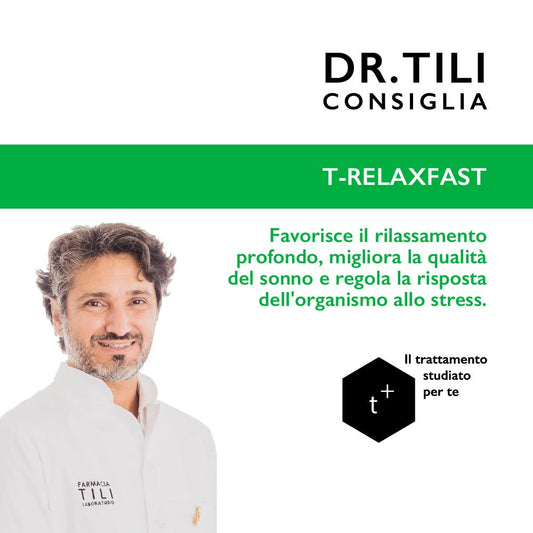
T - Relaxfast Sleep Supplement 60 Capsules Dr.Tili
Vendor:TilpharmaRegular price €19,60Regular priceUnit price per€24,50Sale price €19,60Sale -
Face Serum C5 Vitamin C 30ml Dr.Tili Skinlab
Vendor:TilabRegular price €50,00Regular priceUnit price per€62,50Sale price €50,00Sale -
Dr.Tili Skinlab E15 Vitamin E Face Serum 30ml
Vendor:TilabRegular price €26,00Regular priceUnit price per€32,50Sale price €26,00Sale -
Vit+ Face Vitamin Cream 50ml Dr.Tili Skinlab
Vendor:TilabRegular price €27,20Regular priceUnit price per€34,00Sale price €27,20Sale -
Anti-aging Facial Treatment Hyaluronic Acid IAL B3 30ml Dr.Tili Skinlab
Vendor:TilabRegular price €36,80Regular priceUnit price per€46,00Sale price €36,80Sale -
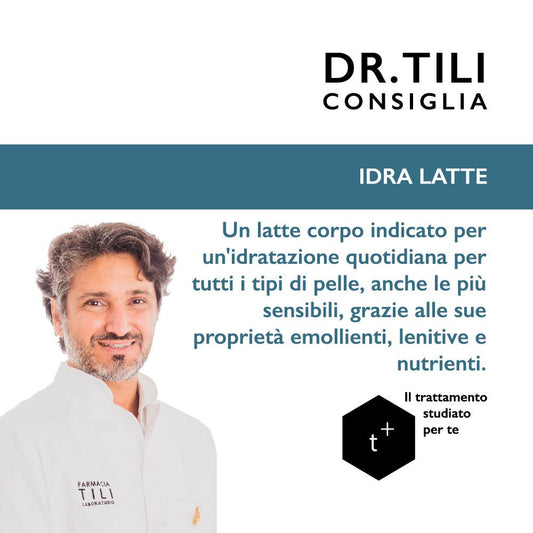
Body Milk Hydra Milk 200Ml. Dr.Tili Skinlab
Vendor:TilabRegular price €13,52Regular priceUnit price per€16,90Sale price €13,52Sale -
Facial Cleansing Milk 150ml Dr.Tili Skinlab
Vendor:TilabRegular price €15,12Regular priceUnit price per€18,90Sale price €15,12Sale -
Soothing Facial Toner 125ml Dr.Tili Skinlab
Vendor:TilabRegular price €11,60Regular priceUnit price per€14,50Sale price €11,60Sale -
Soothing Face Cream 50ml Dr.Tili Skinlab
Vendor:TilabRegular price €15,60Regular priceUnit price per€19,50Sale price €15,60Sale















-

ASSISTANCE - TELEPHONE ORDERS
-

SHIPPING
Shipping to Italy 24/48H
Delivery also on Saturday and Sunday
Free over €49.90
Shipping to Europe 24/72H
Free over €80 -

SAFETY
The security of your data is important to us!
We strictly comply with the European GDPR regarding
Privacy and processing of personal data
The payments you make on our site are 100% safe and guaranteed -

RETURNS
For returns, contact our customer service: you have 14 days to change your mind.
Immediate, free replacement of wrong or non-conforming products.


