

Johnson & Johnson
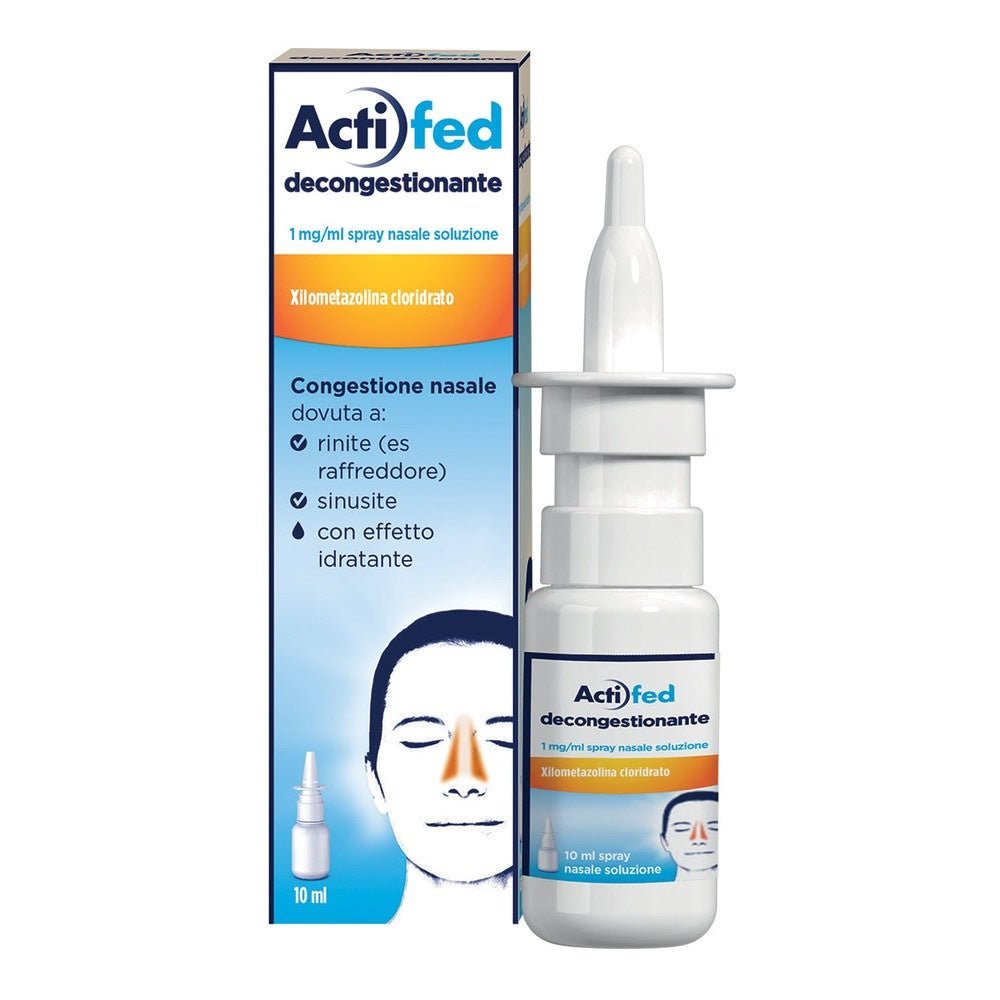
Actifed decongestant 1mg/ml nasal spray solution 10ml
Actifed decongestant 1mg/ml nasal spray solution 10ml
Actifed decongestant 1mg/ml nasal spray is indicated for the temporary symptomatic treatment of nasal congestion due to rhinitis or sinusitis . Based on xylometazoline hydrochloride , it quickly clears a stuffy nose, promoting easier breathing . With sodium hyaluronate and glycerol, it helps keep the nasal mucosa hydrated . Suitable for adults and children over 12 years old .
Couldn't load pickup availability

NET WEIGHT OF THE PRODUCT
NET WEIGHT OF THE PRODUCT
10ml
EAN
EAN
040282016
MINSAN
MINSAN
040282016
INDICATIONS
Temporary symptomatic treatment of nasal congestion due to rhinitis or sinusitis.
ACTIVE INGREDIENTS
Xylometazoline hydrochloride 1 mg in 1 ml of solution: Each spray-dose (140mcl) contains 140 mcg of xylometazoline hydrochloride. For the full list of excipients, see section 6.1.
EXCIPIENTS
Sodium hyaluronate, Sorbitol (E420), Glycerol (E422), Sodium dihydrogen phosphate dihydrate, Disodium phosphate dihydrate, Sodium chloride, Water for injections.
CONTRAINDICATIONS AND SIDE EFFECTS
ACTIFED DECONGESTANT must not be used: - in patients with hypersensitivity to the active ingredient or to any of the excipients listed in paragraph 6.1; - in patients with high intraocular pressure, particularly in the presence of narrow-angle glaucoma; - in patients with "dry" inflammation of the nasal mucosa (Dry rhinitis); - in children under 12 years of age; - after transsphenoidal hypophysectomy or other transnasal/transoral surgery with exposure of the dura mater; - in patients being treated with monoamine oxidase inhibitors (MAOIs) or who have used these drugs in the previous 2 weeks, or in patients taking other medicinal products with potential hypertensive effect; - in patients with atrophic or vasomotor rhinitis.
DOSAGE
For nasal use. Adults and children over 12 years old: One spray in each nostril no more than three times a day. This medicine must be used for a maximum of 7 days, unless otherwise prescribed by a doctor. To minimize the risk of infection, the product should not be used by more than one person and the nozzle should be cleaned after each use. Children: ACTIFED DECONGESTANT is contraindicated in children under 12 years of age (see paragraph 4.3). Elderly: Same dosage as adults.
CONSERVATION
Do not store above 25°C.
WARNINGS
Xylometazoline, like other medicines belonging to the same pharmacological category, should be administered with caution in patients with a marked reaction to sympathomimetic substances. The use of substances of this type can cause a series of disorders in such patients, such as insomnia, dizziness, tremors, arrhythmia or increased blood pressure. Particular caution is necessary in the case of patients suffering from cardiovascular diseases, hypertension, hyperthyroidism or diabetes, as well as in the case of patients with prostatic hypertrophy and pheochromocytoma. Patients with long QT syndrome treated with xylometazoline may be at increased risk of serious ventricular arrhythmias. In case of prolonged treatment with xylometazoline, the reappearance of the symptoms of rhinitis and edema of the mucous membrane is sometimes observed upon discontinuation of therapy. In these cases, it may also be the so-called "rebound" phenomenon caused by the medicine itself, which progresses to chronic edema and atrophy of the nasal mucosa (Rhinitis medicamentosa and Rhinitis sicca). To avoid this, the duration of treatment should be as short as possible (see section 4.2). Nasal and paranasal inflammations of bacterial origin must be treated appropriately. For the treatment of allergic rhinitis, this product can only be used temporarily as supportive therapy.
INTERACTIONS
The use of the product is not recommended in conjunction with tricyclic or tetracyclic antidepressant drugs or monoamine oxidase inhibitor drugs (MAOI), or within two weeks following the use of MAO inhibitors.
SIDE EFFECTS
The most frequently reported side effects of this medicine are tingling or burning of the nose and throat and dryness of the nasal mucosa. Based on their frequency, side effects have been divided into the following categories: Very common ≥1/10; Common ≥1/100 to <1/10; Uncommon ≥1/1000 to <1/100; Rare ≥1/10,000 to <1/1000; Very rare <1/10,000 including isolated reports; Not known, frequency cannot be estimated from the available data.
Immune System Disorders - Rare: Systemic allergic reactions.
Psychiatric disorders - Rare: Nervousness, insomnia.
Nervous system pathology - Rare: Headache, dizziness.
Eye disorders - Rare: Transient visual disturbances.
Cardiac disorders - Rare: Palpitation.
Vascular disorders - Rare: Increased blood pressure.
Respiratory, thoracic and mediastinal disorders - Common: Tingling and burning of the nose and throat and dryness of the nasal mucosa. Uncommon: Epistaxis. Not known: Rebound effect.
Gastrointestinal disorders - Rare: Nausea.
Reporting of suspected adverse reactions. Reporting suspected adverse reactions that occur after authorization of the medicine is important, as it allows continuous monitoring of the benefit/risk balance of the medicine. Healthcare professionals are asked to report any suspected adverse reactions via the national reporting system at https://www.aifa.gov.it/content/segnalazioni-reazioni-avverse
OVERDOSE
Being an imidazoline, systemic overdose of xylometazoline can cause a wide range of symptoms referable to cardiac and nervous system stimulation or depression. Cases of overdose are mainly linked to the use of the medicine in children. Reported symptoms of intoxication include severe paralysis of the central nervous system, sedation, dry mouth and sweating, as well as symptoms caused by stimulation of the sympathetic nervous system (tachycardia, irregular pulse and increased blood pressure). One drop (single dose) of the adult preparation xylometazoline (1 mg/ml) administered intranasally caused a 4-hour coma in a 15-day-old infant. During follow-up, the newborn completely recovered. Treatment of intoxication is nosotropic and may include administration of charcoal, gastric lavage, and oxygen inhalation. To reduce blood pressure, 5 mg of phentolamine in saline solution is administered slowly intravenously or 100 mg orally. If necessary, antipyretics and anticonvulsants are administered. The use of vasopressors is contraindicated.
PREGNANCY AND BREASTFEEDING
There are no data regarding the trans-placental passage of xylometazoline, nor its secretion into breast milk. Due to the potential systemic effect of vascular constriction, this medicine should not be used during pregnancy. During breastfeeding, this medicine should be used with caution as it is not known whether or not the active ingredient is transferred into breast milk.
EFFECTS ON DRIVING ABILITY
When used correctly, xylometazoline is not known to have any influence on the ability to drive or use machinery.
OUR PRODUCTS FOR THIS SEASON
-
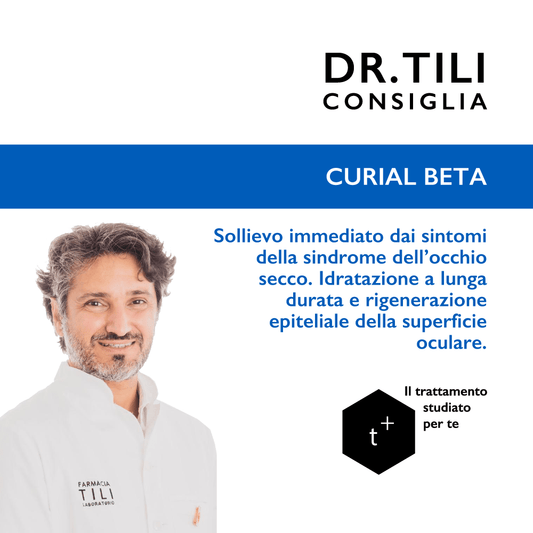
Curial βeta Dry eye supplement 30 capsules Dr.Tili
Vendor:TilpharmaRegular price €22,50Regular priceUnit price per€22,50Sale price €22,50 -
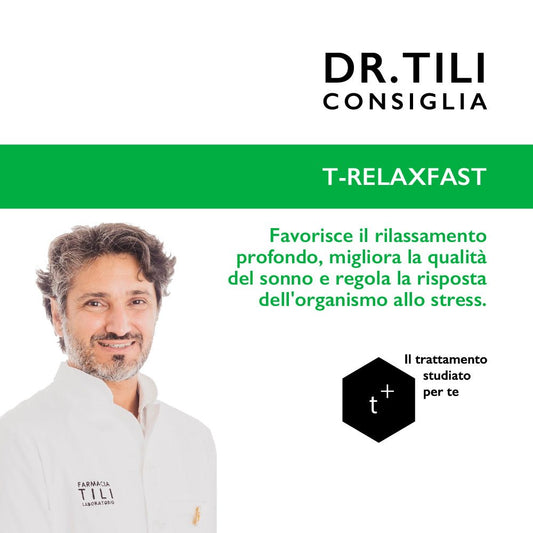
T - Relaxfast Sleep Supplement 60 Capsules Dr.Tili
Vendor:TilpharmaRegular price €24,50Regular priceUnit price per€24,50Sale price €24,50 -
Face Serum C5 Vitamin C 30ml Dr.Tili Skinlab
Vendor:TilabRegular price €62,50Regular priceUnit price per€62,50Sale price €62,50 -
Dr.Tili Skinlab E15 Vitamin E Face Serum 30ml
Vendor:TilabRegular price €32,50Regular priceUnit price per€32,50Sale price €32,50 -
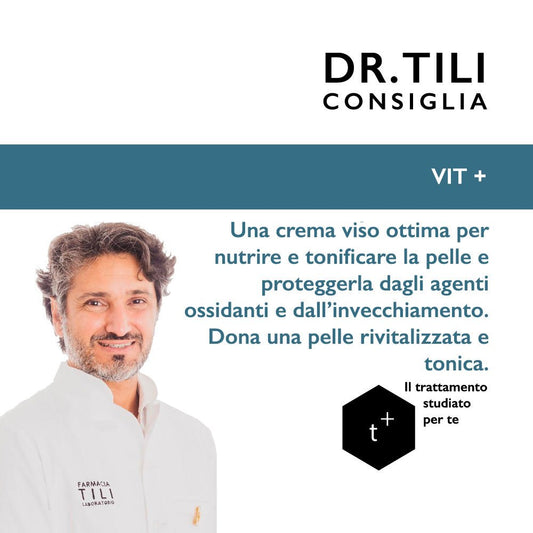
Vit+ Face Vitamin Cream 50ml Dr.Tili Skinlab
Vendor:TilabRegular price €34,00Regular priceUnit price per€34,00Sale price €34,00 -
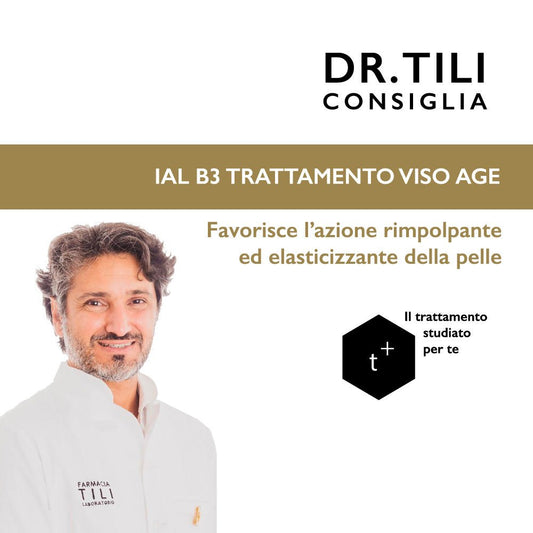
Anti-aging Facial Treatment Hyaluronic Acid IAL B3 30ml Dr.Tili Skinlab
Vendor:TilabRegular price €46,00Regular priceUnit price per€46,00Sale price €46,00 -
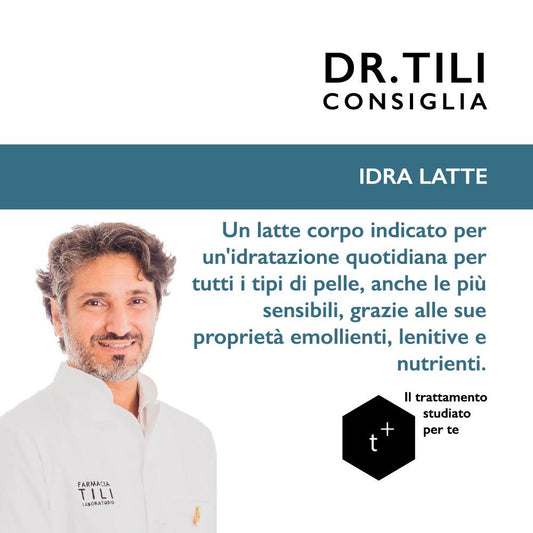
Body Milk Hydra Milk 200Ml. Dr.Tili Skinlab
Vendor:TilabRegular price €16,90Regular priceUnit price per€16,90Sale price €16,90 -
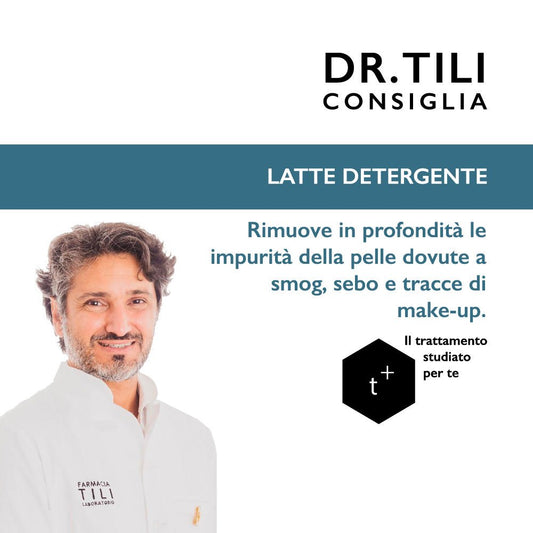
Facial Cleansing Milk 150ml Dr.Tili Skinlab
Vendor:TilabRegular price €18,90Regular priceUnit price per€18,90Sale price €18,90 -
Soothing Facial Toner 125ml Dr.Tili Skinlab
Vendor:TilabRegular price €14,50Regular priceUnit price per€14,50Sale price €14,50 -
Soothing Face Cream 50ml Dr.Tili Skinlab
Vendor:TilabRegular price €19,50Regular priceUnit price per€19,50Sale price €19,50











-

ASSISTANCE - TELEPHONE ORDERS
-

SHIPPING
Shipping to Italy 24/48H
Delivery also on Saturday and Sunday
Free over €49.90
Shipping to Europe 24/72H
Free over €80 -

SAFETY
The security of your data is important to us!
We strictly comply with the European GDPR regarding
Privacy and processing of personal data
The payments you make on our site are 100% safe and guaranteed -

RETURNS
Fast returns via DIY portal and 14 days to change your mind.
Immediate and free replacements for incorrect or non-compliant products delivered.


