

Johnson & Johnson
Actifed Decongestant 12 tablets 2.5mg + 60mg
Actifed Decongestant 12 tablets 2.5mg + 60mg
Actifed Decongestant 12 tablets 2.5mg + 60mg is an over-the-counter medication containing pseudoephedrine and triprolidine , indicated for stuffy noses caused by colds and seasonal allergies . The combined action of a nasal decongestant and antihistamine reduces secretions and congestion, offering rapid relief lasting up to 6 hours . Suitable for adults and children over 12 years of age.
Couldn't load pickup availability

NET WEIGHT OF THE PRODUCT
NET WEIGHT OF THE PRODUCT
12ct
EAN
EAN
018723080
MINSAN
MINSAN
018723080

Actifed Decongestant 12 tablets 2.5mg + 60mg is an over-the-counter decongestant medicine based on pseudoephedrine hydrochloride and triprolidine hydrochloride. The pseudoephedrine contained in Actifed is a mucosal decongestant nasal; Triprolidine is a antihistamine which reduces nasal secretions.
Actifed is a medicine used for relief from the symptoms of nasal congestion, due to colds and seasonal allergies. The combination of antihistamine e nasal decongestant quickly releases the stuffy nose and promotes nasal decongestion quickly for over 6 hours.
INDICATIONS
Why is Actifed Decongestant 12 tablets 2.5mg + 60mg used? What is it for?
Decongestant of the nasal mucosa, especially in case of colds.
ACTIVE INGREDIENTS AND EXCIPIENTS
What is the composition of Actifed Decongestant 12 tablets 2.5mg + 60mg?
Composition
Actifed tablets One tablet contains: • active ingredients: triprolidine hydrochloride 2.5 mg; pseudoephedrine hydrochloride 60.0 mg; • excipients with known effects: lactose. Actifed syrup 100 ml of syrup contains: • active ingredients: triprolidine hydrochloride 0.025 g; pseudoephedrine hydrochloride 0.600 g; • excipients with known effects: sucrose, methyl parahydroxybenzoate, sunset yellow (E110), sodium benzoate.
Excipients
Actifed tablets Each tablet contains: lactose; corn starch; povidone; magnesium stearate. Actifed syrup 100 ml of syrup contains: glycerol; sucrose; methyl parahydroxybenzoate; sodium benzoate; quinoline yellow (E104); sunset yellow (E110); purified water.
DOSAGE
How to take Actifed Decongestant 12 tablets 2.5mg + 60mg?
Dosage Actifed syrup The package includes a measuring cup with indicated level marks corresponding to the capacities of 5 and 10 ml. Adults and children over 12 years: a dose of 10 ml of syrup 2 - 3 times a day. Actifed tablets Adults and children over 12 years: one tablet 2 - 3 times a day. Do not exceed the recommended doses. Method of administration Oral use
CONTRAINDICATIONS AND SIDE EFFECTS
When should Actifed Decongestant 12 tablets 2.5mg + 60mg not be used and what side effects can it cause?
Contraindications
• hypersensitivity to the active ingredients, to other antihistamines or to any of the excipients (see the section "What is the composition of Actifed Decongestant 12 tablets 2.5mg + 60mg?"); • children under the age of 12; • Pregnancy and breastfeeding; • in patients being treated with monoamine oxidase inhibitors (MAOIs) or in the two weeks following such treatment, and in the treatment of lower respiratory tract diseases, including bronchial asthma. In such cases the concomitant use of Actifed may cause an increase in blood pressure or hypertensive crisis; • glaucoma, prostatic hypertrophy, bladder neck obstruction, pyloric and duodenal stenosis or other tracts of the gastrointestinal and urogenital system (due to its anticholinergic effects); • cardiovascular diseases, arterial hypertension, hyperthyroidism, epilepsy and diabetes.
Side effects
The following are adverse reactions reported with a frequency ≥1%, identified in randomized placebo-controlled studies, with formulations containing pseudophedrine as the single active ingredient: dry mouth, nausea, dizziness, insomnia and nervousness. There are no placebo-controlled clinical studies with sufficient data regarding adverse reactions for the combination of the active ingredients pseuoephedrine and triprolidine. Adverse reactions identified during post-marketing experience with pseudoephedrine, triprolidine or the combination are reported in Table 1 according to frequency categories using the following convention: § very common (≥ 1/10); • common (≥ 1/100 and less than 1/10); • uncommon (≥ 1/1,000 and less than 1/100); • rare (≥ 1/10,000 and less than 1/1,000); • very rare (less than 1/10,000); • not known (frequency cannot be estimated from the available data). Psychiatric disorders Very rare Anxiety, euphoric mood, hallucination, restlessness, visual hallucination. Nervous system disorders Very Rare Headache, paraesthesia, psychomotor hyperactivity (in the pediatric population), drowsiness, tremor. Not known Cerebrovascular accident*, posterior reversible encephalopathy (PRES), reversible cerebral vasoconstriction syndrome (RCVS) ((see the section "What are the warnings of Actifed Decongestant 12 tablets 2.5mg + 60mg?")) Cardiac diseases Very Rare Arrhythmia, extrasystoles, palpitations, tachycardia Not known Myocardial infarction/Myocardial ischemia* Systemic pathologies and conditions relating to the administration site Very Rare Asthenia. Immune system disorders Very rare Hypersensitivity Respiratory, thoracic and mediastinal disorders Very rare Epistaxis Gastrointestinal disorders Very rare Vomiting, abdominal discomfort. Not known Ischemic colitis ((see the section "What are the warnings of Actifed Decongestant 12 tablets 2.5mg + 60mg?"))* Pathologies of the skin and subcutaneous tissue Very rare Pruritus, rash, urticaria, angioedema. acute generalized exanthematous pustulosis (AGEP) ((see the section "What are the warnings of Actifed Decongestant 12 tablets 2.5mg + 60mg?")), angioedema. Renal and urinary disorders Very rare Dysuria, urinary retention. Diagnostic tests Very rare Blood pressure increased. Eye pathologies Not known Ischemic optic neuropathy *adverse reactions collected during the post-marketing experience with pseudoephedrine Actifed can also cause dizziness, photosensitivity reaction, diarrhoea, hyperviscosity of bronchial secretions, very rarely blood changes and especially in the elderly, hypotension. Reporting of suspected adverse reactions. Reporting suspected adverse reactions that occur after authorization of the medicine is important, as it allows continuous monitoring of the benefit/risk balance of the medicine. Healthcare professionals are asked to report any suspected adverse reactions via the national reporting system at https://www.aifa.gov.it/content/segnalazioni-reazioniavverse.
INTERACTIONS
Which medicines or foods can modify the effect of Actifed Decongestant 12 tablets 2.5mg + 60mg?
During concomitant use of monoamine oxidase inhibitors (MAOIs) and sympathomimetic amines, acute hypertensive crises have been reported in the medical literature. Pseudoephedrine exerts a vasoconstrictor action by stimulating adrenergic receptors and releasing norepinephrine from neuronal sites. Monoamine oxidase inhibitors (MAOIs) may enhance the pressor effect of pseudoephedrine, as they prevent the metabolism of sympathomimetic amines and increase the releasable amount of norepinephrine in adrenergic nervous tissue. The effects of antihistamines are made more evident by alcohol, hypnotics, sedatives, tranquilizers, and other substances with an anticholinergic action or depressant effect on the central nervous system, which therefore should not be taken during therapy. Antihistamines can shorten the duration of action of oral anticoagulants. The use of antihistamines can mask the early signs of ototoxicity of certain antibiotics. Furazolidone causes a progressive inhibition of monoamine oxidase, so it should not be taken at the same time as Actifed. The effect of antihypertensives that interfere with sympathetic activity (e.g. methyldopa, alpha and beta blockers, debrisoquine, guanethidine, betanidine and bretylium) can be partially canceled out by Actifed, which therefore, also in this case, should not be taken at the same time.
PREGNANCY AND BREASTFEEDING
Can Actifed Decongestant 12 tablets 2.5mg + 60mg be used during pregnancy and breastfeeding?
Actifed is contraindicated during pregnancy and breastfeeding.
WARNINGS
What are the warnings of Actifed Decongestant 12 tablets 2.5mg + 60mg?
Warnings and precautions
If symptoms persist or worsen, or if new symptoms appear, patients should stop using the medicine and consult a doctor. If symptoms do not improve within 7 days or if high fever or other side effects appear, patients should be advised to stop treatment and consult their doctor. Before taking triprolidine, patients with the following respiratory conditions such as emphysema, chronic bronchitis, or acute or chronic bronchial asthma, should be advised to consult a doctor. Triprolidine may cause drowsiness and may increase the sedative effects of substances that depress the central nervous system such as alcohol, sedatives, tranquilizers. It is necessary to inform patients that the use of alcoholic beverages should be avoided during treatment with Actifed and that it is advisable to consult the doctor before taking Actifed concomitantly with medicines that depress the central nervous system. At common therapeutic doses, antihistamines present secondary reactions that vary greatly from subject to subject and from compound to compound. For the dosage in the elderly it is necessary to consider their greater sensitivity towards antihistamines and pseudoephedrine. Although pseudoephedrine did not produce important effects on the blood pressure of normotensive subjects, Actifed should not be taken by patients treated with antihypertensives, tricyclic antidepressants, sympathomimetic agents, such as decongestants, anorectics, amphetamine-like agents. Rare cases of posterior reversible encephalopathy (PRES)/reversible cerebral vasoconstriction syndrome (RCVS) have been reported with sympathomimetic drugs, including pseudoephedrine. Reported symptoms include sudden onset of severe headache, nausea, vomiting, and visual disturbances. If signs or symptoms of PRES/RCVS develop, treatment with pseudoephedrine should be discontinued and a doctor should be consulted immediately. Ischemic colitis Some cases of ischemic colitis have been reported with medicinal products containing pseudoephedrine. If sudden abdominal pain, rectal tenesmus, rectal bleeding or other symptoms of ischemic colitis develop ((see section "When should Actifed Decongestant 12 tablets 2.5mg + 60mg not be used and what side effects can it cause?")), the use of pseudoephedrine should be discontinued and a doctor should be consulted. Ischemic optic neuropathy Cases of ischemic optic neuropathy have been reported with pseudoephedrine. Pseudoephedrine should be discontinued if sudden loss of vision or reduction in visual acuity occurs, for example in the case of a scotoma. Skin Safety Serious skin reactions such as acute generalized exanthematous pustulosis (AGEP) may occur with products containing pseudoephedrine. This acute pustular eruption may occur within the first 2 days of treatment, with fever and numerous, small, mostly non-follicular pustules resulting from a widespread edematous erythema and localized mainly on the skin folds, trunk and upper limbs. Patients should be carefully monitored. If signs and symptoms such as pyrexia, erythema, or numerous small pustules are observed, the administration of Actifed must be stopped and appropriate measures must be taken if necessary ((see the section "When should Actifed Decongestant 12 tablets 2.5mg + 60mg not be used and what side effects can it cause?")). Actifed should not be used by patients with severe liver disease or reduced kidney function unless the doctor deems it necessary. Important information about some excipients: Actifed syrup contains: • sucrose. Patients suffering from rare hereditary problems of fructose intolerance, glucose-galactose malabsorption, or sucrase isomaltase insufficiency should not take this medicine. This medicine contains 7 g of sucrose per dose. To be taken into consideration in people suffering from diabetes mellitus; • methyl parahydroxybenzoate. May cause allergic reactions (even delayed); • sunset yellow (E110). May cause allergic reactions; • 10 mg of sodium benzoate per dose (10 ml of syrup) • less than 1 mmol (23 mg) of sodium per dose (10 ml of syrup), i.e. essentially “sodium-free”. Actifed tablets contains lactose: • Patients suffering from rare hereditary problems of galactose intolerance, total lactase deficiency, or glucose-galactose malabsorption should not take this medicine.
Overdose
In case of overdosage, marked depressant (due to triprolidine) or stimulant (due to pseudoephedrine) effects on the CNS are generally observed. Effects of triprolidine: drowsiness, lethargy, respiratory depression, hypertension, hyperthermia, anticholinergic syndrome (mydriasis, flushing, fever, dry mouth, urinary retention, reduced borborygmi) tachycardia, hypotension, nausea, vomiting, agitation, confusional state, hallucinations, psychosis, convulsions, arrhythmias. Patients suffering from prolonged agitation, coma, or seizures may rarely experience rhabdomyolysis and renal failure Effects of pseudoephedrine: Overdose may cause nausea, vomiting, sympathomimetic symptoms including CNS stimulation, insomnia, mydriasis, irritability, convulsions, anxiety, agitation, hallucinations, palpitations, tachycardia, hypertension, reflex bradycardia. Other effects may include arrhythmias, hypertensive crisis, intracerebral hemorrhage, myocardial infarction, psychosis, rhabdomyolysis, hypokalemia, intestinal infarction. In children the dominant action is the exciting one with accentuated tremors, insomnia, hyperactivity and convulsions, drowsiness has also been reported. Keep out of reach of children. In case of overdose, seek medical help or contact a poison control center immediately.
Driving vehicles and using machinery
Actifed may cause drowsiness; this may impair your ability to drive or use machinery. If this side effect occurs, the patient should avoid driving vehicles and using machinery.
CONSERVATION
How is Actifed Decongestant 12 tablets 2.5mg + 60mg stored?
Actifed syrup Store away from light. Actifed tablets Store at a temperature not exceeding 25°C, in a dry place.
FORMAT
What is the format of Actifed Decongestant 12 tablets 2.5mg + 60mg?
12 tablets 2.5mg + 60mg
DRUG LEGAL TEXT
Content responsibility
This sheet contains information that is not intended to replace a doctor's diagnosis or advice, as only the doctor can draw up any prescription and give therapeutic indications. All contents must be understood and are of an exclusively informative nature and aimed exclusively at bringing to the attention of customers or potential customers in the pre-purchase phase of the products sold through this site. In case of pathologies, disorders or allergies it is always best to consult your doctor first.
Please note
The product names, ingredients and percentages indicated in the descriptions are purely indicative and may be subject to changes or updates by the manufacturing companies. Due to the impossibility of adapting to these updates in real time, the photos and technical information of the products included on Dottortili.com may differ from those shown on the label or otherwise disseminated by the manufacturing companies. The only identification element appears to be the ministerial code MINSAN. The online pharmacy Dottortili.com does not guarantee the truthfulness and timeliness of the information published and declines any responsibility for any errors, omissions or failure to update the same. Dottortili.com assumes no responsibility for damages of any nature that may arise from access to the information published.
Data source: Farmadati Italia
Website: www.farmadati.it
The Farmadati Italia database is used by almost all pharmacies, parapharmacies, herbalist shops, health shops, large-scale retail trade, computerized doctors, etc. thanks to the guarantee of historical reliability, seriousness and professionalism of the company on the national territory.
The Farmadati Italia S.r.l management system complies with the requirements of the UNI EN ISO 9001:2015 standards for quality management systems and UNI CEI ISO/IEC 27001:2017 for information security management systems.
OUR PRODUCTS FOR THIS SEASON
-
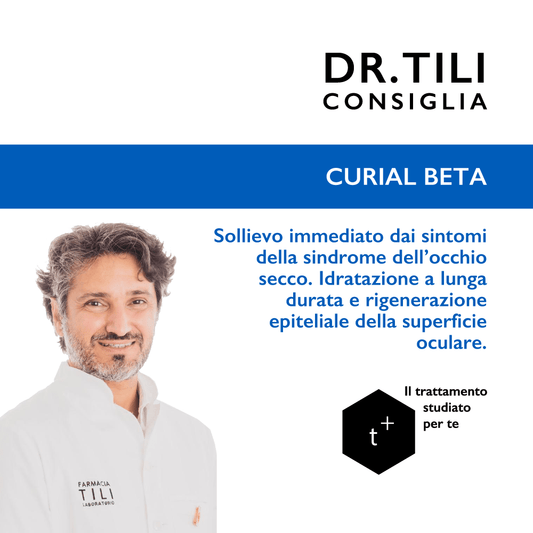
Curial βeta Dry eye supplement 30 capsules Dr.Tili
Vendor:TilpharmaRegular price €22,50Regular priceUnit price per€22,50Sale price €22,50 -
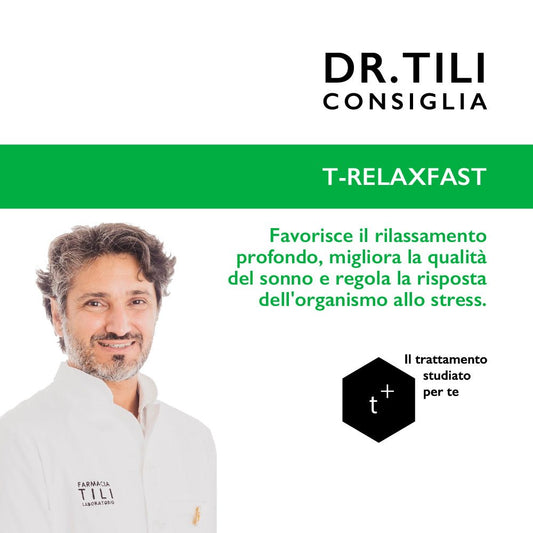
T - Relaxfast Sleep Supplement 60 Capsules Dr.Tili
Vendor:TilpharmaRegular price €24,50Regular priceUnit price per€24,50Sale price €24,50 -
Face Serum C5 Vitamin C 30ml Dr.Tili Skinlab
Vendor:TilabRegular price €62,50Regular priceUnit price per€62,50Sale price €62,50 -
Dr.Tili Skinlab E15 Vitamin E Face Serum 30ml
Vendor:TilabRegular price €32,50Regular priceUnit price per€32,50Sale price €32,50 -
Vit+ Face Vitamin Cream 50ml Dr.Tili Skinlab
Vendor:TilabRegular price €34,00Regular priceUnit price per€34,00Sale price €34,00 -
Anti-aging Facial Treatment Hyaluronic Acid IAL B3 30ml Dr.Tili Skinlab
Vendor:TilabRegular price €46,00Regular priceUnit price per€46,00Sale price €46,00 -
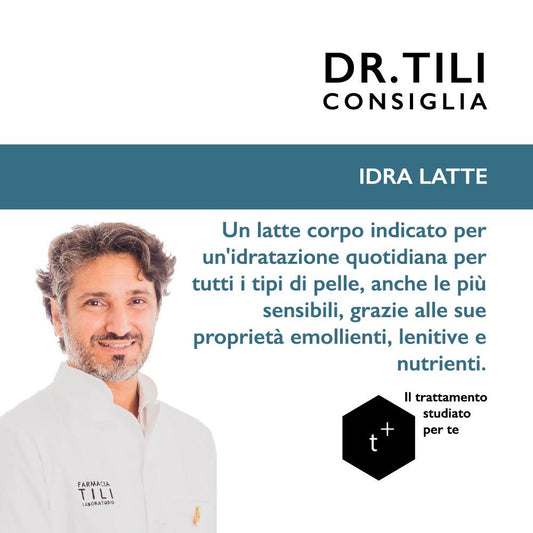
Body Milk Hydra Milk 200Ml. Dr.Tili Skinlab
Vendor:TilabRegular price €16,90Regular priceUnit price per€16,90Sale price €16,90 -
Facial Cleansing Milk 150ml Dr.Tili Skinlab
Vendor:TilabRegular price €18,90Regular priceUnit price per€18,90Sale price €18,90 -
Soothing Facial Toner 125ml Dr.Tili Skinlab
Vendor:TilabRegular price €14,50Regular priceUnit price per€14,50Sale price €14,50 -
Soothing Face Cream 50ml Dr.Tili Skinlab
Vendor:TilabRegular price €19,50Regular priceUnit price per€19,50Sale price €19,50














-

ASSISTANCE - TELEPHONE ORDERS
-

SHIPPING
Shipping to Italy 24/48H
Delivery also on Saturday and Sunday
Free over €49.90
Shipping to Europe 24/72H
Free over €80 -

SAFETY
The security of your data is important to us!
We strictly comply with the European GDPR regarding
Privacy and processing of personal data
The payments you make on our site are 100% safe and guaranteed -

RETURNS
Fast returns via DIY portal and 14 days to change your mind.
Immediate and free replacements for incorrect or non-compliant products delivered.


