

Zentiva
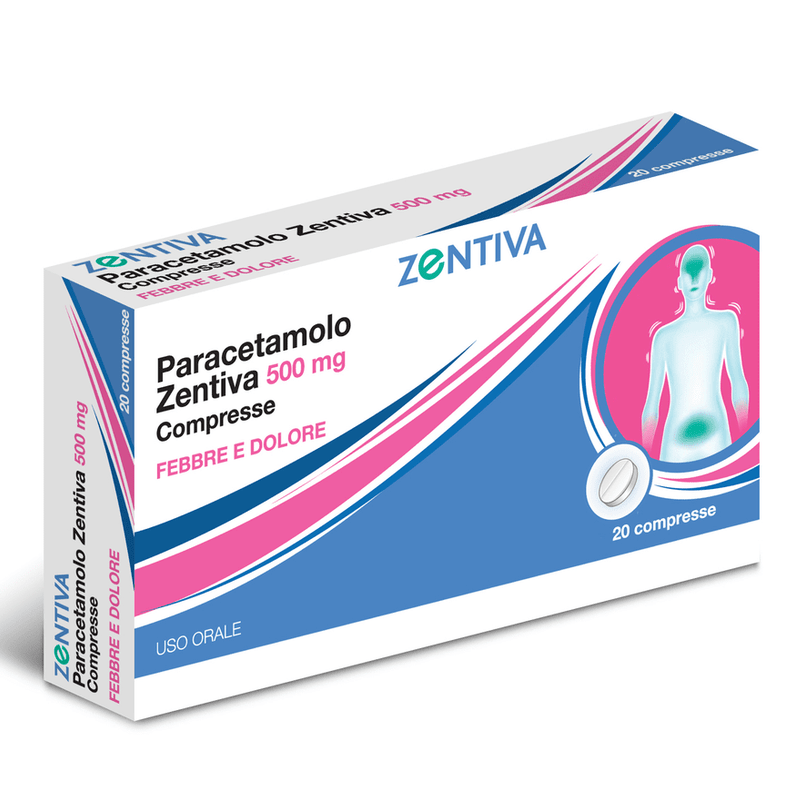
Paracetamol Zentiva 500mg 20 tablets
Paracetamol Zentiva 500mg 20 tablets
Paracetamol Zentiva 500mg is an analgesic and antipyretic indicated for the treatment of mild to moderate pain and fever in adults and children over 6 years of age (weighing > 21 kg). Each tablet contains 500 mg of paracetamol for rapid and safe action on headaches, muscle aches, and flu-like symptoms. Easy-to-swallow tablets, ideal for quick relief when needed.
Couldn't load pickup availability

NET WEIGHT OF THE PRODUCT
NET WEIGHT OF THE PRODUCT
20ct
EAN
EAN
049925035
MINSAN
MINSAN
049925035
INDICATIONS
Short-term symptomatic treatment of mild to moderate pain and/or fever. Paracetamol Zentiva S.r.l. 500 mg is intended for adults, adolescents and children weighing more than 21 kg (6 years of age and older). Paracetamol Zentiva S.r.l. 1000 mg is intended for adults and adolescents weighing more than 60 kg (15 years of age and older).
ACTIVE INGREDIENTS
Paracetamol Zentiva S.r.l. 500 mg tablets: each tablet contains 500 mg of paracetamol. Paracetamol Zentiva S.r.l.. 1000 mg tablets: each tablet contains 1,000 mg of paracetamol. For the full list of excipients, see section 6.1.
EXCIPIENTS
Pregelatinized starch, corn starch, talc (E 553), stearic acid (E 570), povidone (E 1201), potassium sorbate (E 202).
CONTRAINDICATIONS AND SIDE EFFECTS
- Hypersensitivity to the active substance or to any of the excipients listed in paragraph 6.1. - Severe liver failure. - Acute hepatitis.
DOSAGE
Dosage The lowest effective dose should be used for the shortest time possible. The maximum daily dose must not be exceeded. Paracetamol is dosed according to body weight and age, usually 10 - 15 mg/kg body weight as a single dose, up to a maximum daily dose of 60 mg/kg body weight. For dosage based on body weight and age see tables. Paracetamol Zentiva S.r.l.500 mg tablets Paracetamol Zentiva S.r.l. 500 mg tablets are not intended for children under 6 years of age with body weight less than 21 kg.
Age: 6 - 8 years - Body weight: 21 - 24 kg. Single dose: 250 mg. Maximum daily dose: 1.25 g. Dosage interval: at least 4 - 6 hours.
Age: 9 - 10 years - Body weight: 25 - 32 kg. Single dose: 250 mg. Maximum daily dose: 1.5 g. Dosage interval: at least 4 - 6 hours.
Age: 10 - 12 years - Body weight: > 33 kg. Single dose: 500 mg. Maximum daily dose: 2 g. Dosage interval: at least 4 - 6 hours.
Age: 12 - 15 years - Body weight: 34 ‒ 60 kg. Single dose: 500 mg. Maximum daily dose: 3 g. Dosage interval: at least 4 - 6 hours.
Age: > 15 years - Body weight: 34 ‒ 60 kg. Single dose: 500 mg. Maximum daily dose: 3 g. Dosage interval: at least 4 - 6 hours.
Age: > 15 years - Body weight: > 60 kg. Single dose: 500 - 1000 mg. Maximum daily dose: 3 g*. Dosage interval: at least 4 - 6 hours.
* Only after consulting a doctor, the maximum daily dose in patients with body weight > 60 kg can be increased to 4 g of paracetamol. Paracetamol Zentiva S.r.l. 1000 mg tablets Paracetamol Zentiva S.r.l. 1000 mg tablets are not intended for children and adolescents under 15 years of age and weighing less than 60 kg.
Age: > 15 years - Body weight: > 60 kg. Single dose: 1000 mg. Maximum daily dose: 3 g*. Dosage interval: at least 4 - 6 hours.
* Only after consulting a doctor, the maximum daily dose in patients with body weight > 60 kg can be increased to 4 g of paracetamol. Renal failure Paracetamol should be used with caution in patients with renal insufficiency as a reduced dose and/or a prolonged administration interval is required (see section 4.4). The maximum single dose should not exceed 500 mg. - A dosing interval of 6 hours with a glomerular filtration rate of 50 ± 10 ml/min is recommended. - A dosing interval of 8 hours with a glomerular filtration rate of less than 10 ml/min is recommended. Liver failure Paracetamol should be used with caution in patients with mild to moderate hepatic impairment or Gilbert's syndrome as the dose should be reduced or the interval between administrations should be extended (see section 4.4). In these patients, the daily dose should not exceed 60 mg/kg (maximum 2 g/day). The use of this medicinal product is contraindicated in patients with severe hepatic impairment (see section 4.3). Elderly Experience has indicated that the normal dosage of paracetamol for adults is generally appropriate. However, in frail and immobile elderly subjects or in elderly patients with renal or hepatic insufficiency, a reduction in the quantity or frequency of administration may be appropriate (see section 4.4). Method of administration For oral use. The tablets should be swallowed with a sufficient amount of liquid.
CONSERVATION
This medicinal product does not require any special storage conditions.
WARNINGS
Patients should be advised not to use other medicinal products containing paracetamol at the same time. Cases of acetaminophen-induced hepatotoxicity, including fatal cases, have been reported in patients taking acetaminophen at doses within the therapeutic range. These cases have been reported in patients with one or more risk factors for hepatotoxicity including low body weight (<50 kg), renal and hepatic insufficiency, chronic alcoholism, concomitant use of hepatotoxic drugs and in acute and chronic malnutrition (low hepatic glutathione reserves). Paracetamol should be used with caution in patients with glucose-6-phosphate dehydrogenase deficiency, haemolytic anemia, glutathione deficiency, chronic malnutrition, chronic alcoholism, dehydration, the elderly and in patients with mild to moderate hepatic impairment and/or renal impairment (see section 4.2). Regular monitoring of liver function tests is recommended in patients with impaired liver function and in those receiving high doses of paracetamol for a long period. The risk of serious hepatotoxic effects increases significantly with increasing dose and duration of treatment. Underlying liver disease increases the risk or acetaminophen-related liver injury. The risk of overdose is greater in patients with non-cirrhotic liver damage caused by alcohol. Alcohol intake should be avoided during therapy. Long-term alcohol consumption significantly increases the risk of paracetamol hepatotoxicity. Measurement of prothrombin time is necessary in concomitant therapy with oral anticoagulants and long-term regular daily intake of paracetamol. The possibility of renal failure cannot be excluded in long-term treatment. Caution is advised if acetaminophen is administered concurrently with flucloxacillin due to the increased risk of high anion gap metabolic acidosis (HAGMA), particularly in patients with severe renal impairment, sepsis, malnutrition, and other sources of glutathione deficiency (e.g., chronic alcoholism), as well as in those using maximum daily doses of acetaminophen. Close monitoring, including measurement of urinary 5-oxoproline, is recommended.
INTERACTIONS
The rate of absorption of paracetamol may be increased by metoclopramide or domperidone. However, concomitant use need not be avoided. Cholestyramine reduces the absorption of paracetamol. Paracetamol should be administered at least 1 hour before or 4-6 hours after cholestyramine. Long-term co-administration with acetylsalicylic acid or other NSAIDs may cause renal damage. The anticoagulant effect of warfarin or other coumarin products may be increased along with an increased risk of bleeding with long-term regular daily intake of paracetamol. Occasional use has no significant effects. Hepatotoxic substances may increase the potential accumulation and overdose of acetaminophen. Paracetamol may influence the pharmacokinetics of chloramphenicol. Therefore, an analysis of chloramphenicol in plasma is recommended in case of combined treatment with chloramphenicol for injection. Probenecid reduces the clearance of paracetamol by almost 50%. Therefore, the dose of paracetamol can be halved during concomitant treatment. Microsomal enzyme inducers (e.g., rifampicin, phenobarbital, phenytoin, carbamazepine, St. John's wort) reduce the bioavailability of paracetamol through increased glucuronidation and the risk of liver toxicity increases. Such combinations should be avoided. Concomitant use of paracetamol and zidovudine may lead to an increased risk of neutropenia. Concomitant use of paracetamol and isoniazid may lead to an increased risk of hepatotoxicity. Caution should be exercised when paracetamol is used concomitantly with flucloxacillin as concomitant use has been associated with high anion gap metabolic acidosis, especially in patients with risk factors (see section 4.4).
SIDE EFFECTS
Administration of paracetamol may cause the following side effects (classified into groups according to MedDRA terminology with indication of the frequency of incidence as follows: very common (≥1/10); common (from: ≥1/100 to: <1/10); uncommon (from: ≥1/1,000 to: <1/100); rare (from: ≥1/10,000 to. <1/1,000); rare (<1/10,000), not known (frequency cannot be estimated from the available data).
Blood and lymphatic system disorders - Frequency: Very rare. Side effects: Thrombocytopenia.
Immune system disorders - Frequency: Rare. Side effects: Skin hypersensitivity reaction incl. rash and angioedema.
Immune system disorders - Frequency: Very rare. Side effects: Anaphylaxis.
Respiratory, thoracic and mediastinal disorders - Frequency: Very rare. Side effects: Bronchospasm*.
Hepatobiliary disorders - Frequency: Very rare. Side effects: Abnormal liver function.
Skin and subcutaneous tissue disorders - Frequency: Very rare. Side effects: Cases of severe skin reactions such as toxic epidermal necrolysis (TEN), Stevens-Johnson syndrome (SJS), acute generalized exanthematous pustulosis.
* In patients sensitive to acetylsalicylic acid or other NSAIDs. Reporting of suspected adverse reactions Reporting suspected adverse reactions that occur after authorization of the medicine is important, as it allows continuous monitoring of the benefit/risk balance of the medicine. Healthcare professionals are asked to report any suspected adverse reactions via the national reporting system at https://www.aifa.gov.it/content/segnalazioni-reazioni-avverse.
OVERDOSE
In case of an overdose of paracetamol, immediate medical attention is required, even if there are no symptoms of overdose. Symptoms Overdose with even relatively low doses of paracetamol can cause serious liver damage and, sometimes, acute renal tubular necrosis. Nausea, vomiting, lethargy, anorexia, paleness, and sweating may occur within 24 hours or patients may be asymptomatic. Abdominal pain may be the first symptom of liver damage and occurs within 1 to 2 days. Paracetamol overdose can cause liver cell necrosis which may induce complete and irreversible necrosis, resulting in hepatocellular failure, metabolic acidosis and encephalopathy which may lead to coma and death. Simultaneously, increased levels of hepatic transaminases (AST, ALT), lactate dehydrogenase and bilirubin are observed along with prolonged prothrombin time which may appear 12 to 48 hours after administration. Prolongation of prothrombin time is one of the indicators of impaired liver function and therefore monitoring is recommended. Complications of liver failure include brain edema, bleeding, hypoglycemia, hypotension, infections, and renal failure. Liver damage is possible in patients who have taken more than the recommended amount of acetaminophen. Excessive amounts of the toxic metabolite are believed to bind irreversibly to liver tissue. Some patients may be at increased risk of liver damage due to acetaminophen toxicity. Risk factors include: - Patients with liver disease. - Elderly patients. - Small children. - Patients on long-term treatment with carbamazepine, phenobarbitone, phenytoin, primidone, rifampin, St. John's wort or other drugs that induce liver enzymes. - Patients who regularly consume alcohol in excess of recommended quantities. - Patients with glutathione depletion, e.g. eating disorders, cystic fibrosis, HIV infection, starvation, cachexia. Acute renal failure can occur without the presence of severe liver failure. Other manifestations of intoxication are myocardial damage, cardiac arrhythmias and pancreatitis. Management Hospitalization is required. Blood sampling should be performed to determine the initial plasma concentration of paracetamol. In case of a single acute overdose, the plasma concentration of paracetamol should be measured 4 hours after ingestion. Induction of vomiting, gastric lavage, especially if paracetamol has been ingested less than 4 hours before, then administration of methionine (2.5 g orally) should be prepared, and supportive measures are appropriate. The administration of activated charcoal to reduce gastrointestinal absorption is controversial. The specific antidote N-acetylcysteine should be administered as soon as possible, within 8 ± 15 hours of poisoning, but beneficial effects have also been observed with subsequent administration of acetylcysteine. Acetylcysteine should be administered in accordance with national therapeutic guidelines, it is usually administered to adults, adolescents and children IV in 5% glucose solution, the initial dose should be 150 mg/kg body weight over 15 minutes. Furthermore, 50 mg/kg in infusion of 5% glucose solution for a period of 4 hours, and then 100 mg/kg until 16a resp. 20a hour since the start of therapy. Acetylcysteine can also be administered orally within 10 hours of ingestion of a toxic dose of paracetamol at a dose of 70 - 140 mg/kg 3 times a day. Hemodialysis or hemoperfusion is in place in case of very severe intoxication. Symptomatic treatment should be implemented.
PREGNANCY AND BREASTFEEDING
Pregnancy A large amount of data on pregnant women indicates neither malformation nor fetal/neonatal toxicity. Epidemiological studies on neurological development in children exposed to paracetamol in utero show inconclusive results. If clinically necessary, paracetamol can be used during pregnancy, however it should be used at the lowest effective dose for the shortest possible time and with the lowest possible frequency. Breastfeeding Paracetamol passes into breast milk but is unlikely to affect the baby at therapeutic doses. It is not necessary to interrupt breastfeeding during short-term treatment with the recommended doses of this medicine. Fertility No clinical data are available.
EFFECTS ON DRIVING ABILITY
Paracetamol Zentiva S.r.l. does not alter the ability to drive vehicles and use machinery.
OUR PRODUCTS FOR THIS SEASON
-
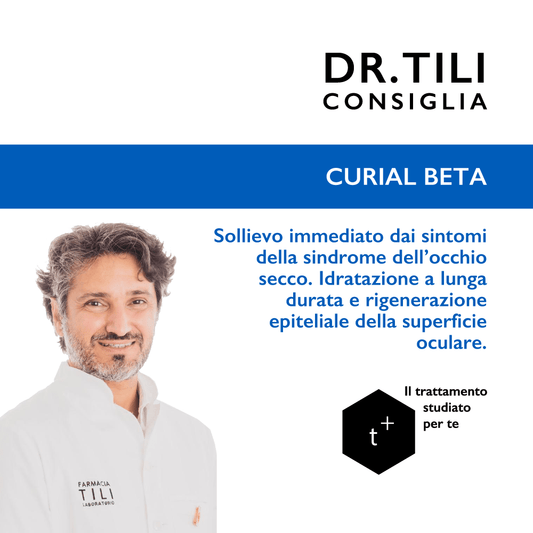
Curial βeta Dry eye supplement 30 capsules Dr.Tili
Vendor:TilpharmaRegular price €22,50Regular priceUnit price per€22,50Sale price €22,50 -
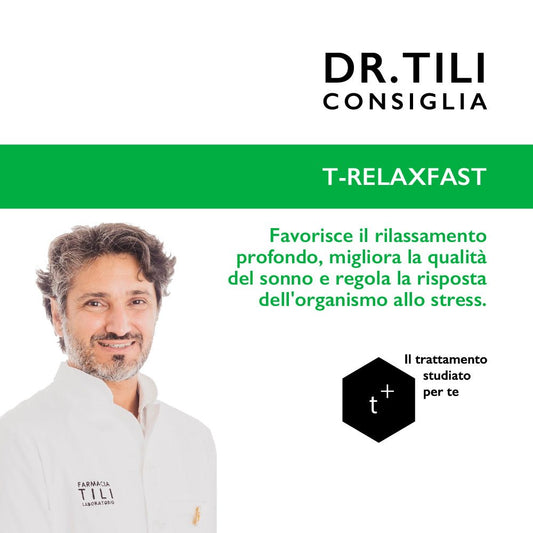
T - Relaxfast Sleep Supplement 60 Capsules Dr.Tili
Vendor:TilpharmaRegular price €24,50Regular priceUnit price per€24,50Sale price €24,50 -
Face Serum C5 Vitamin C 30ml Dr.Tili Skinlab
Vendor:TilabRegular price €62,50Regular priceUnit price per€62,50Sale price €62,50 -
Dr.Tili Skinlab E15 Vitamin E Face Serum 30ml
Vendor:TilabRegular price €32,50Regular priceUnit price per€32,50Sale price €32,50 -
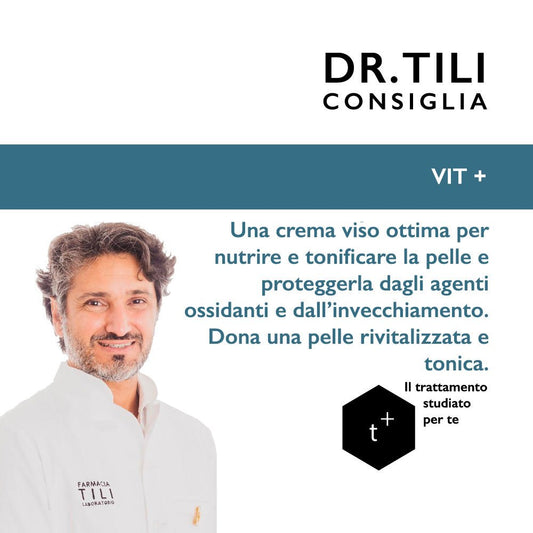
Vit+ Face Vitamin Cream 50ml Dr.Tili Skinlab
Vendor:TilabRegular price €34,00Regular priceUnit price per€34,00Sale price €34,00 -
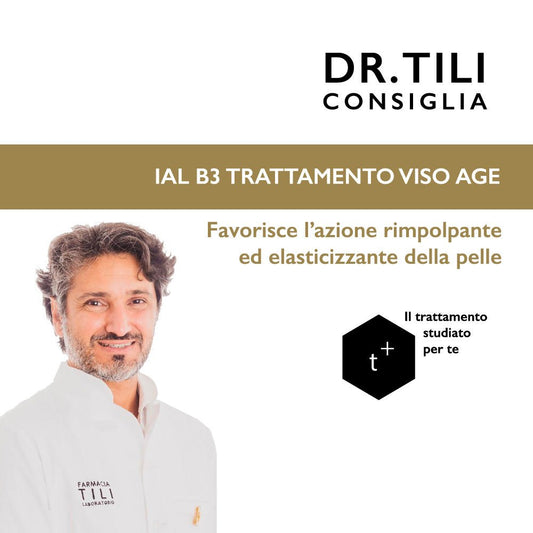
Anti-aging Facial Treatment Hyaluronic Acid IAL B3 30ml Dr.Tili Skinlab
Vendor:TilabRegular price €46,00Regular priceUnit price per€46,00Sale price €46,00 -
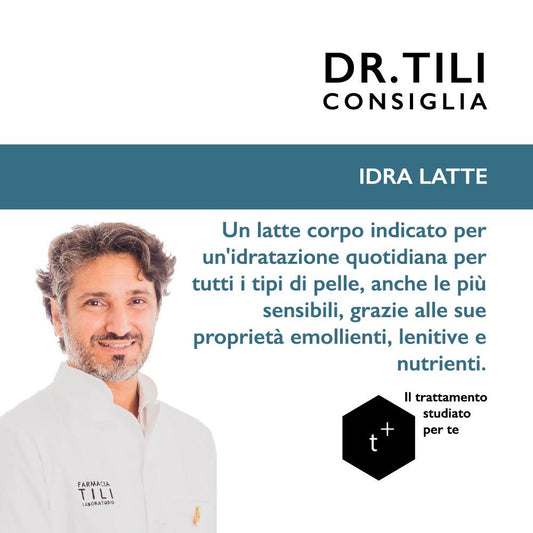
Body Milk Hydra Milk 200Ml. Dr.Tili Skinlab
Vendor:TilabRegular price €16,90Regular priceUnit price per€16,90Sale price €16,90 -
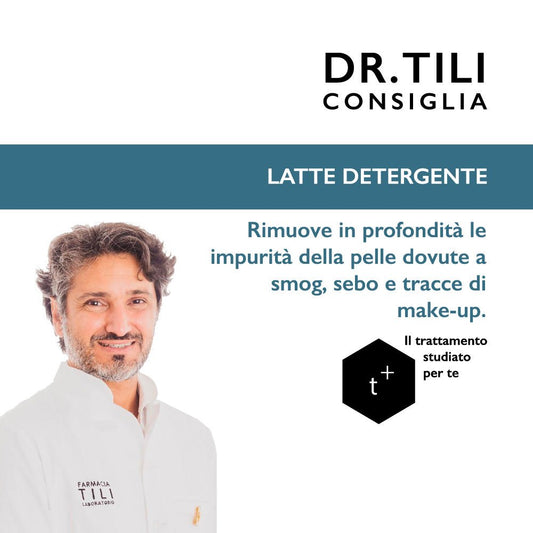
Facial Cleansing Milk 150ml Dr.Tili Skinlab
Vendor:TilabRegular price €18,90Regular priceUnit price per€18,90Sale price €18,90 -
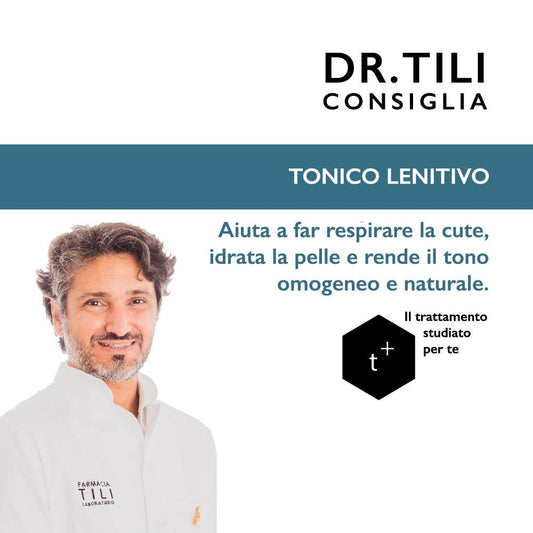
Soothing Facial Toner 125ml Dr.Tili Skinlab
Vendor:TilabRegular price €14,50Regular priceUnit price per€14,50Sale price €14,50 -
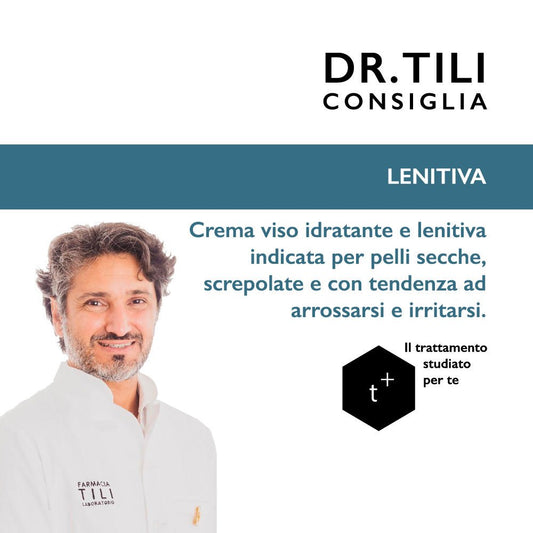
Soothing Face Cream 50ml Dr.Tili Skinlab
Vendor:TilabRegular price €19,50Regular priceUnit price per€19,50Sale price €19,50









-

ASSISTANCE - TELEPHONE ORDERS
-

SHIPPING
Shipping to Italy 24/48H
Delivery also on Saturday and Sunday
Free over €49.90
Shipping to Europe 24/72H
Free over €80 -

SAFETY
The security of your data is important to us!
We strictly comply with the European GDPR regarding
Privacy and processing of personal data
The payments you make on our site are 100% safe and guaranteed -

RETURNS
Fast returns via DIY portal and 14 days to change your mind.
Immediate and free replacements for incorrect or non-compliant products delivered.


