

PERRIGO ITALIA Srl
EllaOne 30 mg 1 film-coated tablet oral
EllaOne 30 mg 1 film-coated tablet oral

EllaOne 30 mg is a next-generation emergency contraceptive for the prevention of unwanted pregnancy after unprotected intercourse or contraceptive failure. Based on ulipristal acetate , it is effective if taken within 120 hours (5 days) , acting on ovulation. A single oral tablet , available without a prescription from online pharmacies, guarantees speed, discretion, and safety.
Couldn't load pickup availability

NET WEIGHT OF THE PRODUCT
NET WEIGHT OF THE PRODUCT
EAN
EAN
039366036
MINSAN
MINSAN
039366036

EllaOne 30 mg 1 coated tablet oral film is a latest-generation emergency contraceptive , indicated for the prevention of unwanted pregnancy after unprotected intercourse or in the event of failure of another contraceptive method. Its effectiveness is guaranteed if taken within 120 hours (5 days) of risky intercourse, offering a wider intervention window than other available solutions. The active ingredient, ulipristal acetate , acts by inhibiting or delaying ovulation, thus reducing the risk of pregnancy.
The 30 mg film-coated tablet is easy to take orally, with or without food, and represents a quick and discreet solution for women who need an effective and safe morning-after pill . EllaOne is suitable for all women of childbearing age, including teenagers, and can also be purchased without a prescription from an online pharmacy, ensuring privacy and timeliness. Its formulation also contains lactose and other excipients that ensure its stability and ease of intake.
Thanks to its proven efficacy and safety profile evaluated on thousands of women, EllaOne is today the reference choice among emergency contraceptives . It is important to remember that EllaOne does not replace a regular method of contraception, but represents a reliable solution in case of emergency.
ACTIVE INGREDIENTS
Active substances contained in EllaOne 30 mg 1 film-coated tablet oral - What is the active substance of EllaOne 30 mg 1 film-coated tablet oral?
Each tablet contains 30 mg ulipristal acetate. Excipients with known effect Each tablet contains 237 mg lactose (as monohydrate). For the full list of excipients, see section 6.1.EXCIPIENTS
Composition of EllaOne 30 mg 1 oral film-coated tablet - What does EllaOne 30 mg 1 oral film-coated tablet contain?
Tablet core: Lactose monohydrate Povidone Croscarmellose sodium Magnesium stearate Film coating: Polyvinyl alcohol (E1203) Macrogol (E1521) Talc (E553b) Titanium dioxide (E171) Polysorbate 80 (E433) Yellow iron oxide (E172) Potassium aluminium silicate (E555)DIRECTIONS
Therapeutic indications EllaOne 30 mg 1 film-coated tablet oral - Why is EllaOne 30 mg 1 film-coated tablet oral used? What is it used for?
Emergency contraceptive to be taken within 120 hours (5 days) of unprotected sexual intercourse or failure of other contraceptive method.CONTRAINDICATIONS AND SIDE EFFECTS
Contraindications EllaOne 30 mg 1 film-coated tablet oral - When should EllaOne 30 mg 1 film-coated tablet oral not be used?
Hypersensitivity to the active substance or to any of the excipients listed in paragraph 6.1.DOSAGE
How much and how to take EllaOne 30 mg 1 film-coated tablet - How to take EllaOne 30 mg 1 film-coated tablet?
Dosage Treatment consists of one tablet to be taken orally as soon as possible and in any case no later than 120 hours (5 days) after unprotected sexual intercourse or failure of another method of contraception. The tablet can be taken at any time during the menstrual cycle. If vomiting occurs within 3 hours of taking the tablet, a second tablet should be taken. In case of delayed menstruation or in the presence of symptoms of pregnancy, pregnancy must be excluded before taking the tablet. Special populations Renal impairment No dose adjustment is necessary. Hepatic impairment In the absence of specific studies, alternative dose recommendations for ulipristal acetate can not be given. Severe hepatic impairment In the absence of specific studies, the use of ulipristal acetate is not recommended. Paediatric population There is no relevant use of ulipristal acetate in pre-pubertal children in the indication of emergency contraception. Adolescents: Ulipristal acetate for emergency contraception is suitable for any woman of childbearing potential, including adolescents. No differences in safety or efficacy have been observed compared to adult women aged 18 years and older (see section 5.1). Method of administration Oral use. The tablet may be taken with or without food.CONSERVATION
Storage EllaOne 30 mg 1 film-coated tablet oral - How should EllaOne 30 mg 1 film-coated tablet oral be stored?
This medicinal product does not require any special storage conditions.WARNINGS
Warnings EllaOne 30 mg 1 film-coated tablet oral - About EllaOne 30 mg 1 film-coated tablet oral it is important to know that:
ellaOne is intended for occasional use only. ellaOne should never replace the use of a regular method of contraception. In any case, women should be advised to use a regular method of contraception. Ulipristal acetate is not intended for use during pregnancy and should not be taken by women who are pregnant or suspect they are pregnant. In any case, ellaOne will not interrupt an existing pregnancy (see section 4.6). ellaOne will not prevent pregnancy in all cases. If the next menstrual period is more than 7 days late, if the expected menstrual bleeding is abnormal or if there are symptoms that suggest pregnancy or in case of doubt, a pregnancy test should be performed. As in any pregnancy, the possibility of an ectopic pregnancy should be considered. It is important to know that the presence of uterine bleeding does not exclude the possibility of an ectopic pregnancy. Women who become pregnant after taking ulipristal acetate should contact their doctor (see section 4.6). Ulipristal acetate inhibits or delays ovulation (see section 5.1). If ovulation has already occurred, it is no longer effective. Since the timing of ovulation cannot be predicted, the tablet should be taken as soon as possible after unprotected intercourse. There are no data available on the efficacy of ulipristal acetate taken more than 120 hours (5 days) after unprotected intercourse. Limited and inconclusive data suggest that ellaOne may be less effective with increasing body weight or body mass index (BMI) (see section 5.1). In all women, emergency contraception should be taken as soon as possible after unprotected intercourse, irrespective of body weight or BMI. After tablet-taking, menstruation may occur several days earlier or later than expected. In approximately 7% of women, menstruation occurred more than 7 days earlier than expected. In 18.5% of women, the delay was more than 7 days, while in 4% of patients the delay was more than 20 days. The use of ulipristal acetate in combination with a levonorgestrel-containing emergency contraceptive is not recommended (see section 4.5). Contraception after taking ellaOne Ulipristal acetate is an emergency contraceptive that reduces the risk of pregnancy after unprotected intercourse, but does not provide contraceptive protection during subsequent intercourse, therefore after using emergency contraception, women should be advised to use a reliable barrier method until their next menstrual period. Although continued use of a regular hormonal contraceptive is not contraindicated when taking ulipristal acetate for emergency contraception, ellaOne may reduce the contraceptive efficacy of ulipristal acetate (see section 4.5). Consequently, if a patient wishes to start or continue using a hormonal contraceptive, she may do so after taking ellaOne, however, women should be advised to use a reliable barrier method until the next menstrual period. Special populations Concomitant use of ellaOne with CYP3A4 inducing drugs is not recommended due to their interaction (e.g. barbiturates (including primidone and phenobarbital), phenytoin, fosphenytoin, carbamazepine, oxcarbazepine, herbal medicines containing Hypericum perforatum (St. John's Wort), rifampicin, rifabutin, griseofulvin, efavirenz, nevirapine and long-term use of ritonavir). The use of ellaOne in women with severe asthma receiving oral glucocorticoids is not recommended. This medicinal product contains lactose. Patients with rare hereditary problems of galactose intolerance, the Lapp lactase deficiency or glucose-galactose malabsorption should not take this medicine. This medicinal product contains less than 1 mmol sodium (23 mg) per tablet, that is to say essentially 'sodium-free'.INTERACTIONS
Interactions EllaOne 30 mg 1 film-coated tablet oral - Which medicines or foods can modify the effect of EllaOne 30 mg 1 film-coated tablet oral?
Potential for other drugs to interfere with ulipristal acetate Ulipristal acetate is metabolised by CYP3A4 in vitro . - CYP3A4 inducers In vivo results show that administration of ulipristal acetate with a strong CYP3A4 inducer such as rifampicin markedly reduces Cmax and AUC of ulipristal acetate by at least 90% and decreases the half-life of ulipristal acetate by 2.2-fold, with a corresponding reduction in ulipristal acetate exposure of approximately 10-fold. Therefore, concomitant use of ellaOne with CYP3A4 inducers (e.g. barbiturates (including primidone and phenobarbital), phenytoin, fosphenytoin, carbamazepine, oxcarbazepine, herbal medicinal products containing Hypericum perforatum (St. John's Wort), rifampicin, rifabutin, griseofulvin, efavirenz and nevirapine) reduces plasma concentrations of ulipristal acetate, which may reduce the efficacy of ellaOne. For women who have used enzyme-inducing medicinal products within the last 4 weeks, ellaOne is not recommended (see section 4.4) and the use of non-hormonal emergency contraception (i.e. copper intrauterine coil, Cu-IUD) should be considered. - CYP3A4 inhibitors In vivo results have shown that concomitant administration of ulipristal acetate with a strong and a moderate CYP3A4 inhibitor increases Cmax and AUC of ulipristal acetate up to a maximum of 2 and 5.9 fold, respectively. The effects of CYP3A4 inhibitors are unlikely to have clinical consequences. The CYP3A4 inhibitor ritonavir may also have an inducing effect on CYP3A4 if used for a prolonged period. In such cases, ritonavir may reduce the plasma concentrations of ulipristal acetate. Therefore, concomitant use of these medicinal products is not recommended (see section 4.4). Enzyme induction wears off slowly and effects on the plasma concentration of ulipristal acetate may occur even if the woman has stopped taking an enzyme inducer within the last 4 weeks. Medicinal products affecting gastric pH Co-administration of ulipristal acetate (10 mg tablet) with the proton pump inhibitor esomeprazole (20 mg daily for 6 days) resulted in a mean reduction in Cmax of approximately 65%, a delay in Tmax (from a median of 0.75 h to 1.0 h) and a mean increase in area under the curve (AUC) of 13%. The clinical relevance of this interaction for single dose administration of ulipristal acetate for emergency contraception is unknown. Potential for ulipristal acetate to interfere with other medicinal products Hormonal contraceptives Since ulipristal acetate binds with high affinity to the progesterone receptor, it may interfere with the action of medicinal products containing progestogens. - The contraceptive effect of combined hormonal contraceptives and progestogen-only contraceptives may be reduced. - The concomitant use of ulipristal acetate and a levonorgestrel-containing emergency contraceptive method is not recommended (see section 4.4). In vitro data indicate that ulipristal acetate and its active metabolite do not significantly inhibit CYP1A2, 2A6, 2C9, 2C19, 2D6, 2E1 and 3A4 at clinically relevant concentrations. Following single-dose administration, induction of CYP1A2 and CYP3A4 by ulipristal acetate or its active metabolite is unlikely to occur. Therefore, administration of ulipristal acetate is unlikely to alter the clearance of medicinal products metabolised by these enzymes. P-glycoprotein (P-gp) substrates In vitro data indicate that ulipristal acetate may be an inhibitor of P-gp at clinically relevant concentrations. In vivo results with the P-gp substrate fexofenadine have not been definitive. The effects of P-gp substrates are unlikely to have clinical consequences.SIDE EFFECTS
Like all medicines, EllaOne 30 mg 1 film-coated tablet oral can cause side effects - What are the side effects of EllaOne 30 mg 1 film-coated tablet oral?
Summary of safety profile The most frequently reported adverse reactions were headache, nausea, abdominal pain and dysmenorrhoea. The safety of ulipristal acetate was evaluated in 4,718 women during the clinical development program. Tabulated list of adverse reactions The following table displays the adverse reactions from the Phase III program in 2,637 women. The adverse reactions listed below are classified by frequency and system organ class using the following convention: very common (≥1/10), common (≥1/100 to <1/10), uncommon (≥1/1,000 to <1/100), rare (≥1/10,000 to <1/1,000), very rare (<1/10,000) and not known (cannot be estimated from the available data).| MedDRA | Adverse reactions (frequency) | ||
| Classification by systems and organs | Common | Uncommon | Rare |
| Infections and infestations | Influence | ||
| Immune system disorders | hypersensitivity reactions including rash, urticaria, angioedema** | ||
| Metabolism and nutrition disorders | Appetite disorders | ||
| Psychiatric disorders | Mood disorders | Emotional disorders, Anxiety, Insomnia, Hyperactivity disorders, Libido disorders | Disorientation |
| Nervous system disorders | Headache, Dizziness | Drowsiness, Migraine | Tremors, Attention disturbances, Dysgeusia, Syncope |
| Eye pathologies | Visual disturbances | Abnormal eye sensation, Ocular hyperemia, Photophobia | |
| Ear and labyrinth pathologies | Dizziness | ||
| Respiratory, thoracic and mediastinal pathologies | Dry throat | ||
| Gastrointestinal disorders | Nausea*, Abdominal pain*, Abdominal discomfort, Vomiting* | Diarrhea, Dry mouth, Dyspepsia, Flatulence | |
| Skin and subcutaneous tissue disorders | Acne, Skin lesions, Itching | ||
| Musculoskeletal and connective tissue disorders | Myalgia, Back pain | ||
| Reproductive system and breast disorders | Dysmenorrhea, Pelvic pain, Breast tenderness | Menorrhagia, Vaginal discharge, Menstrual disorders, Metrorrhagia, Vaginitis, Hot flashes, Premenstrual syndrome | Genital itching, Dyspareunia, Ruptured ovarian cyst, Vulvo-vaginal pain, Hypomenorrhea* |
| Systemic disorders and conditions related to the administration site | Fatigue | Chills, Malaise, Pyrexia | Thirst |
OVERDOSE
Overdose EllaOne 30 mg 1 film-coated tablet oral - What are the risks of EllaOne 30 mg 1 film-coated tablet oral in case of overdose?
Experience with overdose of ulipristal acetate is limited. Single doses of the drug up to 200 mg have been administered to women without safety concerns. Such high doses were well tolerated, but women had a shorter menstrual cycle (uterine bleeding occurred 2-3 days earlier than expected) and in some of them the duration of bleeding was prolonged, although not excessively (spotting). There is no antidote and subsequent treatment should be symptomatic.PREGNANCY AND BREASTFEEDING
If you are pregnant or breast-feeding, think you may be pregnant or are planning to have a baby, ask your doctor for advice before taking EllaOne 30 mg 1 film-coated tablet oral.
Pregnancy ellaOne is not intended for use during pregnancy and must not be taken by women who are pregnant or suspect they are pregnant (see section 4.2). Ulipristal acetate does not terminate an existing pregnancy. Pregnancy may occasionally occur after taking ulipristal acetate. Although no teratogenic potential has been observed, results from animal studies are insufficient to assess reproductive toxicity (see section 5.3). Limited data on human exposure to ellaOne during pregnancy do not suggest safety concerns, but it is important that pregnancies in women who have taken ellaOne are reported via www.hra-pregnancy-registry.com. The purpose of this web-based registry is to collect safety information from women who have taken ellaOne during pregnancy or who become pregnant after taking ellaOne. All patient data collected will remain anonymous. Breast-feeding Ulipristal acetate is excreted in breast milk (see section 5.2). The effect on newborns/infants has not been studied. A risk to the breast-fed child cannot be excluded. After taking ulipristal acetate for emergency contraception, breast-feeding is not recommended for one week. During this period, the mother is advised to express and discard breast milk to maintain active milk production. Fertility After treatment with ulipristal acetate for emergency contraception, a rapid return to fertility is to be expected. Women should therefore be advised to use a reliable barrier method for all subsequent sexual intercourse until the next menstrual period.DRIVING AND USE OF MACHINERY
Taking EllaOne 30 mg 1 film-coated tablet oral before driving or using machines - Does EllaOne 30 mg 1 film-coated tablet oral affect driving or using machines?
Ulipristal acetate has a minor or moderate influence on the ability to drive and use machines: mild to moderate dizziness is common after taking ellaOne; drowsiness and blurred vision are uncommon; disturbances in attention have been reported rarely. The patient should be informed not to drive or use machines if she experiences these symptoms (see section 4.8).OUR PRODUCTS FOR THIS SEASON
-
Liver cleanser Depuro 200ml Dr.Tili
Vendor:TILAB SrlRegular price €19,50Regular priceUnit price per€19,50Sale price €19,50 -
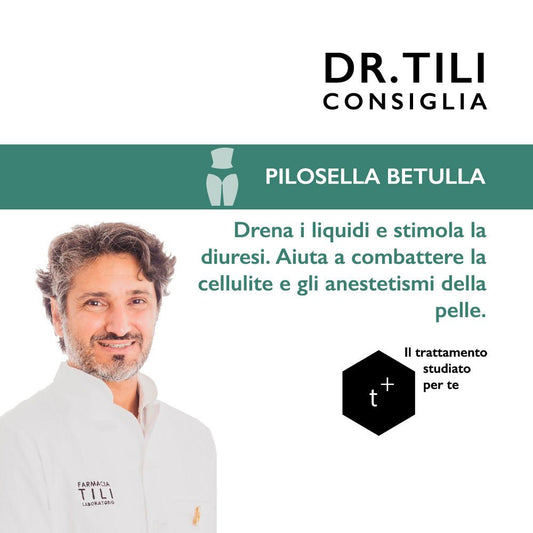
Pilosella Birch Natural Draining Concentrate 200ml Dr.Tili
Vendor:TILAB SrlRegular price €19,50Regular priceUnit price per€19,50Sale price €19,50 -
Green Coffee supplement 60 tablets Dr.Tili
Vendor:TILAB SrlRegular price €16,40Regular priceUnit price per€16,40Sale price €16,40 -
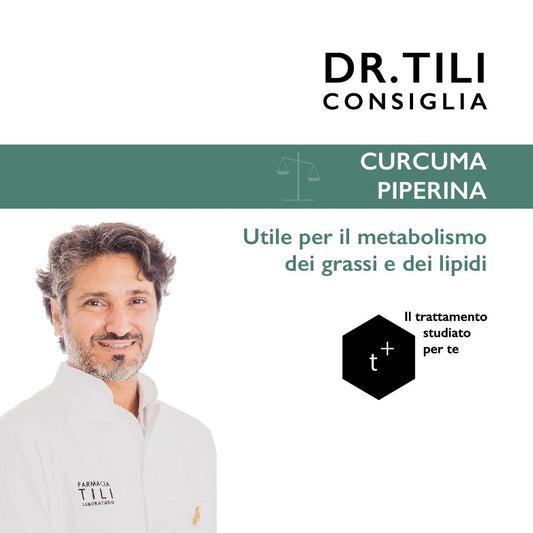
Turmeric and Piperine Strong 30 Capsules Dr.Tili
Vendor:TILAB SrlRegular price €24,00Regular priceUnit price per€24,00Sale price €24,00 -
Spirulina 180 Tablets Dr.Tili
Vendor:TILAB SrlRegular price €34,90Regular priceUnit price per€34,90Sale price €34,90 -
T - Immuno Mix Extracts Immune Defenses 60 Capsules Dr.Tili
Vendor:TILAB SrlRegular price €24,00Regular priceUnit price per€24,00Sale price €24,00 -
Dr. Tili Liposomal Vitamin D Supplement, Vegan, 2000 IU, 60 Tablets
Vendor:TILAB SrlRegular price €13,90Regular priceUnit price per€13,90Sale price €13,90 -
Vita D'oro Drops Vitamin D3 2000 IU 50ml Dr.Tili
Vendor:TILAB SrlRegular price €18,90Regular priceUnit price per€18,90Sale price €18,90Sold out -
Supplement Acerola Echinacea vitamin C immune defenses 60 tablets Dr.Tili
Vendor:TILAB SrlRegular price €13,10Regular priceUnit price per€13,10Sale price €13,10 -
Echinacea Papaya Acerola Immune Defense Syrup 200ml Dr.Tili
Vendor:TILAB SrlRegular price €13,10Regular priceUnit price per€13,10Sale price €13,10Sold out














-

ASSISTANCE - TELEPHONE ORDERS
-

SHIPPING
Shipping to Italy 24/48H
Delivery also on Saturday and Sunday
Free over €49.90
Shipping to Europe 24/72H
Free over €80 -

SAFETY
The security of your data is important to us!
We strictly comply with the European GDPR regarding
Privacy and processing of personal data
The payments you make on our site are 100% safe and guaranteed -

RETURNS
Fast returns via DIY portal and 14 days to change your mind.
Immediate and free replacements for incorrect or non-compliant products delivered.


